Oklahoma garden field guide
Plant Beans for Oklahoma Spring and Fall Harvests
Beans can be planted in a small row or grown upward on a support. The key is matching the variety and planting date to warm soil and the time available before cold weather.
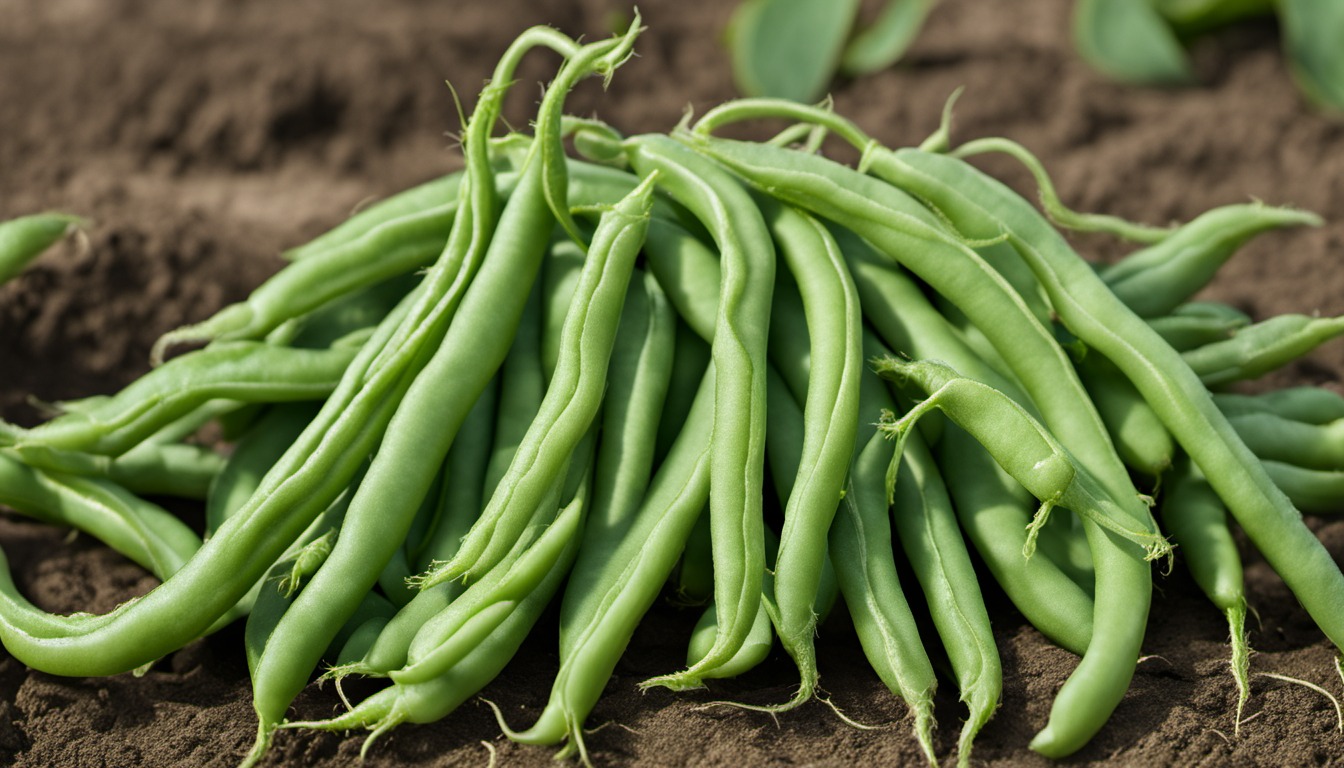
Choose bush or pole
Bush beans generally fit a short, compact planting, while pole beans need a secure trellis and room to climb. Compare the packet’s maturity and harvest period, and choose a variety suited to your space and intended use. Install supports before sowing pole beans.
Use the local planting window
Beans are tender and need suitable soil warmth. Consult OSU’s spring chart and your county conditions; the chart’s southeast-to-northwest range is not a guarantee for a particular bed. Avoid sowing into saturated, cold soil merely because a calendar date has arrived.
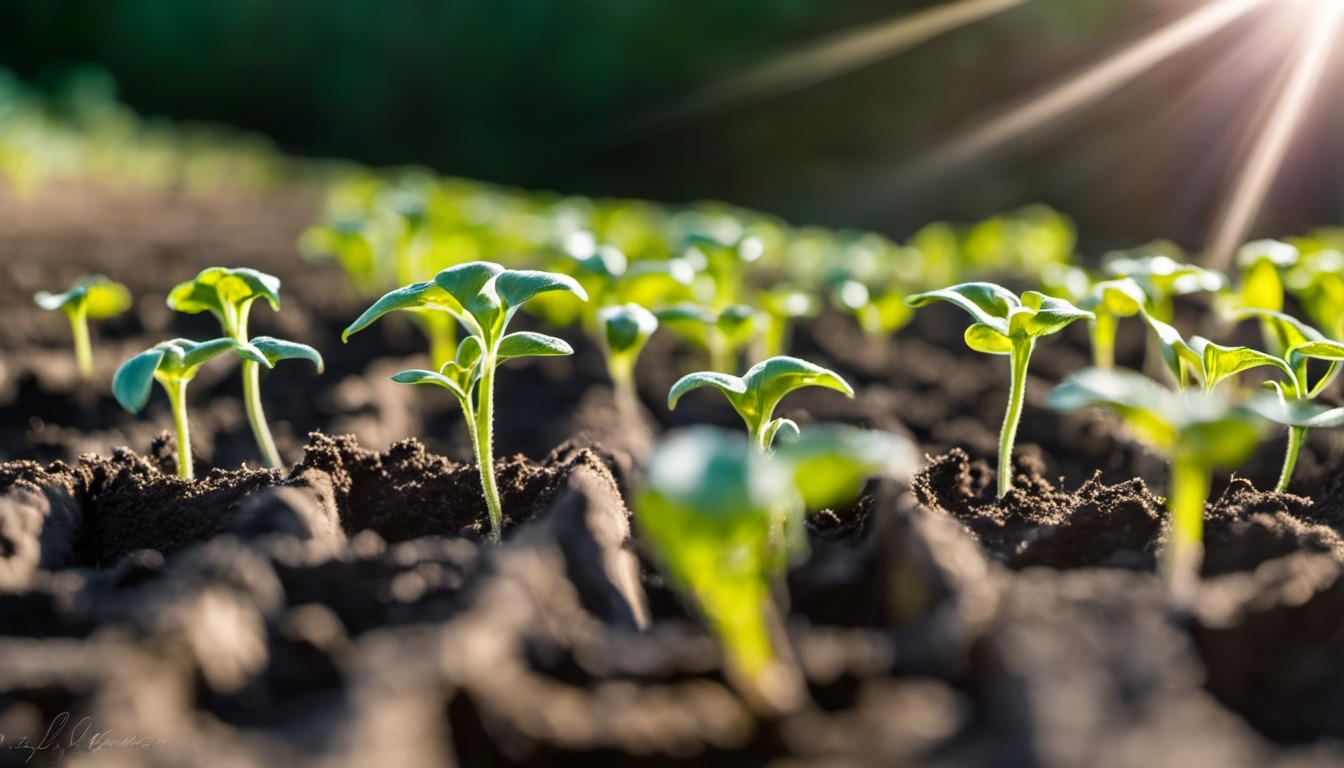
Make a succession plan
Instead of sowing the whole bed at once, divide seed into a few small plantings if the local window and packet permit. Label each row so you can compare emergence and harvest. Stop early enough that later sowings still have a reasonable chance to mature.
Plan a fall crop backward
OSU’s fall guide gives crop-specific planting and maturity ranges. Compare its bean window with your local first-frost estimate and the variety’s days to harvest, allowing for slower growth as days shorten. Beans are tender; a calculator result alone does not promise harvest before damaging cold.
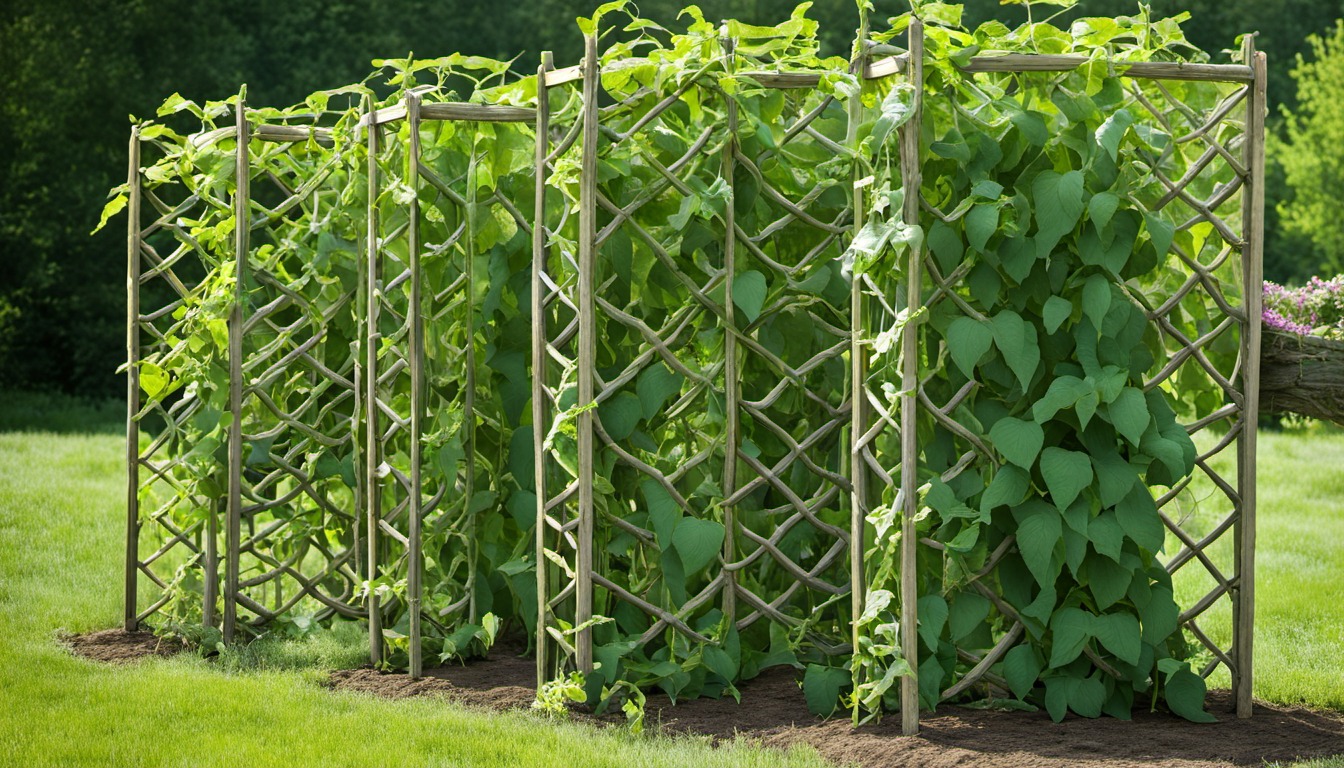
Harvest and reset
Keep soil evenly supplied with moisture during establishment and flowering without leaving roots saturated. Pick pods regularly at the stage the variety is intended for. When a planting finishes, remove spent material, inspect for pest damage and decide whether the remaining season fits another crop.
Example: split a seed packet
If the local spring window is long enough, divide a packet into two short rows planted at different times rather than sowing everything on one day. Label each row with its date and variety. Compare emergence, harvest and pest pressure; the result can help you decide whether the second sowing is worthwhile next year. Keep the later row inside the recommended window.
For a fall row, subtract the packet’s maturity estimate from a local first-frost average, then compare the result with OSU’s fall bean table. Add a margin for slower growth and recognize that a late heat wave can affect establishment. If the available date no longer fits, choose another crop instead of promising a harvest.
Avoid handling wet foliage unnecessarily, especially if disease is suspected, and keep the path open so you can harvest without crushing plants. For a trellis crop, check anchors after strong wind. Compare actual yields and planting dates rather than assuming more rows will necessarily provide a better spread of harvests.