Oklahoma garden field guide
Grow Broccoli and Cabbage in Oklahoma
Broccoli and cabbage need enough time to grow in favorable weather. In fall, that often means beginning the process during summer rather than waiting for cool weather to arrive.
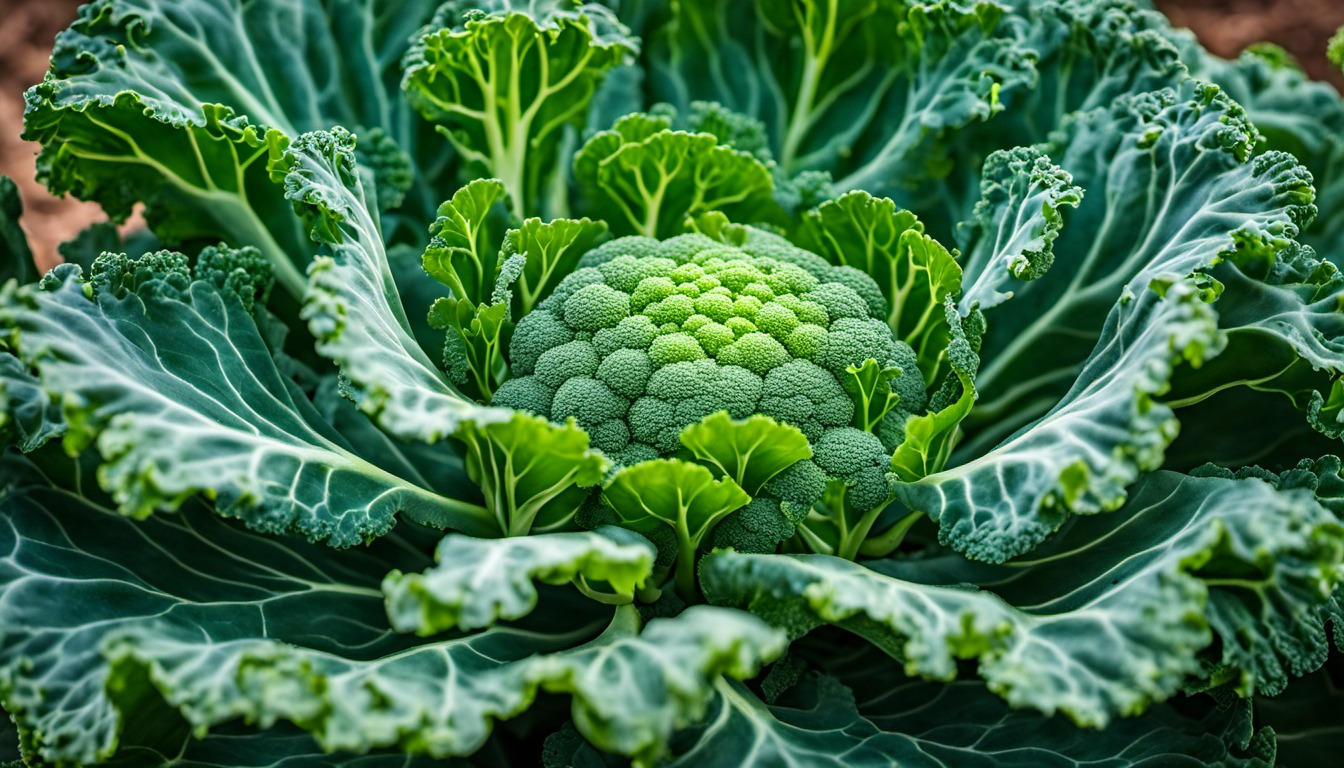
Choose the season and plant
OSU’s fall chart lists broccoli transplants July 15 to August 15 and cabbage transplants August 1 to 25. Its spring chart gives separate crop entries. These are planning windows, not guarantees for a particular location; compare your county conditions, variety maturity and available bed space.
Produce sturdy transplants
If starting indoors, work backward from the intended planting date and follow the packet. Provide good light and gradually harden plants before transplanting. A small, healthy transplant is easier to establish than a root-bound plant that has spent too long in a tray.
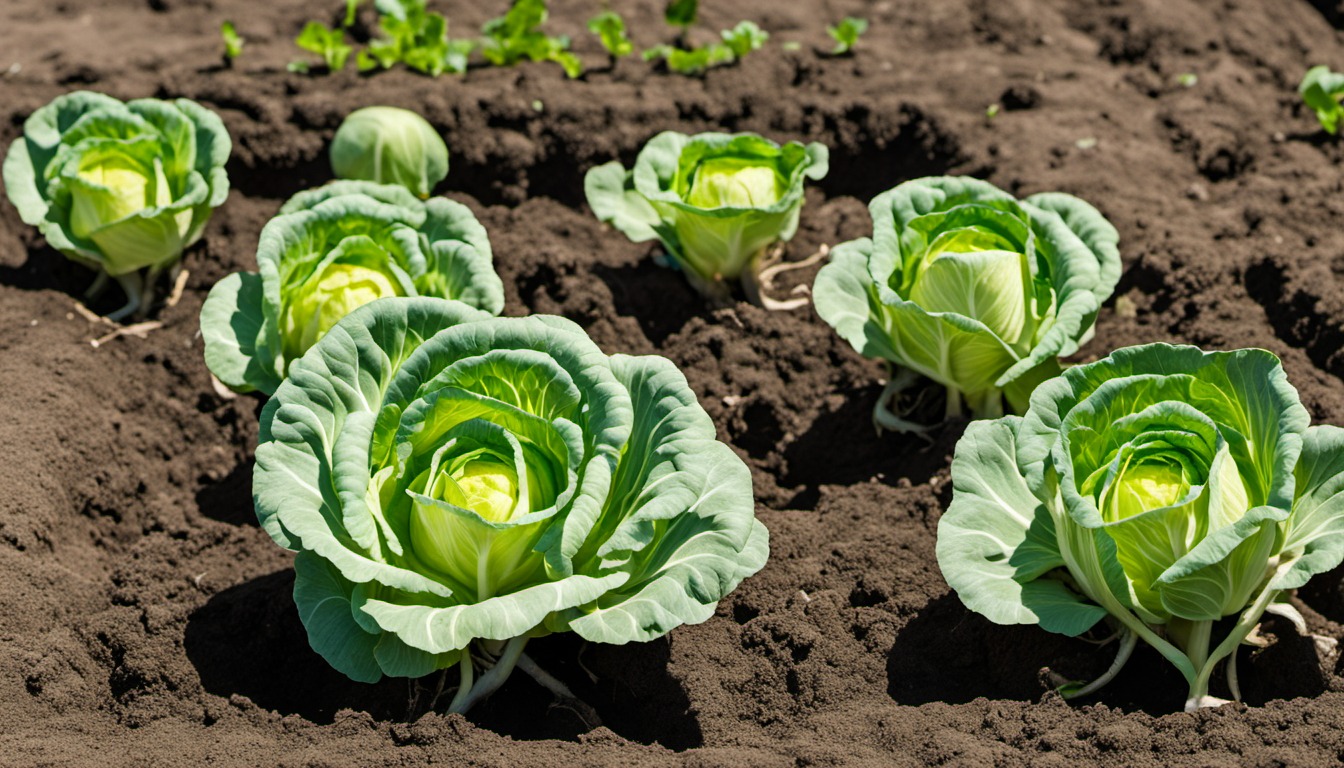
Get through the hot start
Water the root ball and surrounding soil, then check them separately while roots spread. Temporary shade can help new transplants during extreme sun; adjust it as conditions improve. Leave mature spacing and keep the bed accessible for inspection and harvest.
Watch leaves and growing points
Inspect leaf undersides for caterpillars, eggs and other pests. Identify the pest and the extent of damage before selecting a response. Physical removal or a properly supported insect barrier can be useful; use current OSU guidance and product labels if a pesticide is needed.
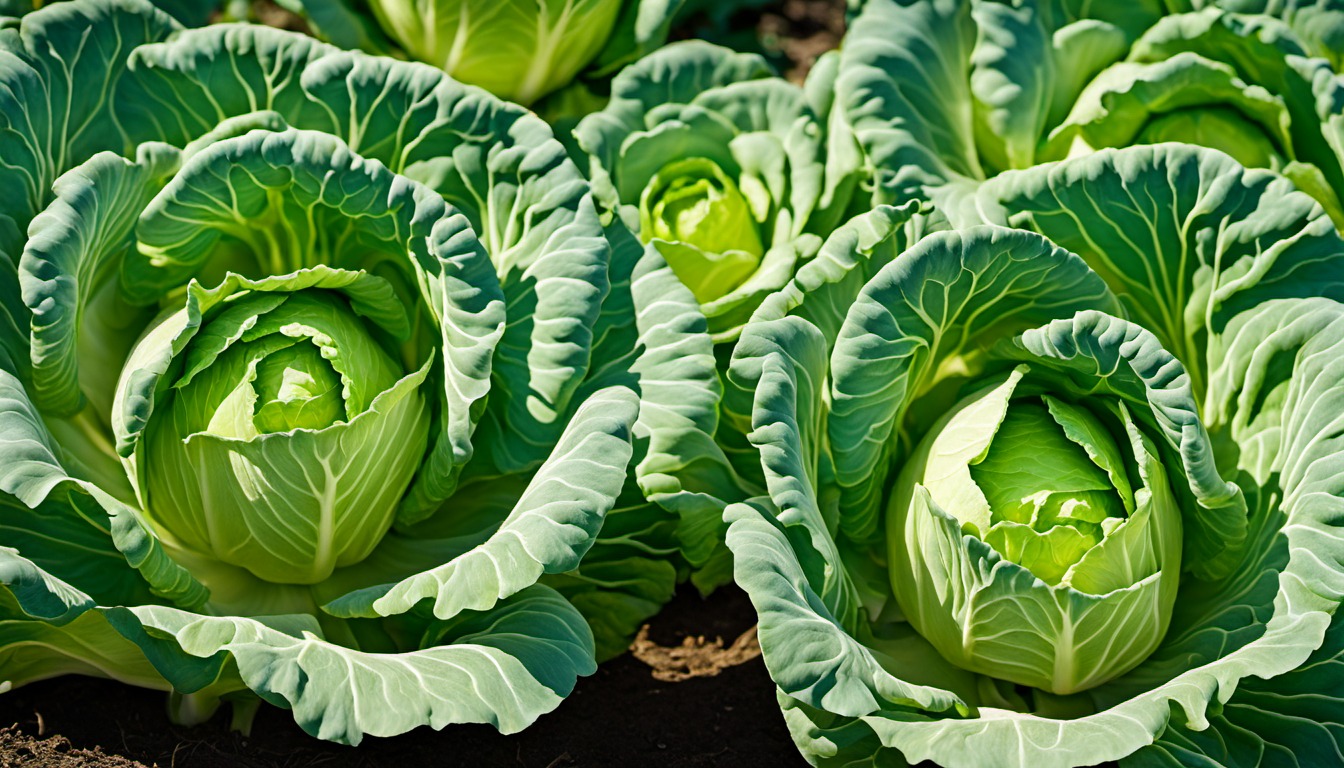
Harvest at the right stage
Cut broccoli while the head is compact and before flowers open; some varieties can produce side shoots afterward. Harvest cabbage when the head reaches a firm, useful size. Cool-season tolerance varies, so use the forecast and crop guidance rather than assuming every freeze is harmless.
Example: start a fall transplant
Choose the transplant window from OSU’s fall chart and count backward using the packet’s indoor growing period. A gardener with a bed still occupied by summer crops can raise a few starts separately, but should schedule bed turnover before the plants become root-bound. If the bed opens too late for the local window, a quicker crop may be a better use of the space.
After planting in late-summer heat, feel the original root ball and the surrounding soil separately. A root ball can dry while the surrounding bed remains moist. Use temporary shade only as needed, then adjust it to provide adequate light. Inspect undersides of leaves regularly and identify caterpillars before choosing a control.
If using an insect barrier, set it before pests reach the transplants and inspect underneath periodically. A barrier with an opening can trap a pest inside, and tight fabric can damage growing foliage. Maintain enough space around mature heads to water, inspect and harvest without breaking leaves.