Louisiana garden field guide
Grow Tomatoes in a Louisiana Home Garden
A Louisiana tomato plan starts before the first red fruit: choose a suitable variety, a workable bed and a way to reach the plant for support and harvest.
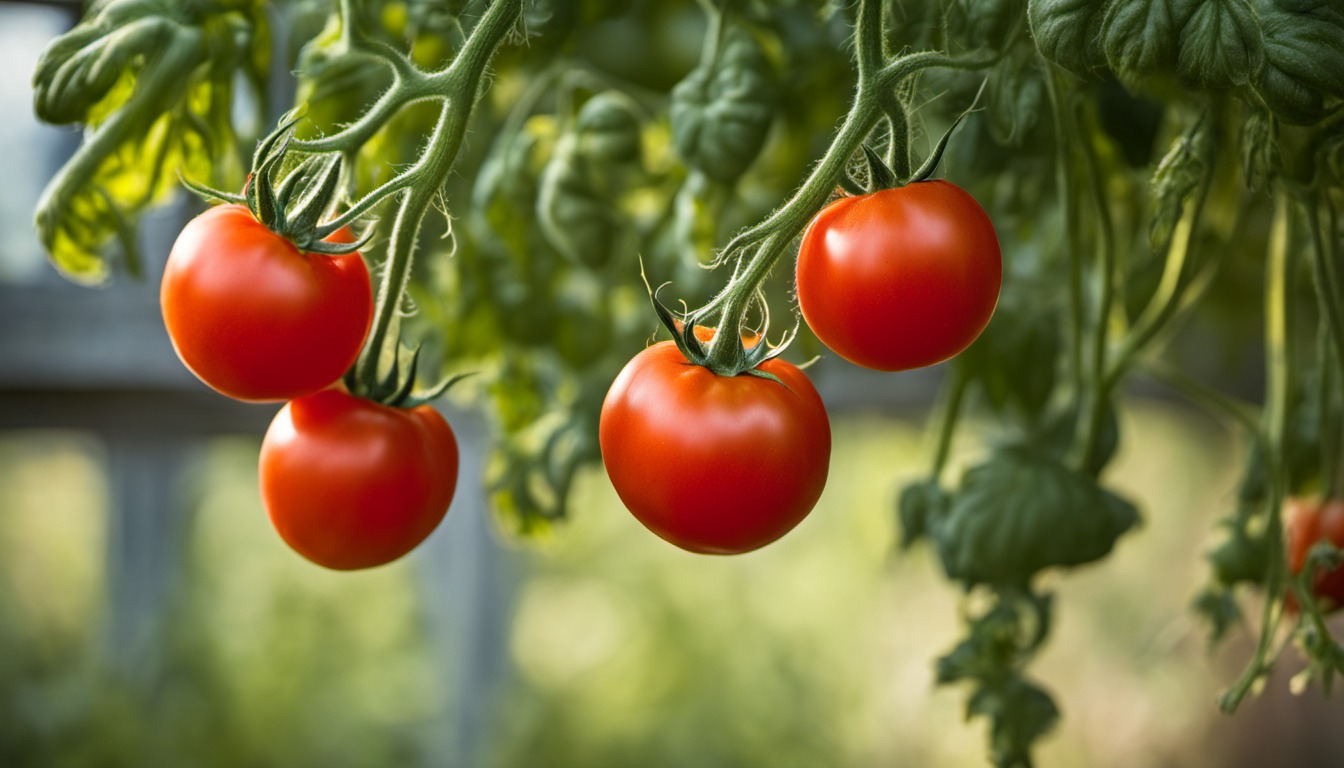
Choose the local window
Use LSU’s planting guide for your north or south region and transplant method. Central Louisiana spring gardeners start with the north dates in that guide. Tomatoes are frost-sensitive, so check the current forecast and soil conditions; a general last-frost date is not a guarantee for a particular bed.
Select a practical variety
Read the plant label for mature habit, disease resistance and days to maturity. A compact plant and a long vine require different supports and space. LSU’s spring advice notes that later planting can push fruiting into hotter weather; compare the variety’s needs with the available local season.
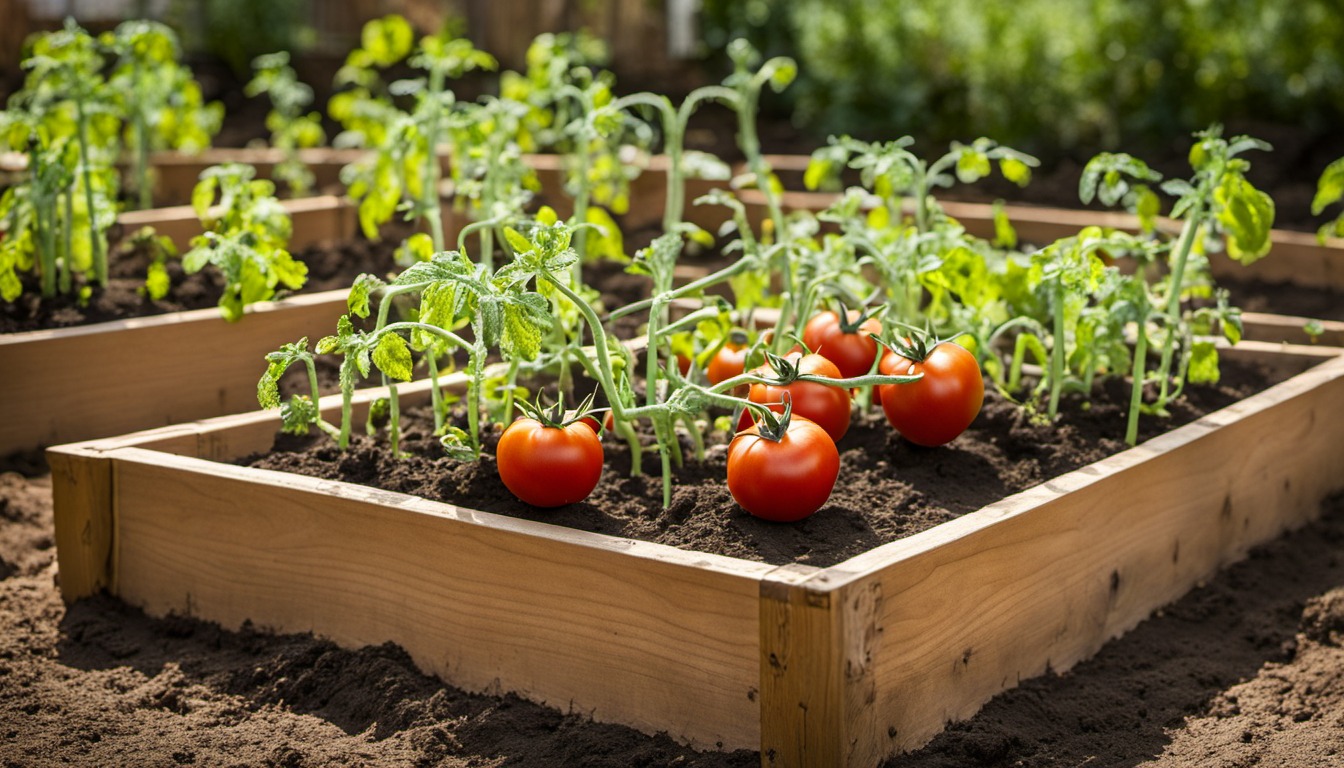
Prepare support and drainage
Choose a site with suitable light and drainage. Install a stake or cage before roots spread, and tie growth loosely without constricting stems. Avoid working saturated soil. A soil test can guide nutrients; more fertilizer is not an automatic remedy for every yellow leaf or blossom that fails to set fruit.
Keep moisture consistent
Check the root zone and the original transplant root ball. Mulch established plants to moderate moisture swings and reduce soil splash, leaving space at the stem. A wilting plant can have roots in wet soil as well as dry soil; inspect before increasing irrigation for the whole bed.
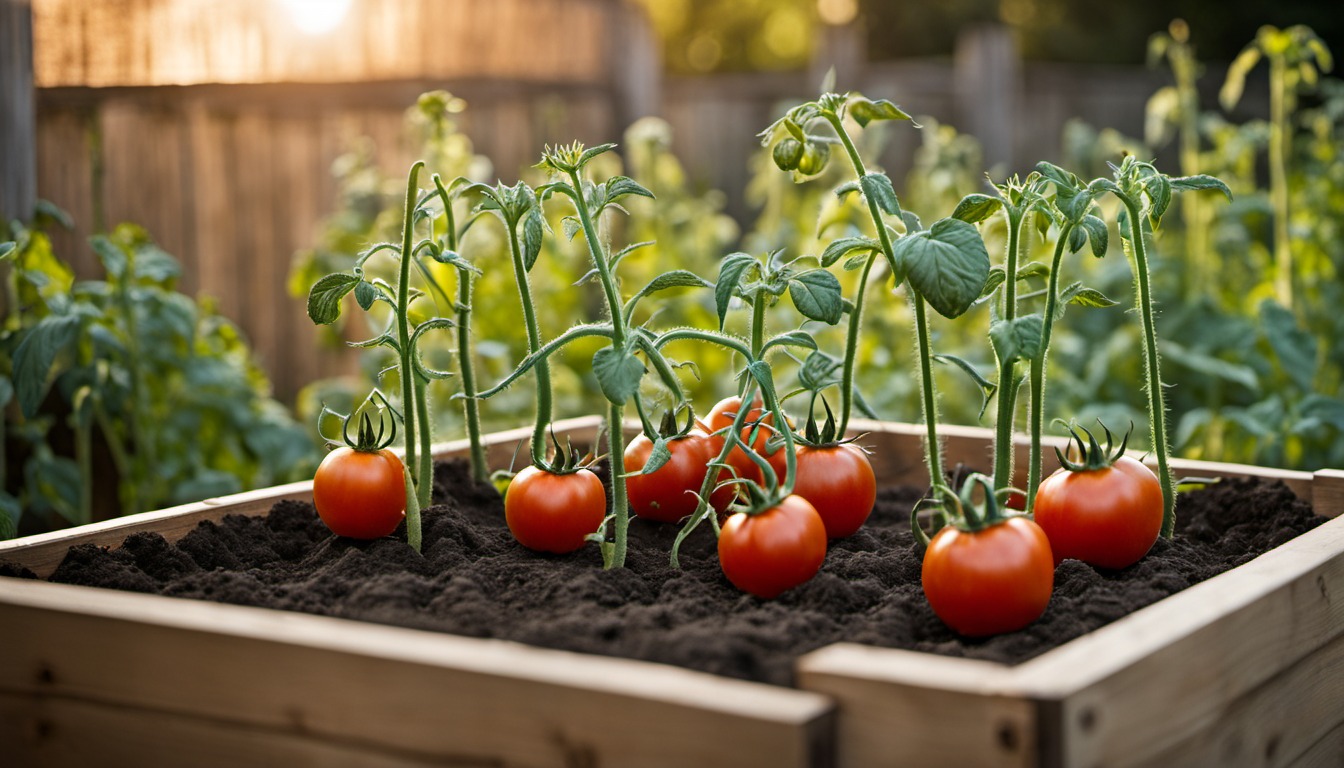
Example: a small raised bed
A gardener reserves room for one supported tomato and a path to reach it. After a week of heavy rain, the soil is still wet beneath the mulch even though the afternoon leaves droop. They inspect drainage and the root ball before adding water, then note whether the plant recovers as conditions change.
Harvest and troubleshoot
Pick fruit at the variety’s intended stage and handle branches gently. LSU’s disease guide lists multiple possible tomato problems, so compare symptoms and seek identification before choosing a control. If floodwater directly touches fruit, LSU recommends discarding it rather than relying on washing or cooking.
Diagnose a change in fruit set
If a tomato flowers but sets little fruit, note the weather, plant condition and moisture before adding fertilizer. Heat, cold, plant stress and variety can all affect the result. Check that the root ball is not dry inside a wet bed and that supports are not constricting a stem. Compare the local planting window and maturity estimate with the period of highest heat. If symptoms include unusual spots or wilting, consult LSU’s disease information or parish Extension for identification; a single symptom does not establish a cause.