Louisiana garden field guide
Grow Peppers in a Louisiana Garden
Peppers can fit a bed or a roomy container, but they need a suitable local season and steady attention during establishment. Plan the mature plant, not just the small transplant.
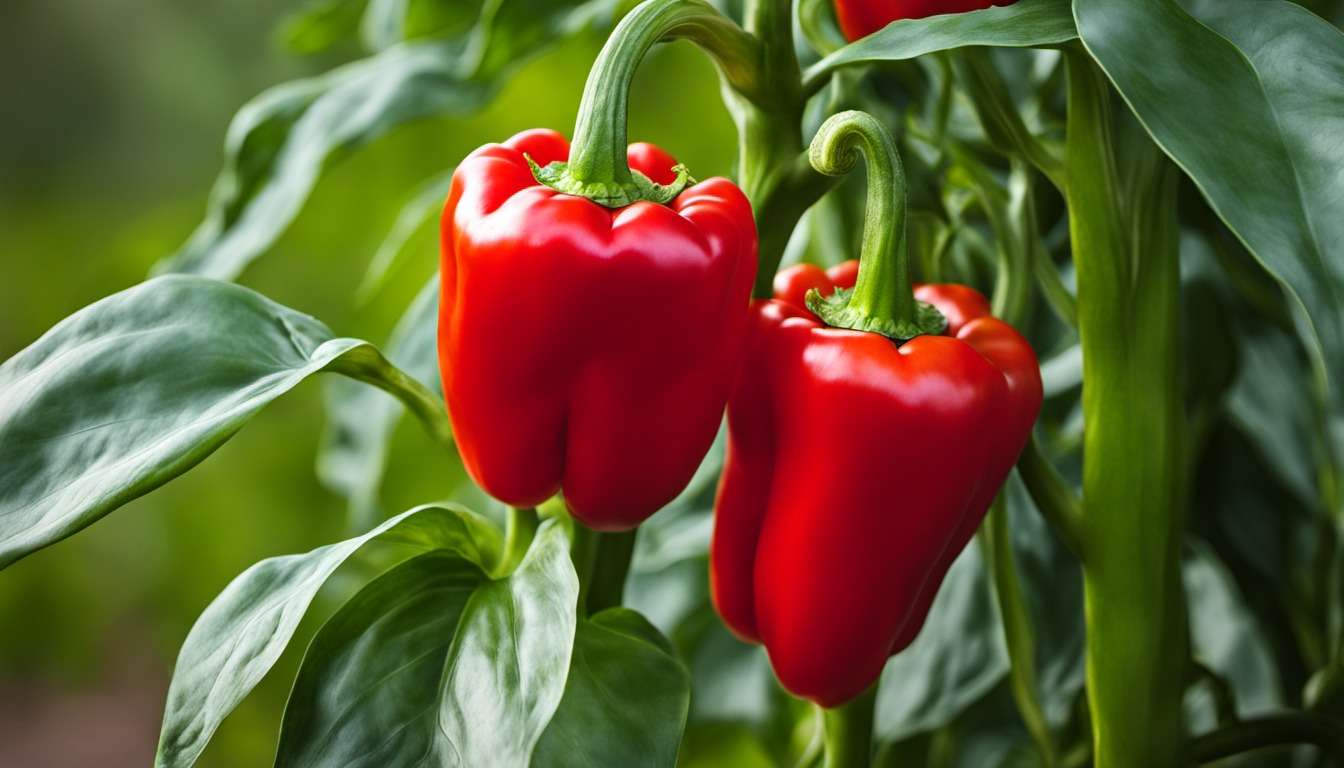
Select a variety and site
Check whether the variety is sweet or hot, its mature size and days to harvest. Choose suitable light and a well-drained location, and allow room for air circulation and picking. A patio container needs drainage holes and enough volume for the mature roots; stabilize it before strong wind arrives.
Time the transplant
Use the LSU north or south planting column and current parish forecast. Central Louisiana spring guidance starts with north dates. Peppers are tender, so do not set them into cold, wet ground merely because the average last-frost date has passed; check both weather and soil condition.
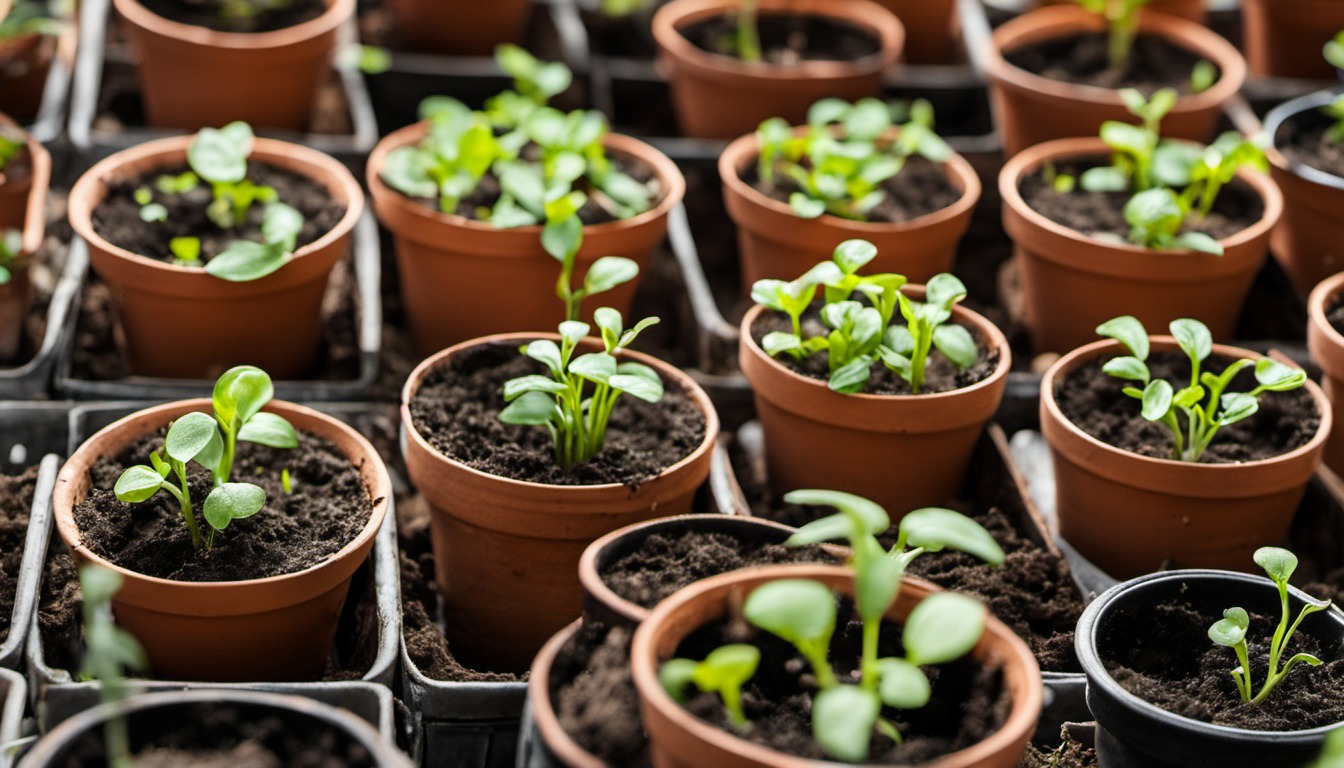
Support and water
Install a small support early if the variety needs it and tie loosely. Check the transplant root ball and surrounding soil separately. Mulch established plants without piling material against the stem, and adjust watering to the bed or pot rather than applying a fixed schedule after every rain.
Watch flowers and fruit
A dropped flower can reflect temperature, moisture, plant establishment or another stress. Avoid diagnosing a nutrient deficiency from that symptom alone. LSU’s disease guidance lists several pepper problems; inspect the entire plant, note changes and ask the parish office for help when the cause is uncertain.
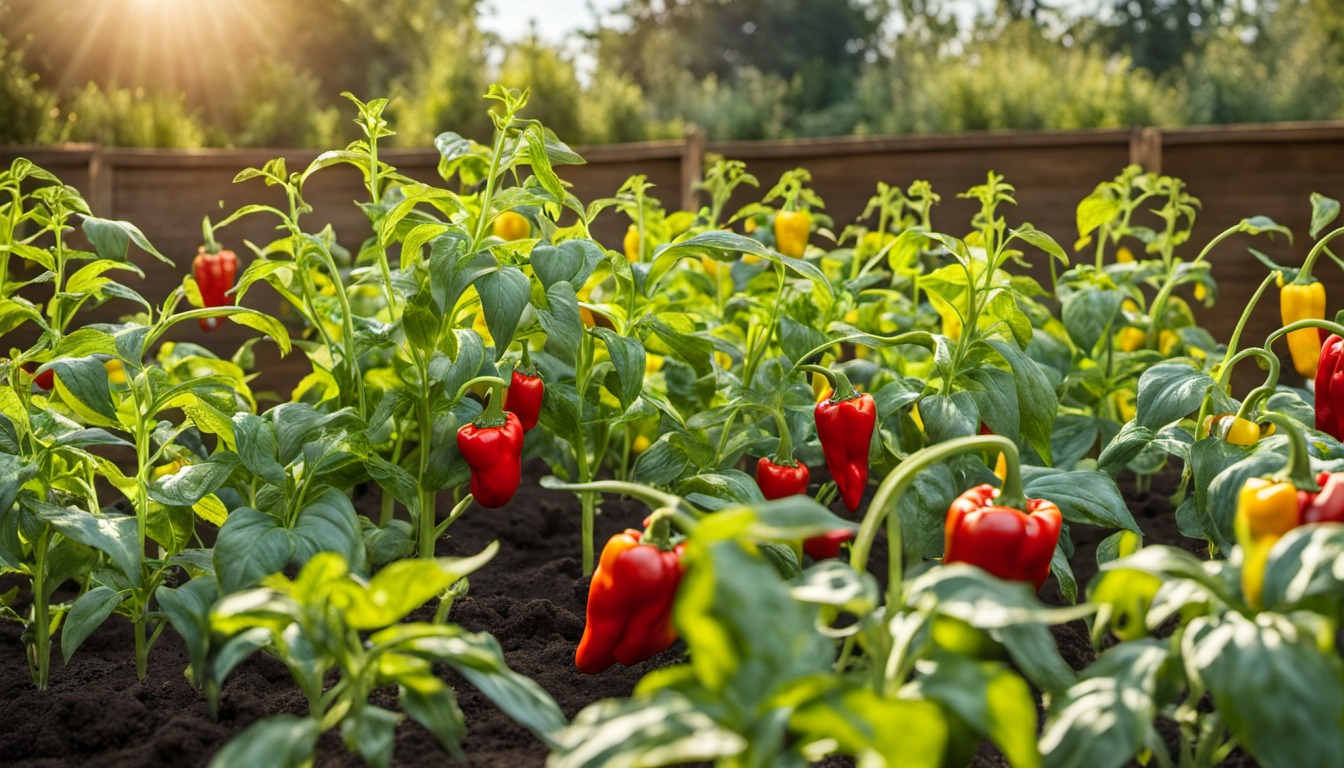
Example: one patio pepper
A gardener chooses a compact pepper in a large draining pot. The pot under an overhang misses a shower that wets the rest of the patio, so the gardener checks the mix below the surface instead of assuming it received the same water. A simple stake keeps branches accessible without tight ties.
Harvest with care
Pick peppers at the stage and color intended for the variety, using a cutter if pulling would damage brittle branches. Keep notes on transplant date, heat exposure and production. If contaminated floodwater directly touches produce, follow LSU guidance to discard it rather than relying on a rinse.
Plan a supported pot
Before buying a pepper, compare the mature height on the label with the pot’s width, depth and stability. Place a support while the plant is small so later insertion does not injure a crowded root ball. After heavy rain, inspect drainage and soil moisture; a covered patio pot may have received less water than an exposed one. If flowers drop, record the recent weather and the plant’s condition before applying fertilizer. Harvest with a cutter when pulling would bend a branch, and keep the variety’s intended ripe color in the record.