Louisiana garden field guide
Water a Louisiana Vegetable Garden Wisely
Louisiana gardens can move from rain-saturated soil to hot, drying conditions. A useful watering decision starts below the surface and includes the crop’s size and current weather.
Inspect before watering
Feel soil at the relevant root depth in more than one part of a bed. A light shower may wet leaves without reaching deeper roots; repeated rain can leave a bed saturated. A recent transplant’s root ball can be dry while nearby soil is wet, so inspect both before deciding what to do.
Understand the seedling stage
A newly sown shallow row needs moisture near the seed and a gentle application that does not wash it out. As roots develop, check deeper rather than misting the surface indefinitely. Different crops and soil textures change the interval; avoid promising that one schedule is right for every parish and season.
Check the delivery system
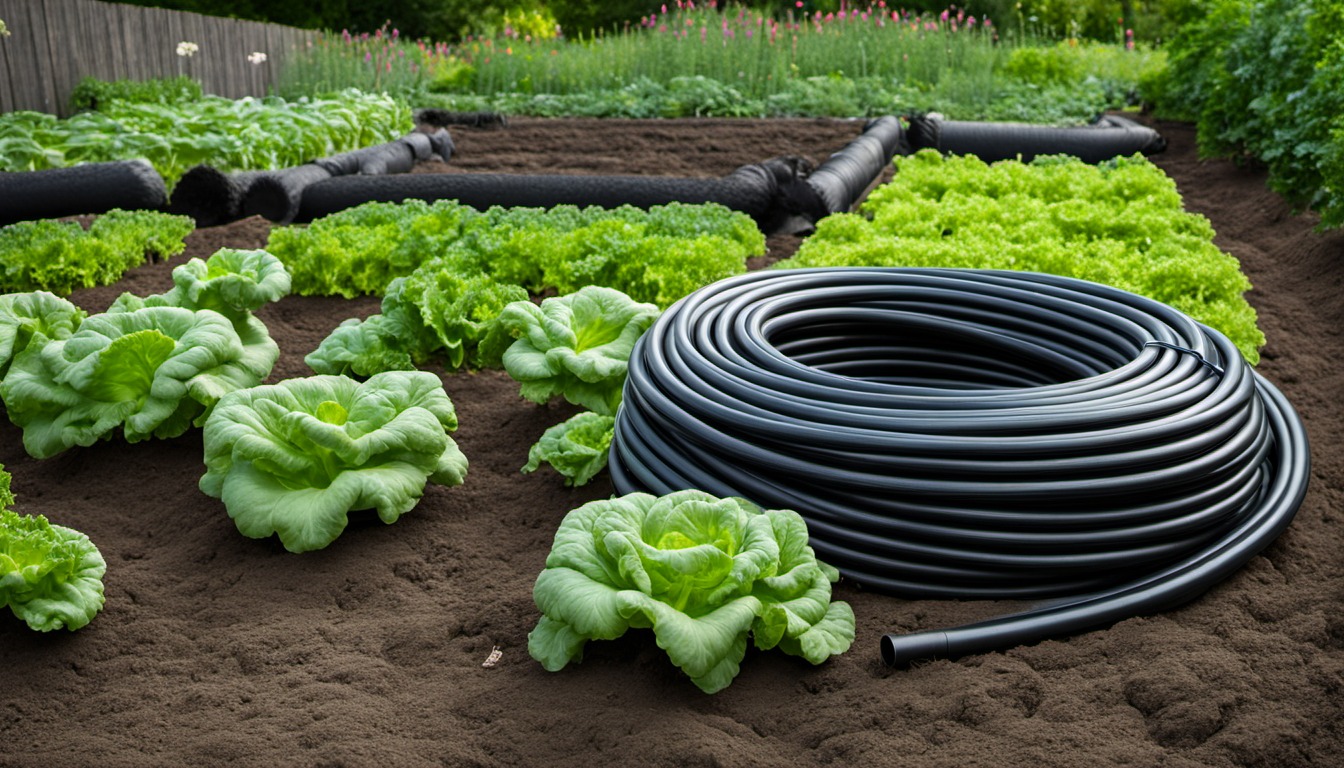
Run drip irrigation briefly and observe whether water reaches each plant. A kink, misplaced emitter or clogged line can make one end dry while the other is wet. Correct the local problem before increasing every zone’s run time, and split applications if water runs off rather than soaking into the bed.
Estimate a volume
The water-budget tool converts a chosen shortfall in inches over a measured area into gallons. For a 48-square-foot bed, a three-quarter-inch shortfall is about 22.4 gallons before losses. This is arithmetic, not a prescription: effective rain, soil, crop, heat and local restrictions determine actual need.
Example: a wet and dry container
Two pots stand on the same patio, one under an overhang and one in the open. After a storm, check the mix below the surface of both. The sheltered pot may need water while the exposed pot needs time to drain. Do not assume the same rainfall reached each root zone.
Protect soil and leaves
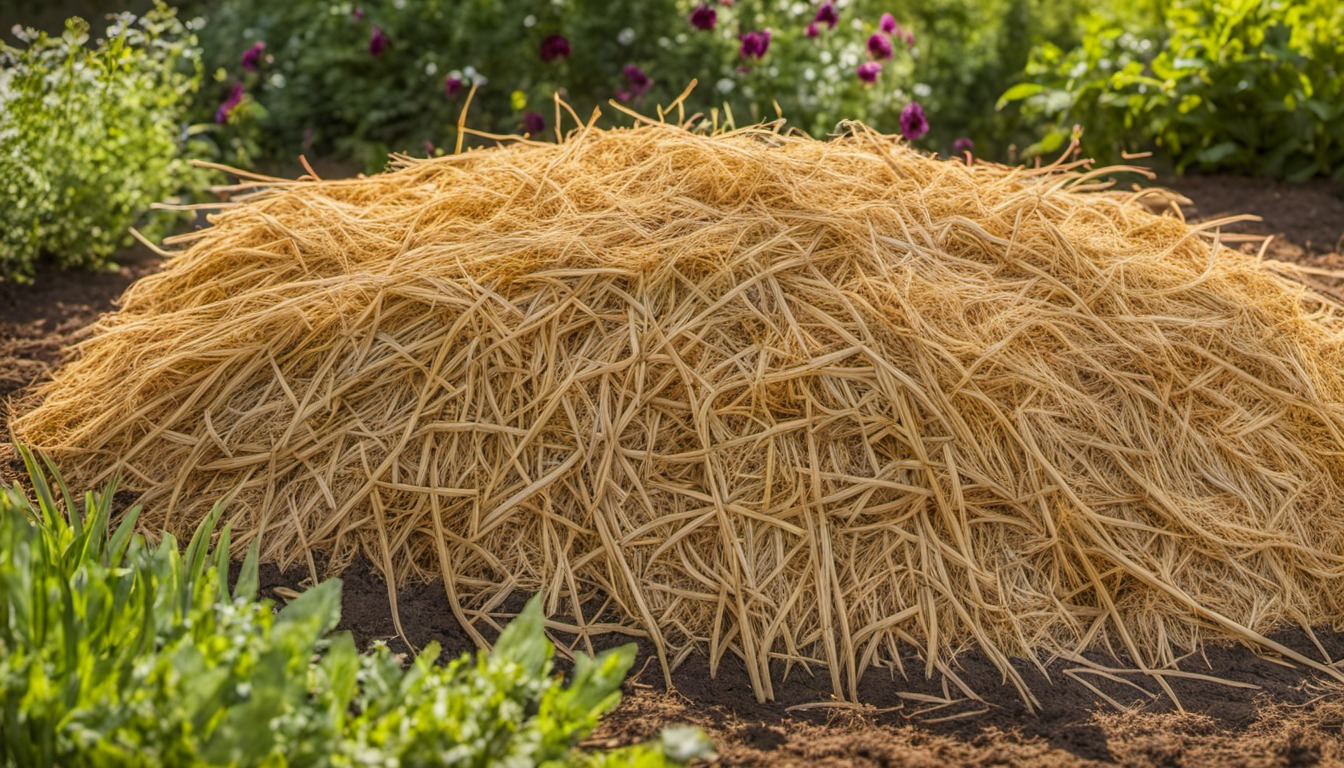
A suitable mulch can moderate moisture fluctuations and reduce soil splash. Leave space at stems, monitor under the mulch and allow air movement between plants. Follow current parish or municipal watering rules; if an irrigation change does not help, investigate roots, pests or disease rather than repeatedly adding water.
Calibrate the estimate
The calculator converts a chosen depth of water over an area to volume; it cannot measure how evenly a particular system delivers it. Run the system briefly and inspect several locations, including the end of the line. If you use sprinklers, small straight-sided containers can help compare the pattern, while soil checks reveal whether water reached roots. Account for useful rainfall and local restrictions. A blocked emitter or saturated low spot requires a local correction, not automatically a longer run for every plant. Record the change and recheck after watering.