Louisiana garden field guide
Identify Pests in a Louisiana Vegetable Garden
A hole in a leaf is a clue, not a diagnosis. Start with observation and identify the cause before deciding whether intervention is needed.
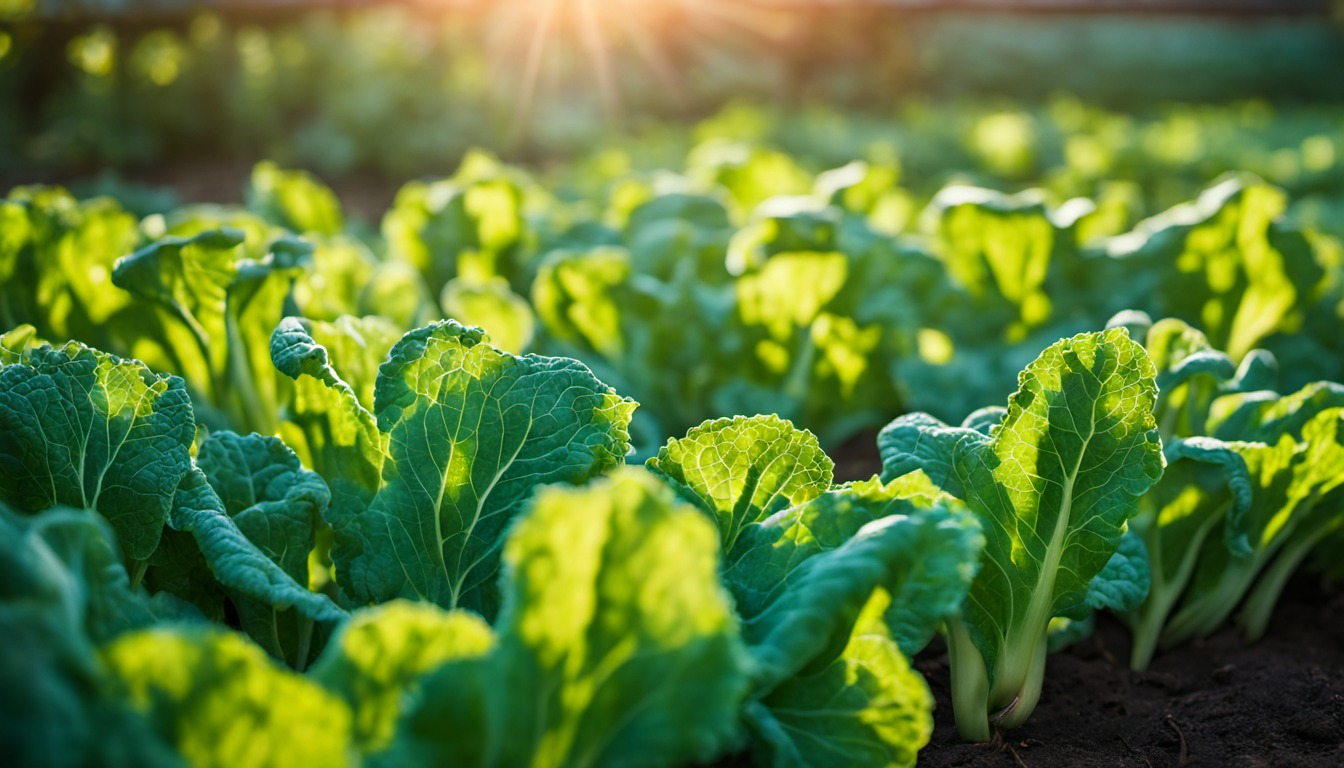
Inspect the whole plant
Look at new and old leaves, undersides, stems, flowers and nearby plants. Note whether damage is spreading and whether an insect is actually present. Water stress, disease and physical injury can resemble pest damage; photograph the pattern for a parish Extension educator if identification is uncertain.
Protect beneficial visitors
Not every insect on a plant is harmful. Predators and pollinators are part of the garden, and many squash or cucumber varieties need pollen transfer for normal fruit development. Avoid applying a broad treatment simply because insects are visible, especially around open flowers.
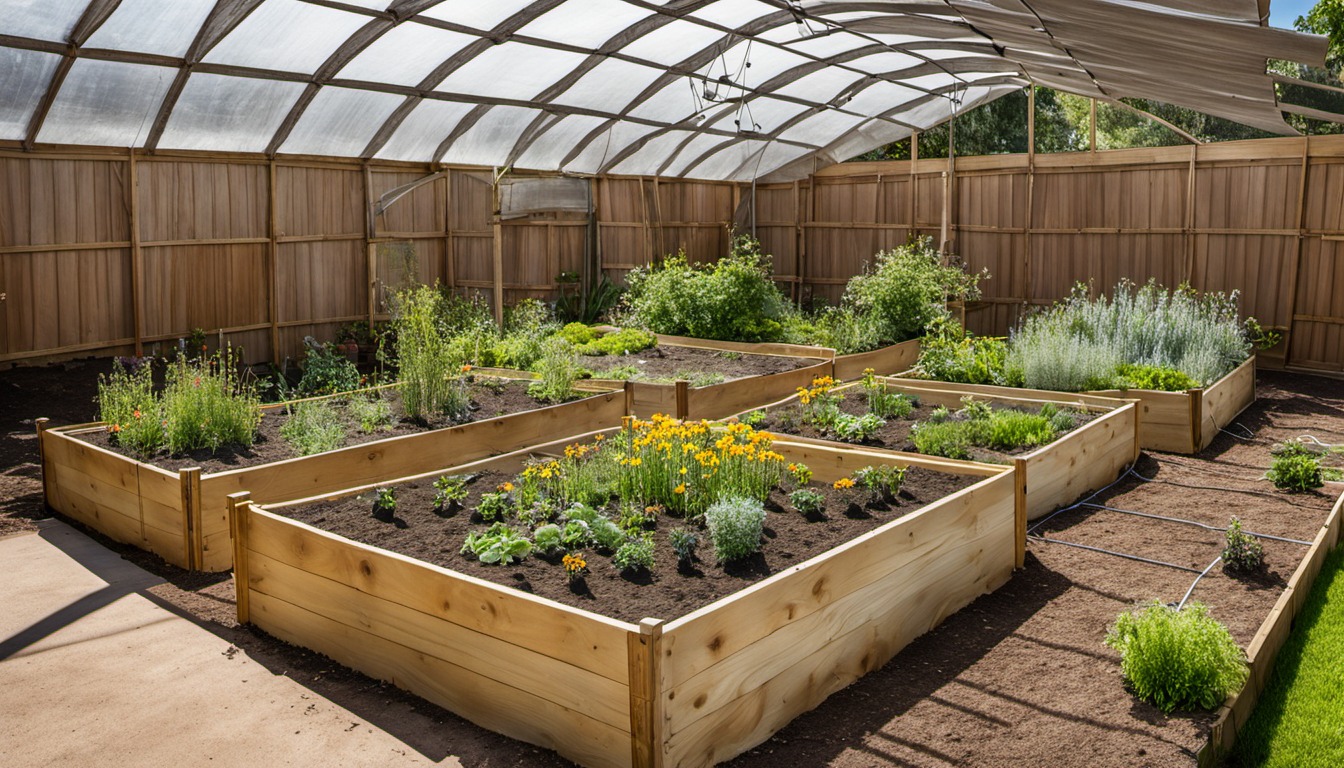
Start with practical controls
Remove a small number of pests by hand when appropriate, keep weeds manageable and use physical barriers suited to the crop. A cover must be secured and monitored, and may need removal when pollination is required. Remove damaged material according to local guidance and avoid crowding that makes inspection difficult.
Identify disease separately
LSU lists different disease problems for tomatoes, cucurbits, greens and other vegetables. Similar spots can have different causes and treatments. Improve the growing conditions you can observe, such as drainage and spacing, and ask for diagnosis before repeating an ineffective remedy.
Example: holes on squash
A gardener finds a few holes and checks the leaf undersides and new growth over several days. If damage remains minor, monitoring or a small physical intervention may be enough. If it increases, the gardener records the plant, pest and pattern before asking the parish office about crop-specific options.
Use labels when necessary
If a pesticide is appropriate, choose a product currently labeled for the specific crop and pest and follow all directions, including protective equipment and harvest intervals. Registrations and labels change. Keep a record of the action and plant response, and avoid treating flowers when pollinators are active.
Record evidence before choosing a control
A useful scouting note has the plant, affected part, date, weather, visible pest or symptom, and whether damage is increasing. Photograph both the whole plant and a close view for a parish Extension educator when needed. Compare several plants and check watering and drainage before assuming insects are responsible. If a treatment is selected, verify the current label for the crop and pest, follow protective and harvest instructions, and record the result. Avoid treating open flowers while pollinators are active. A control that failed is a reason to revisit the diagnosis, not automatically repeat it. Keep the label and harvest interval accessible to everyone who tends the bed.