Louisiana garden field guide
Grow Sweet Potatoes in Louisiana
Sweet potatoes grow from slips rather than the seed potatoes used for Irish potatoes. Give their vines a warm, well-drained place and enough time before the season changes.
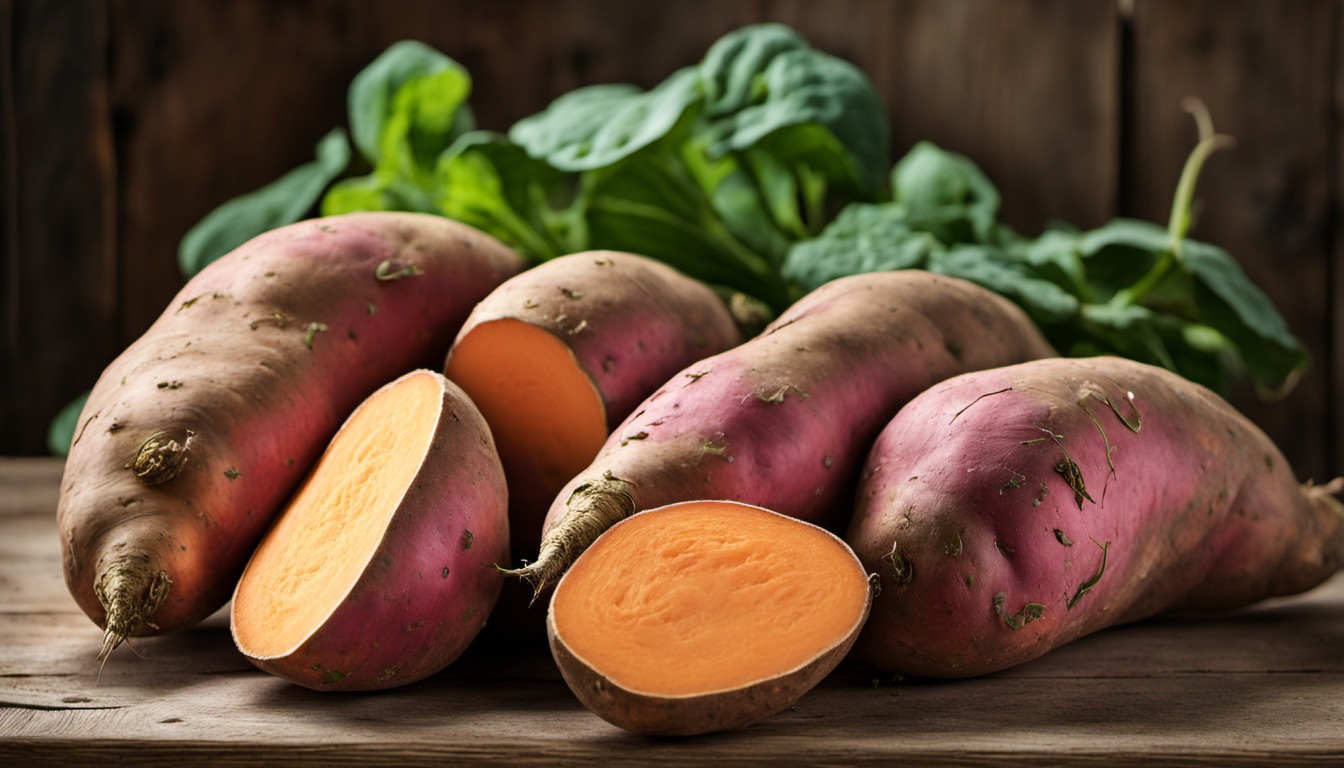
Choose the material
Obtain healthy slips from a reputable source and select a variety suited to your parish. Read the expected maturity and mature spread before planting. Sweet potatoes and Irish potatoes are different crops; a planting method or storage practice for one should not automatically be applied to the other.
Match the local season
Use LSU’s regional guide for the crop and planting method, then check soil warmth and the forecast. The spring horticulture guidance places sweet potatoes among warm-season options. A cold, wet bed can delay establishment, so wait for workable conditions instead of planting because a calendar month has started.
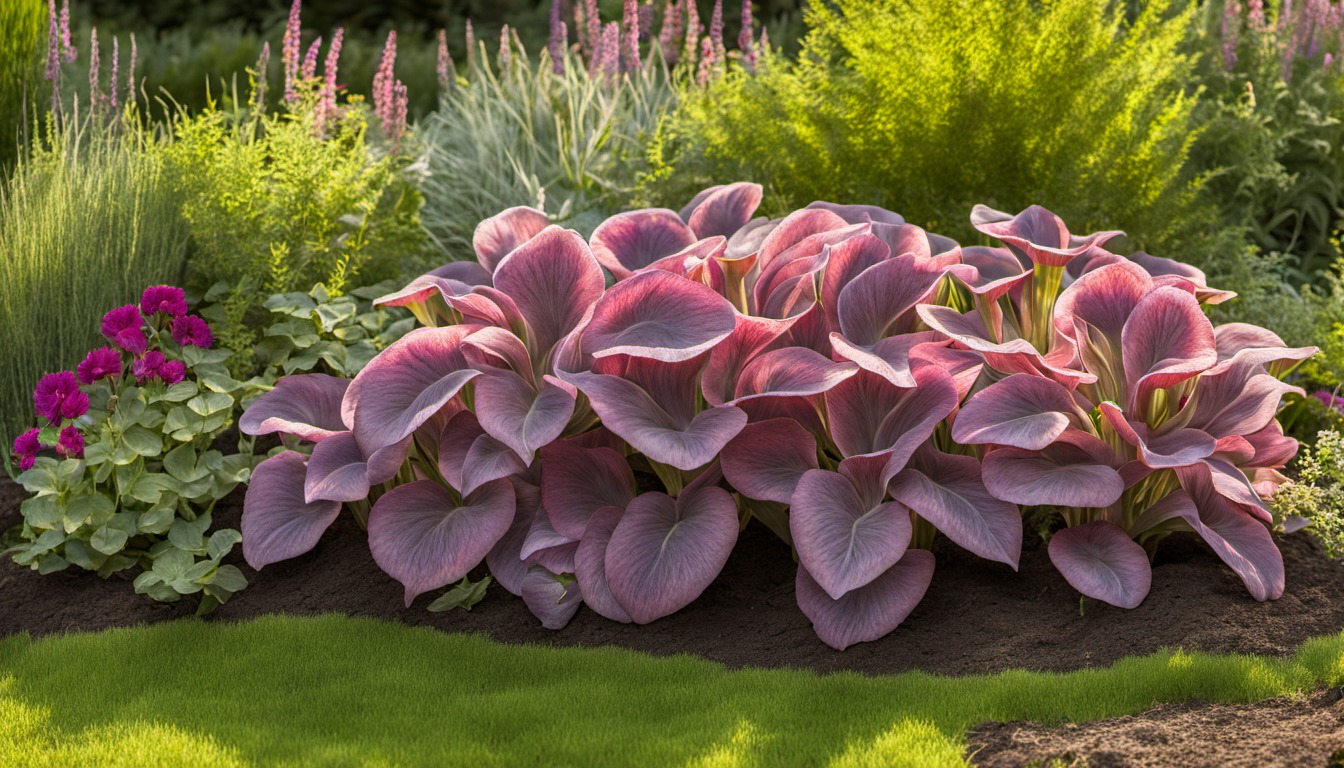
Prepare room for vines
Choose a well-drained site and leave access paths outside the expected vine area. A raised row or bed may improve access where appropriate, but drainage depends on the whole site. Test soil and follow local nutrient guidance rather than using excess fertilizer in the hope of forcing more roots.
Establish slips
Set healthy slips according to the source and local directions, then water them in. Check the immediate root area during establishment without keeping soil saturated. Mulch and irrigation should not bury tender growth. Once vines spread, keep the path open so inspection and harvest do not require stepping through the bed.
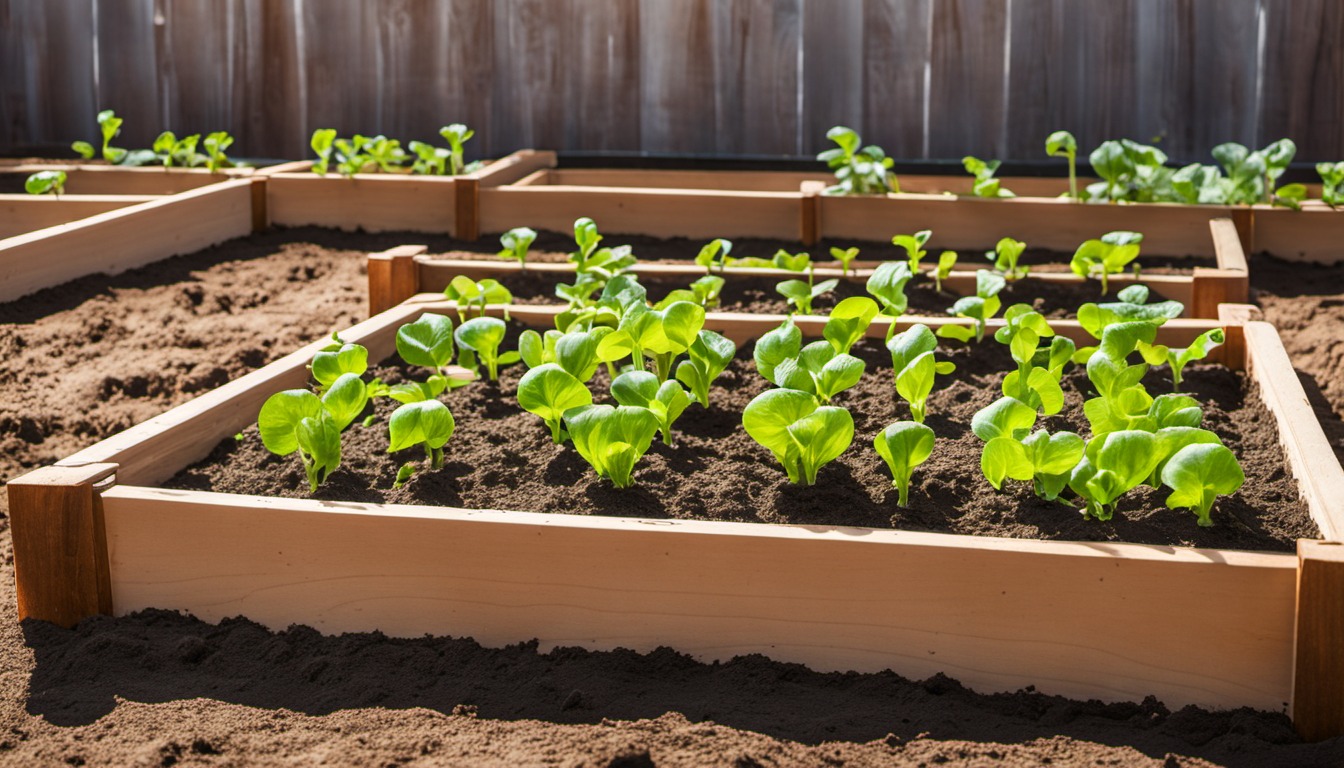
Example: a bed after greens
A gardener clears a cool-season bed, waits until the soil crumbles and checks that the local sweet potato window is open. They reserve the entire mature vine footprint rather than planting slips between crowded peppers. If the previous crop finishes too late, they compare the remaining season with the variety’s maturity.
Harvest carefully
Use the variety and local guidance to judge timing. Dig carefully to avoid cutting roots and handle them gently; curing and storage depend on conditions and the crop’s quality. Produce that directly contacted floodwater should be discarded under LSU’s food-safety guidance rather than saved by washing.
Reserve the next bed now
Sweet potato vines can occupy a bed and its edges for a long warm-season period. Before planting, sketch the expected spread and decide where the following cool-season crop could go if harvest is delayed. Keep a path outside the vines and avoid excessive disturbance when checking the bed. At harvest, handle roots gently and follow current variety and local curing advice. Record planting and harvest dates, then compare them with the next crop’s actual sowing window. This makes a future rotation a scheduling decision rather than a guess.