Louisiana garden field guide
A Louisiana Garden Calendar Built Around Local Seasons
A useful Louisiana garden calendar connects the crop, your location and the bed available for it. A date on a chart is a starting point; rain, soil conditions and this year’s weather decide when the work can happen.
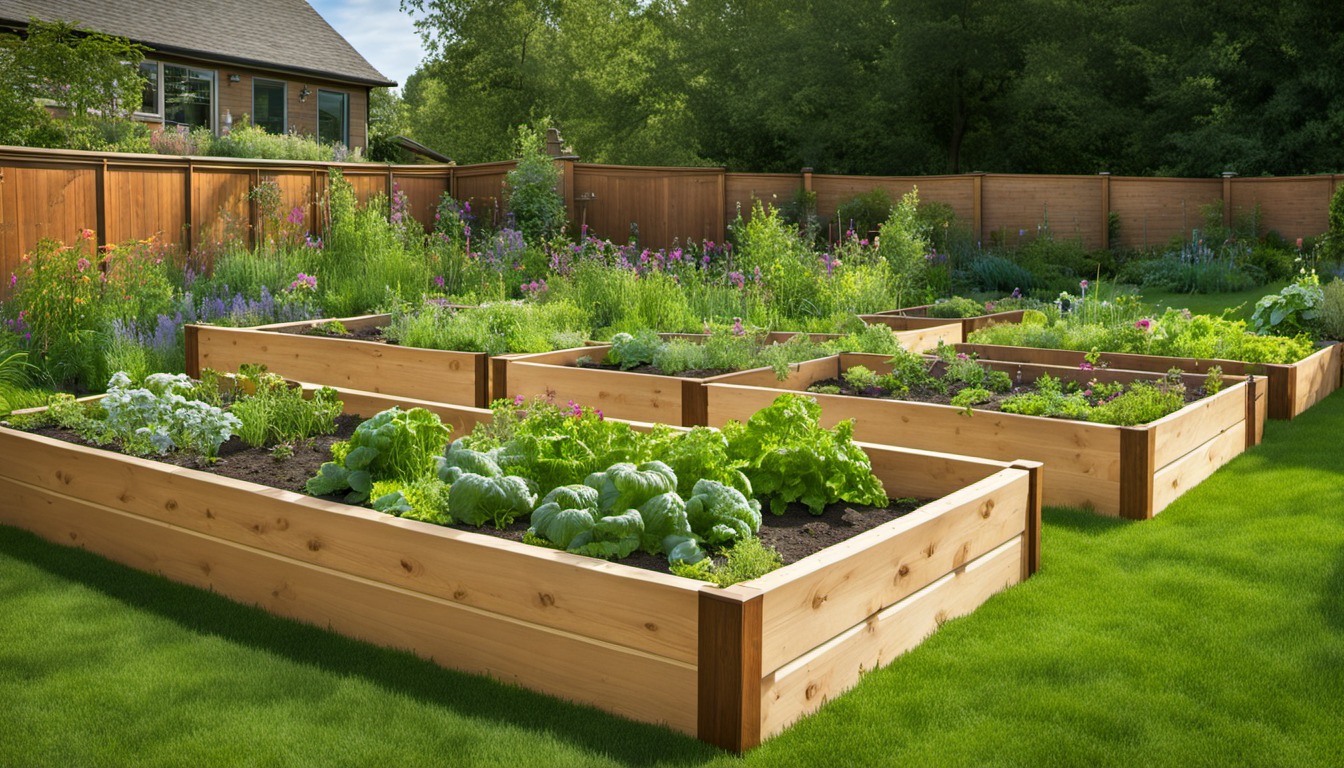
Choose the right column
LSU’s vegetable guide lists north and south Louisiana planting windows for individual crops. Its advice for central Louisiana is to use north dates for spring vegetables and either north or south dates for fall crops. Coastal sites have additional seasonal possibilities; check your parish Extension office and the actual forecast before using a statewide shortcut.
Separate climate from a deadline
The USDA hardiness zone describes average extreme winter cold and helps with perennial survival. It does not predict this year’s last frost or tell you when every vegetable can be sown. Write a nearby frost average and the source beside it, then watch the forecast and check the crop’s tolerance.
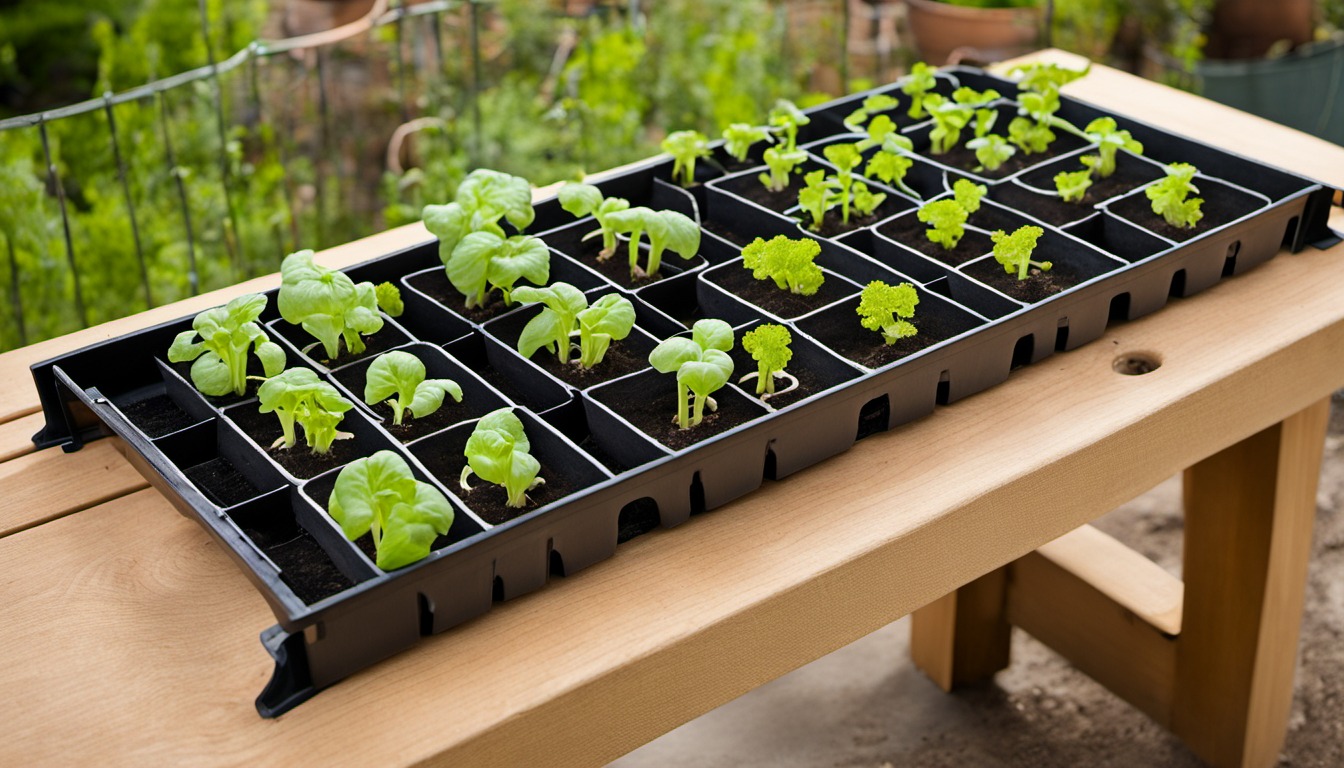
Match the method and maturity
Find the crop and planting method in the LSU table. Seeds and transplants can have different schedules, and a packet’s days to maturity may begin at sowing or transplanting. Write both the method and expected harvest beside each crop so a late-started transplant is not mistaken for a direct-seeded row.
Reserve a bed for the next crop
Sketch a bed’s mature plants, supports and access paths. Note when the current crop is likely to finish and leave time to clear weeds and prepare workable soil. If tomatoes remain productive when a fall sowing window opens, use another bed or start suitable transplants separately rather than assuming space will appear on schedule.
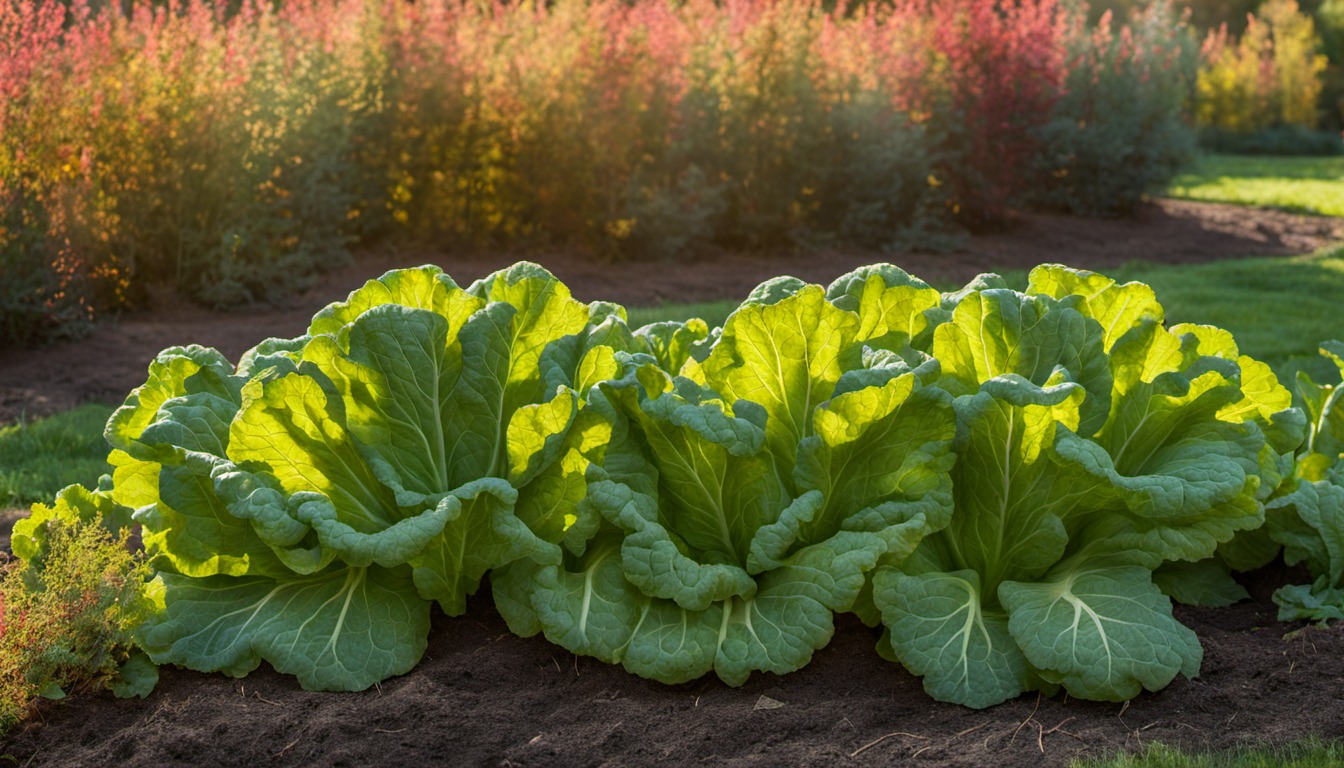
Plan for establishment
A fall crop may need to be started in warm weather for a later cool harvest. Protect small seedlings from drying and check moisture below the surface. For spring, wait on wet soil that smears or compacts; make a backup plan for starts that outgrow their pots before a bed dries enough to work.
Keep a useful record
Record sowing, emergence, first harvest, heavy rain, frost and changes made to the plan. One season does not establish a new climate average, but it can reveal a low wet corner or a bed shaded by a fence. Keep the parish and publication date beside the source so a north Louisiana date is not accidentally treated as a coastal recommendation.
Turn the plan into one week of work
Choose one bed and write down the next three jobs: prepare the soil when workable, obtain the right seed or transplant, and install the support. Put the LSU region and planting method next to the date. If a rain delay moves the first job, check whether the crop still fits the local window before moving the others. A small backup crop or an unused container can preserve the plan without forcing a late planting. At harvest, compare the actual date with the original estimate and note whether heat, rain or available space made the larger difference.