Louisiana garden field guide
Manage Heavy Rain and Drainage in a Louisiana Garden
A heavy shower can make a garden temporarily wet; floodwater can introduce contaminants as well as excess moisture. Treat those situations differently and keep people out of hazardous water.
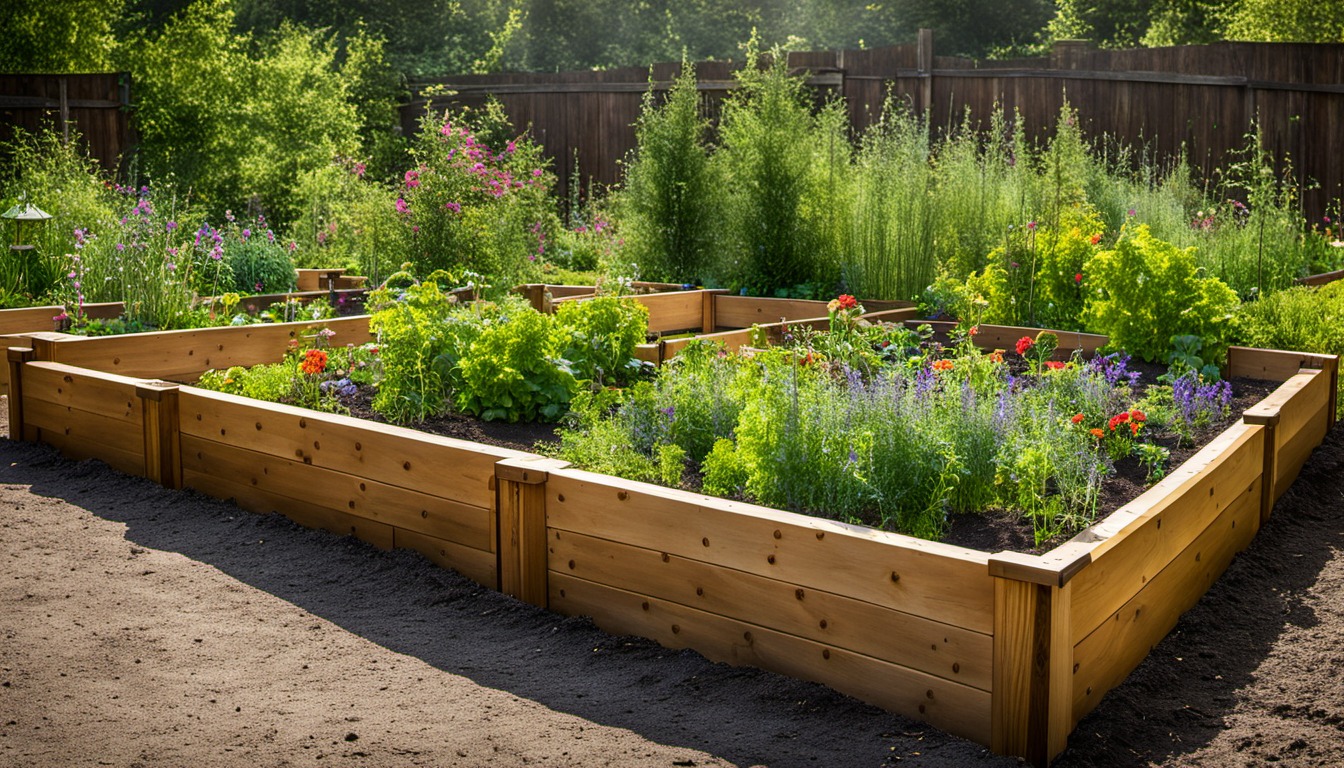
Watch where water goes
After a safe rain event, observe where water collects, how long the surface stays wet and whether a path carries runoff toward a bed. Make notes from a safe location rather than walking repeatedly on saturated soil. A consistently wet low point may need a different bed location or a drainage plan.
Avoid working wet soil
Digging and repeated foot traffic can compress wet soil. Wait until a handful crumbles rather than smears before preparing the bed. Raised beds can improve access and surface drainage in some settings, but they are not a guarantee against standing water, floodwater or a poorly draining subsoil.
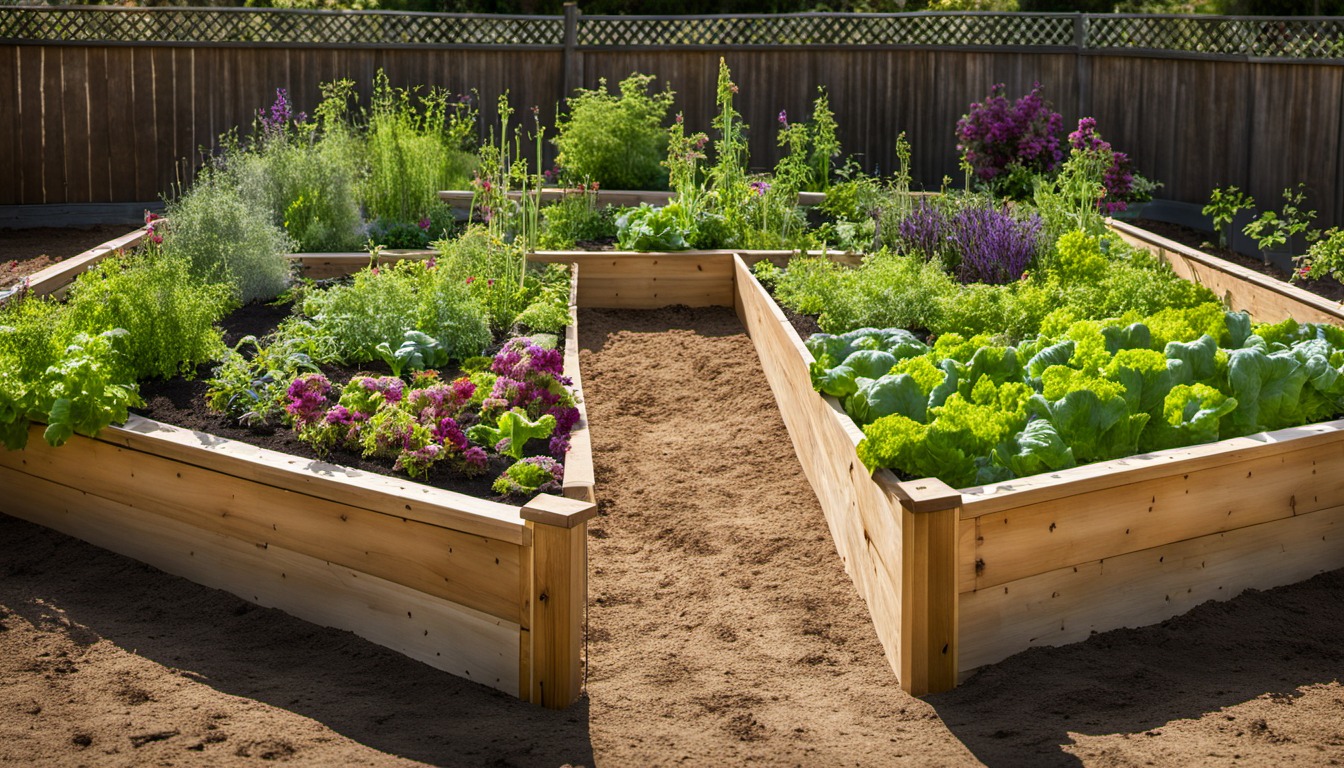
Separate rainfall from flooding
Ordinary rain falling on an uncontaminated garden is different from floodwater moving through sewage, animal waste or other unknown sources. LSU warns that floodwater can carry pathogens. Produce in direct contact with floodwater should be discarded; do not assume washing, cooking or preserving makes it safe.
Inspect plants after weather passes
Once access is safe, look for tipped supports, washed-out seed and waterlogged containers. Do not tug plants from saturated ground just to assess them. Clear a blocked container drainage hole when safe and compare its moisture with a neighboring pot under an overhang; not every part of the garden receives the same rain.
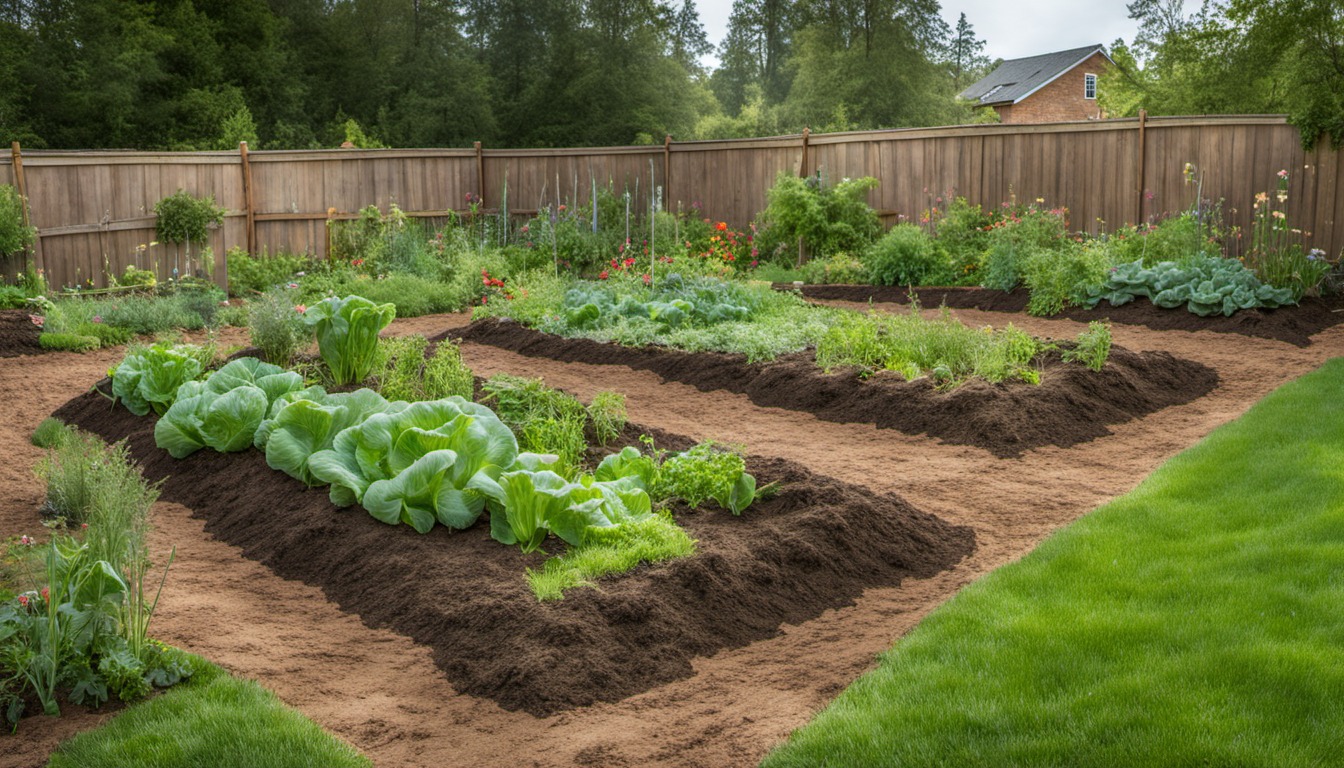
Example: a wet corner
Suppose one end of a bed stays soft while the rest drains. Mark the area and observe a second storm from a safe place. Move the next planting to a better-drained location while investigating the source of runoff. Adding more water or digging into the wet spot immediately will not solve the underlying pattern.
Ask for local help after a flood
Floodwater can also contain chemicals or other hazards not visible on produce. Follow current LSU and local health guidance, document the affected area and ask your parish Extension office about recovery and replanting. Never enter moving water or approach damaged electrical equipment to save a crop.
Make a drainage sketch
Draw the roof, downspout, path and bed on a simple map. After the next safe rain event, mark where water enters and where it remains; do not walk into moving or contaminated water to collect information. If runoff repeatedly enters a low bed, use a better-drained planting spot while obtaining appropriate local advice. Distinguish ordinary rainfall from floodwater that has crossed unknown ground or sewage. LSU’s advice to discard directly flood-contacted produce is a food-safety decision, not a judgment about whether the leaves look clean.