Louisiana garden field guide
Help a Louisiana Vegetable Garden Through Summer Heat
Heat, humidity and sudden rain make summer garden care a series of observations. A plant can wilt from a dry root ball, saturated roots or another problem, so check before changing the entire watering schedule.
Choose crops for the season
Warm-season crops differ in their tolerance of high heat and humid conditions. LSU’s seasonal advice includes okra and southern peas among warm-soil choices. Consult the crop and region in the planting guide, and consider whether a spring crop remains productive enough to justify water and space during the hottest period.
Check the root zone
Feel the soil below the surface in several places and inspect the original root ball of a recent transplant. A brief shower may wet leaves without reaching roots, while repeated rain can leave soil saturated. Water only where needed, following local restrictions, and avoid using a wilted leaf alone as proof that the whole bed is dry.
Use shade as a tool
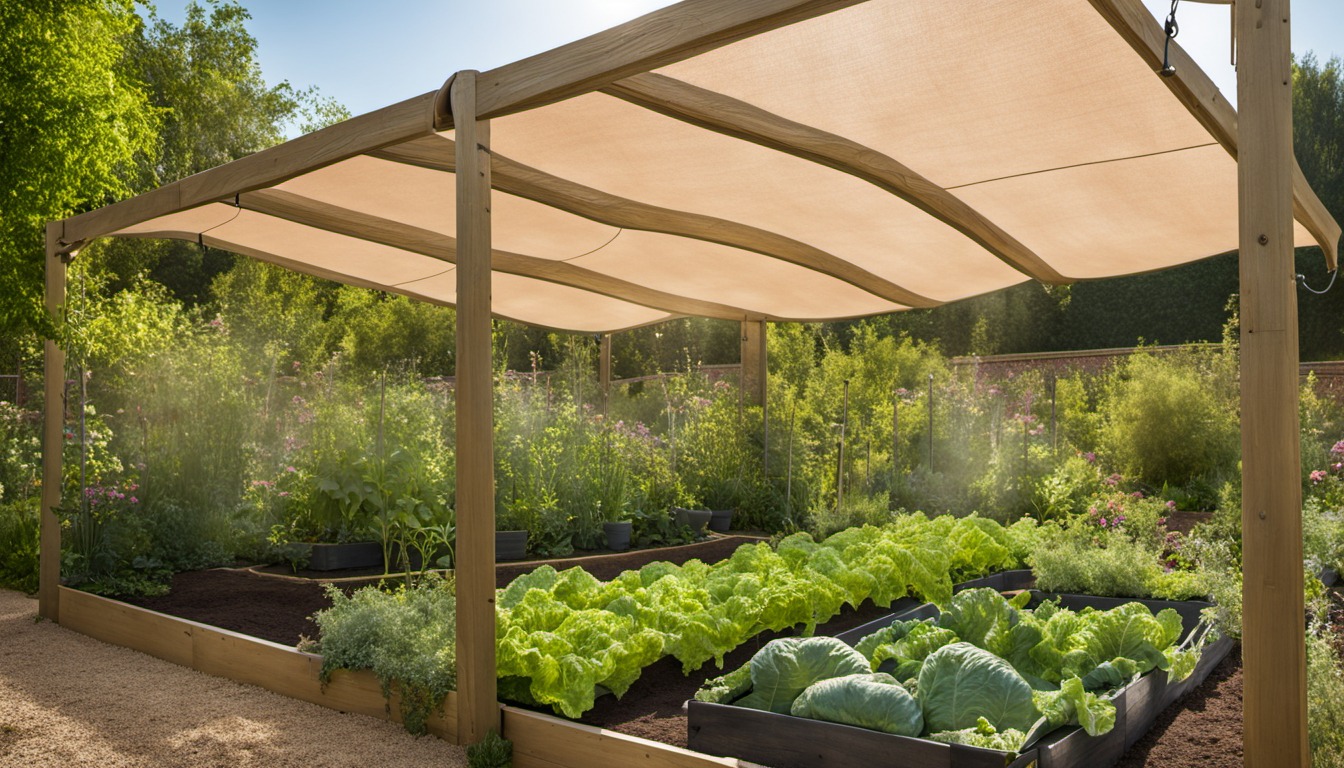
Temporary shade can reduce stress during establishment, especially for a small transplant, but crops still need suitable light. Secure material against wind, leave room for air movement and adjust it as the weather changes. Do not assume shade guarantees fruit set through every heat wave or makes a cold-season crop suitable all summer.
Reduce splash and crowding
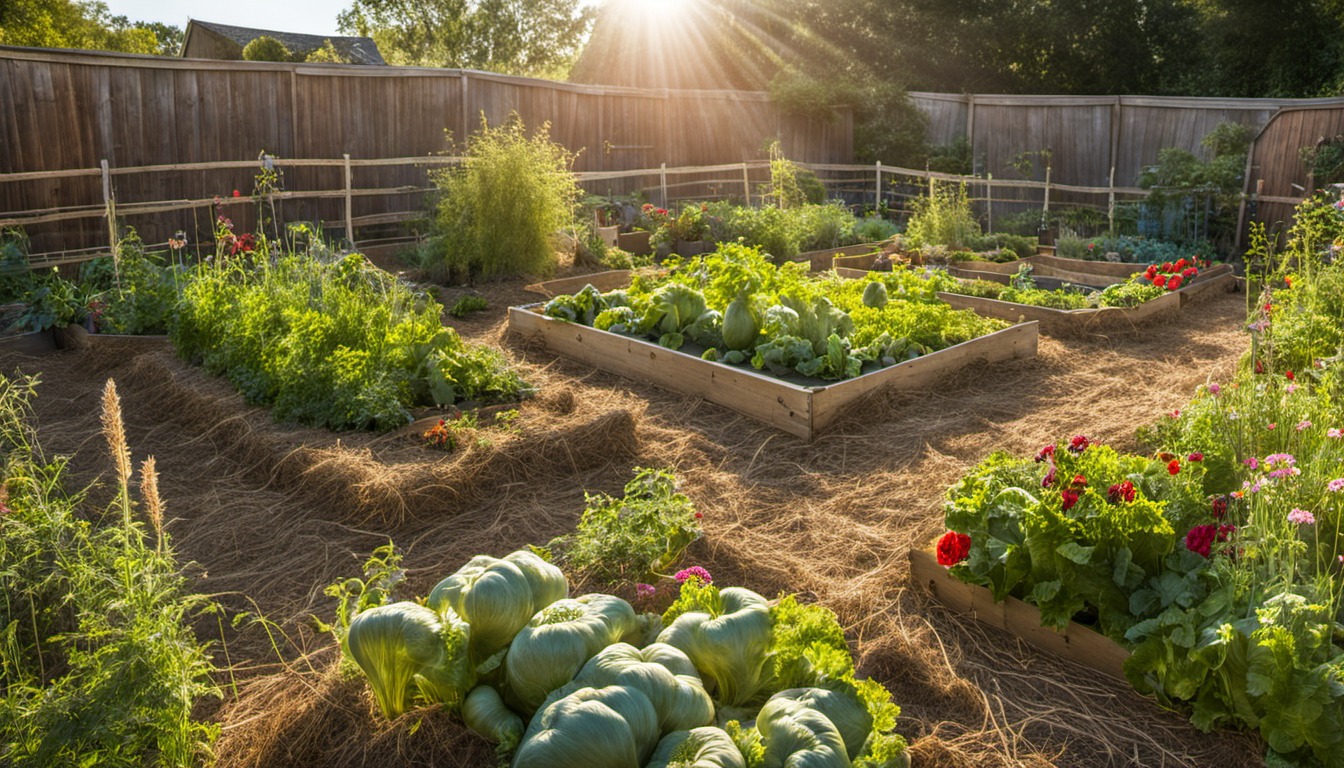
Mulch after plants are established to protect the soil surface and limit moisture swings. Leave space around stems and check that foliage is not packed so tightly that inspection becomes difficult. LSU’s home-garden disease guidance emphasizes an integrated approach; no single mulch or watering method prevents every disease.
Example: one end wilts
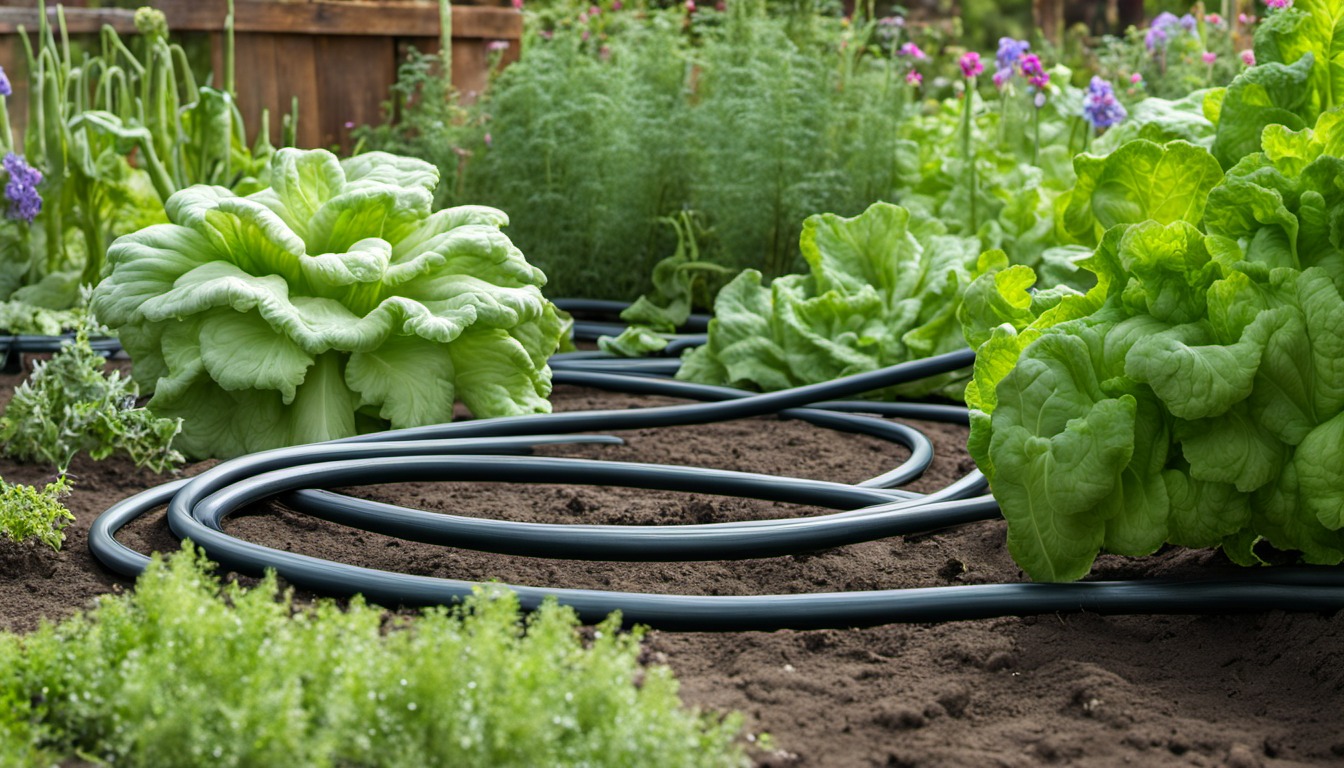
If one pepper wilts while another on the same line is vigorous, compare the soil and root ball at each plant. Run the irrigation briefly and check for a kink or blocked emitter. If the affected soil is already wet, investigate drainage or roots instead of doubling the run time for every plant.
Reserve a fall bed
In late summer, check LSU’s fall crop table and note when existing plants will finish. Start suitable transplants separately if needed, but make a plan for their bed and daily care during establishment. Record heat damage, water checks and actual harvest to choose a better location or variety next year.
Look for reflected heat
A pot beside pavement or a bright wall can experience different exposure from a nearby open bed. Compare soil moisture and the plants’ condition at the same time before blaming the variety. If it is safe and practical, move the container or adjust temporary shade and observe the response. Check that the pot still receives suitable light and can drain freely after a storm. A brief improvement does not prove that heat was the only cause, so keep looking for root damage or pests if symptoms persist.