Louisiana garden field guide
Mulch a Louisiana Vegetable Garden
Mulch covers the soil, not the work of checking it. The right material and placement can make a vegetable bed easier to manage through rain and warm weather.
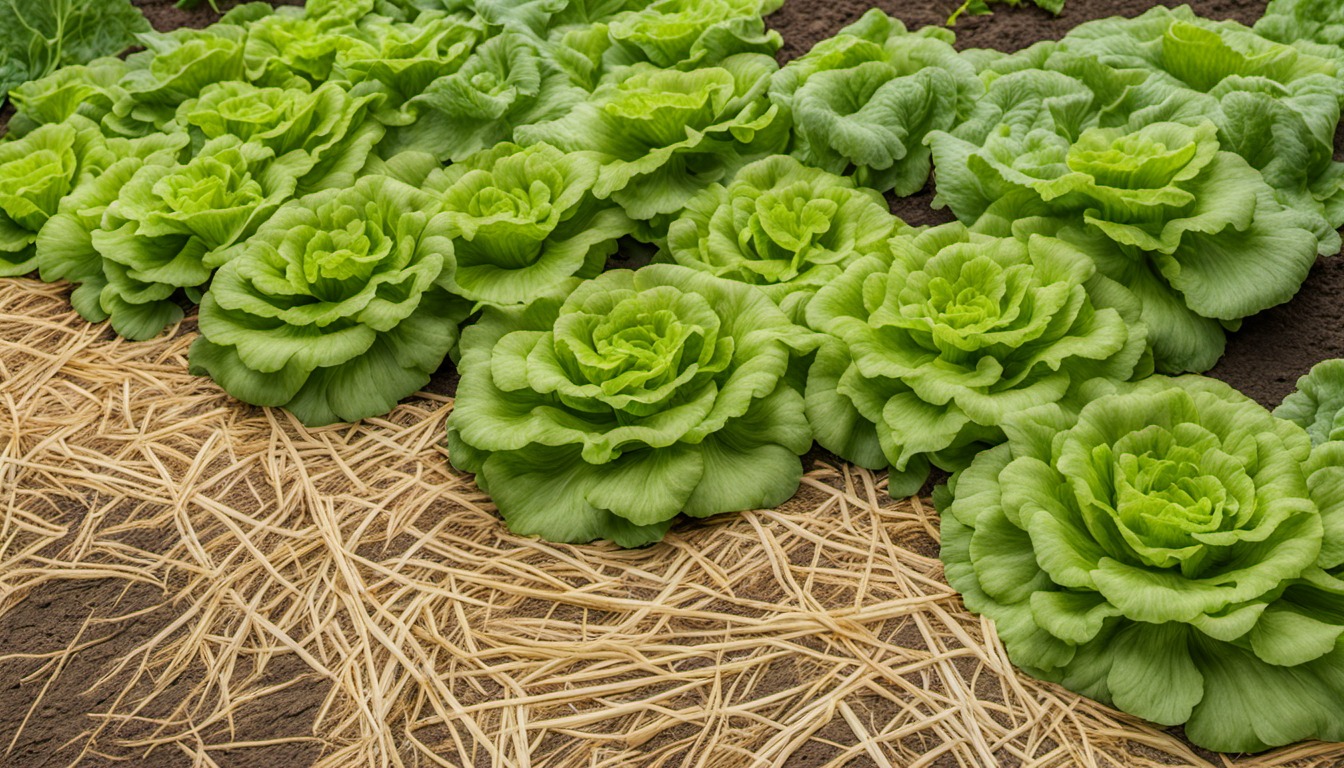
Choose a suitable material
LSU describes organic options such as straw, leaves and pine straw for gardens. Use material from a trustworthy source and avoid grass clippings or other material that may carry herbicide residues. Consider whether a fine material mats down or whether a coarse material is difficult to manage near small seedlings.
Place it after establishment
Keep the immediate seed row clear until seedlings emerge and can tolerate the cover. Around established plants, spread mulch over soil while leaving room around stems. LSU describes two to three inches as sufficient in many situations; the crop, material and local advice may call for a different choice.
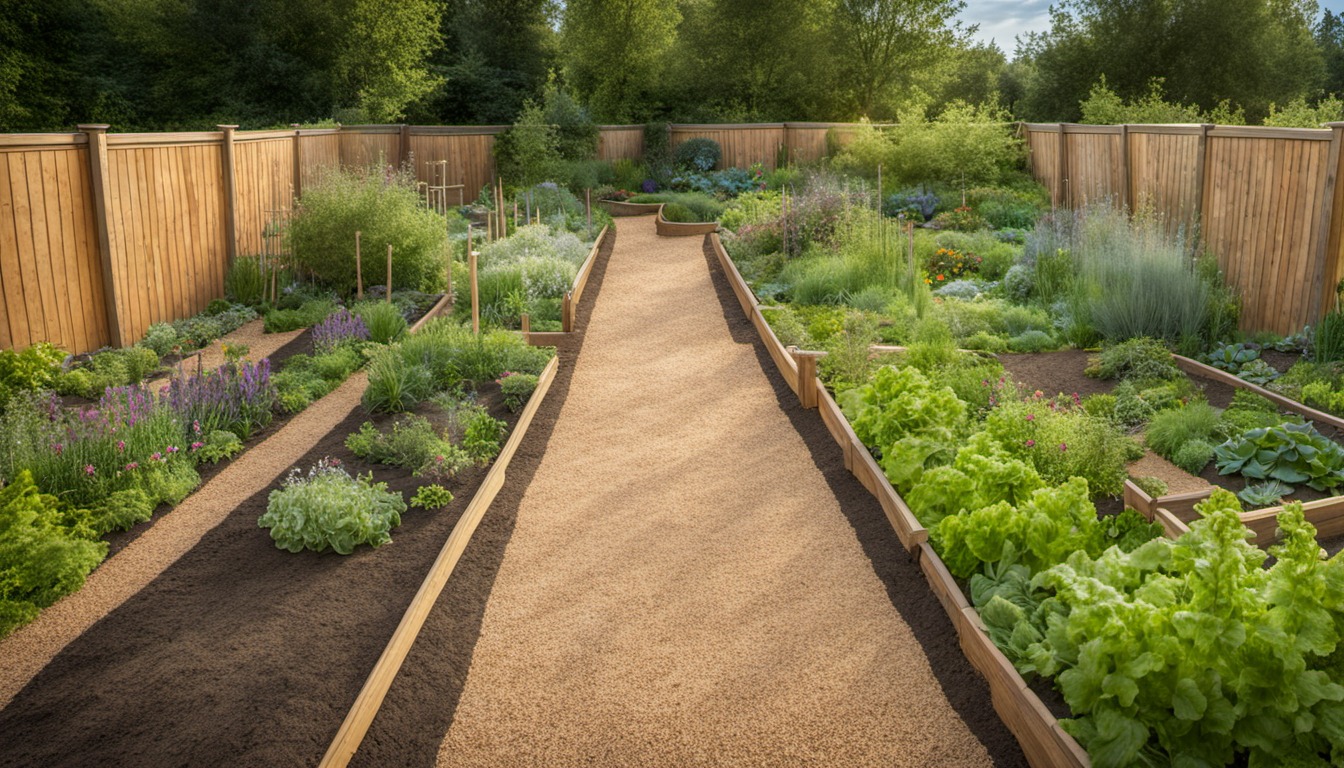
Check beneath the surface
Mulch can reduce evaporation and splash, but a bed under it can still become dry or saturated. Feel the soil at root depth before watering. A layer that stays matted may restrict water or air movement; loosen it when appropriate and inspect the irrigation wetting pattern.
Keep crop care separate
Mulch does not cure a nutrient deficiency, identify a pest or prevent all diseases. Use a soil test for nutrient decisions and inspect plants regularly. If a plant wilts, check soil, root ball and drainage before increasing water; a thick mulch layer can hide the condition beneath it.
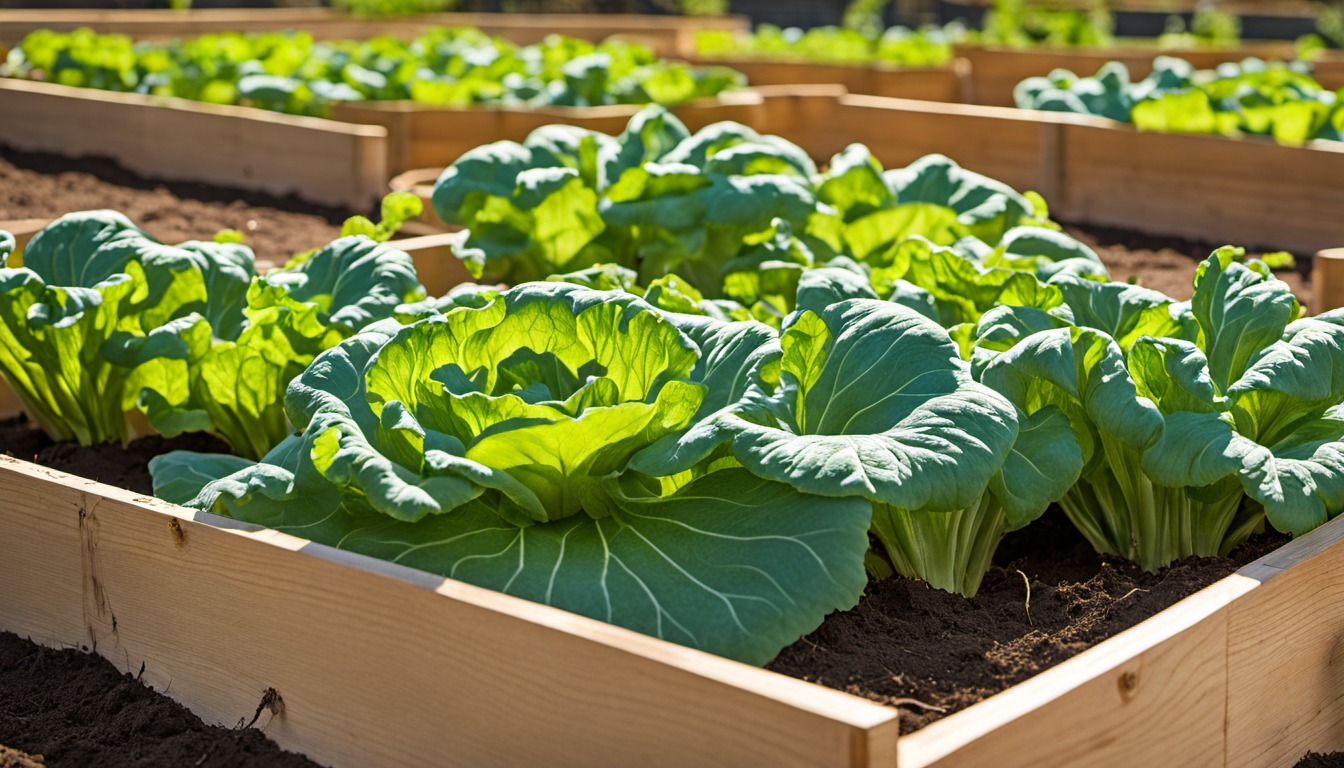
Example: a small bed
For an eight-by-four-foot bed, a two-inch layer over the full rectangle is about 5.3 cubic feet before accounting for plant openings and settling. The calculator gives a starting volume; measure the actual space and buy only what you can spread appropriately. Recheck depth as organic material settles or decomposes.
Plan after storms
Once it is safe to enter the garden, inspect whether rain displaced mulch or exposed soil. Replace material where needed without working wet ground. If floodwater contacted produce, follow LSU’s separate food-safety guidance rather than assuming mulch protected the harvest from contamination.
Choose a manageable amount
For a rectangular bed, multiply inside length by width and the chosen depth in feet to estimate cubic feet. The result assumes the entire rectangle is covered; plant openings and settling change the final purchase. For example, 32 square feet at two inches is about 5.3 cubic feet before those adjustments. Spread material only after seedlings are ready, keep stems clear and check whether water reaches the soil beneath it. If the material mats or becomes displaced, correct that specific problem rather than adding another deep layer automatically.