Louisiana garden field guide
Plan a Louisiana Fall Vegetable Garden
A Louisiana fall garden often starts before summer crops have finished. The challenge is getting a suitable crop established in warm weather early enough to use the cooler season.
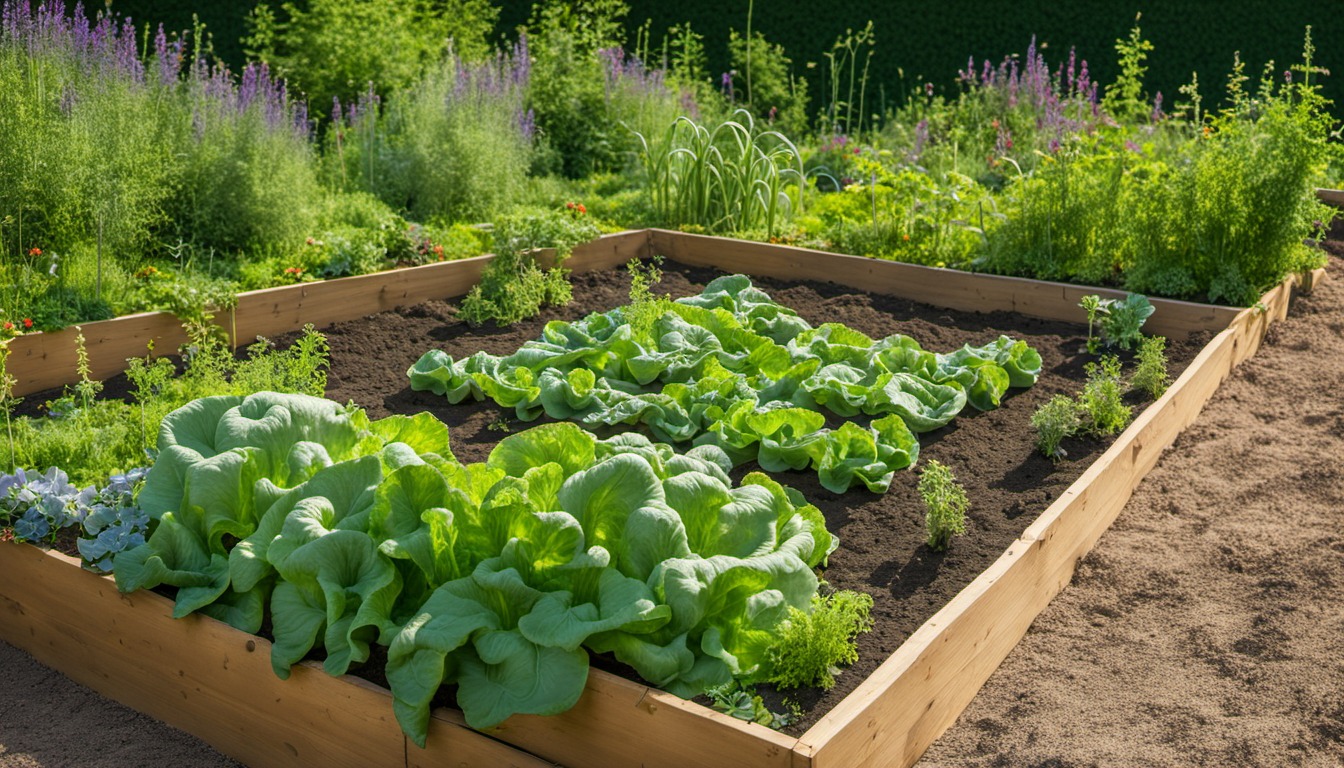
Read the fall column
LSU’s guide separates crop and method by north and south Louisiana and notes that central gardeners can use either regional fall column as a starting point. Check your parish weather, expected frost and the crop’s maturity. A coastal opportunity to plant later is not automatically a recommendation for an inland garden.
Choose the right transition
List which beds will be open and when. LSU’s fall guidance describes August and September as important preparation months, but individual crops have different windows. If the spring tomato is still worthwhile, reserve another patch or start suitable transplants separately; if it opens too late, select a crop that still fits.
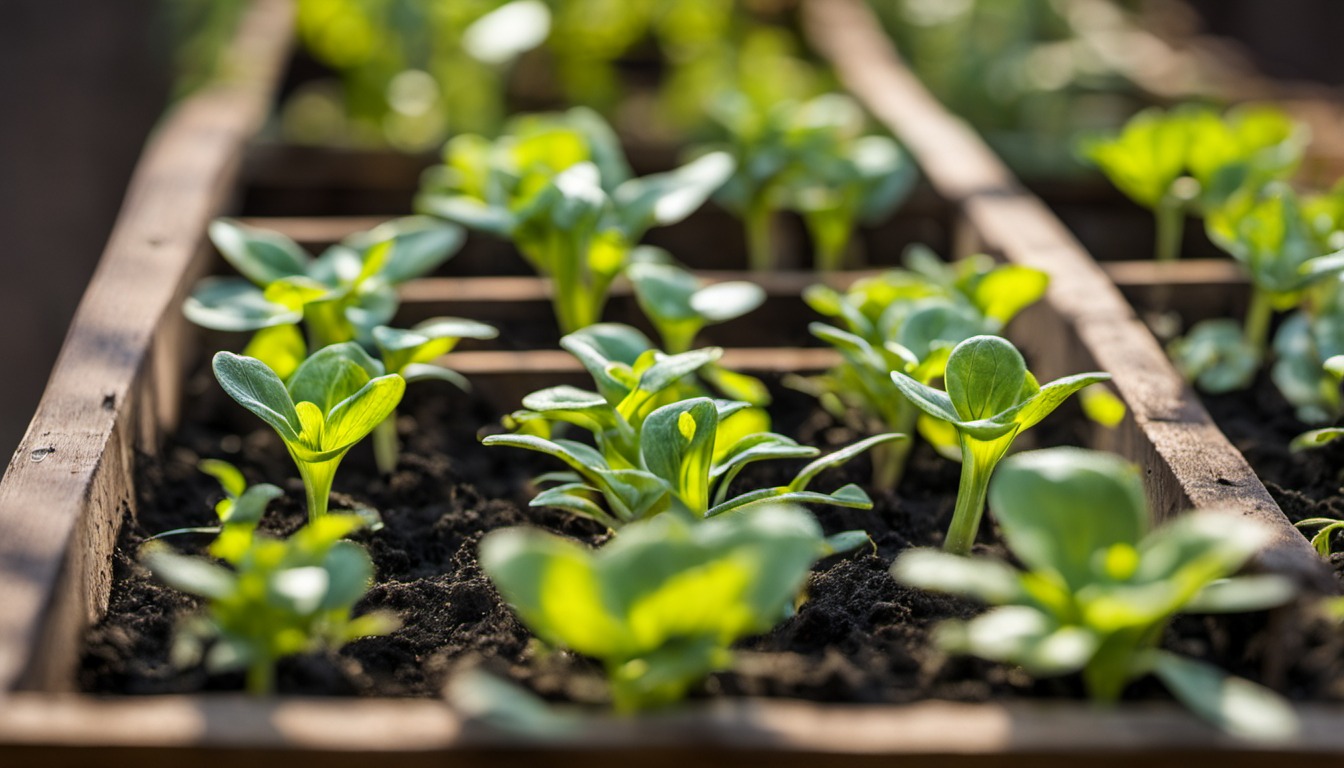
Prepare without compaction
Remove spent vegetation and weeds, and check support and irrigation before planting. Wait after rain until soil crumbles rather than smears. Add finished compost where useful and follow a soil-test recommendation for nutrients rather than applying fertilizer just because the bed is changing seasons.
Protect a small seed zone
Late-summer heat can dry a shallow seed row while the deeper bed remains moist. Check at seed depth and water gently enough not to displace small seed. Temporary shade can ease establishment when appropriate, but it must be adjusted or removed as conditions change and the crop needs adequate light.
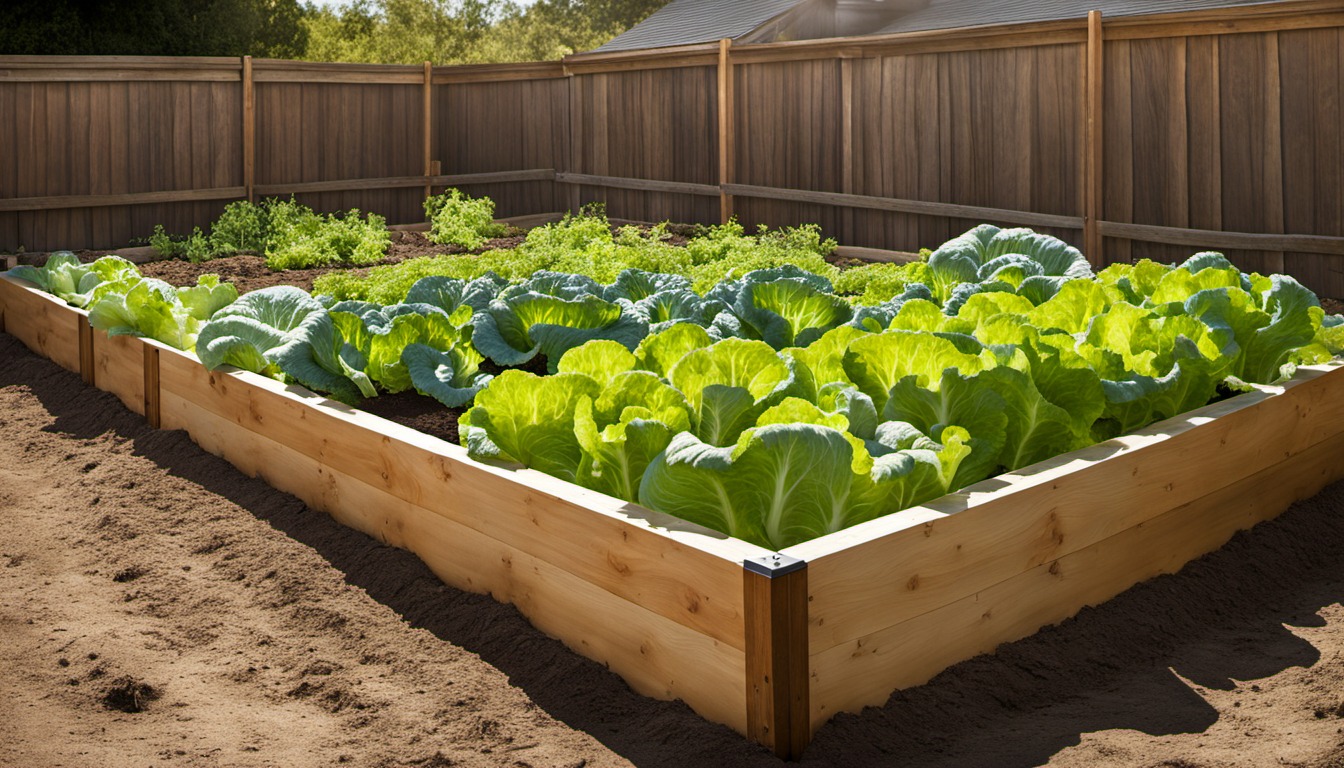
Expect pest pressure
LSU notes that fall gardens can meet accumulated insect pressure from the summer. Inspect leaf undersides and new growth, identify the cause before treating and consider physical or cultural controls. A row cover can exclude pests but may need removal when a flowering crop depends on pollination.
Make the harvest usable
Compare a seed packet’s maturity with the time available and distinguish frost-tolerant greens from tender beans. Mark the sowing date and expected harvest as estimates, then record actual performance. If a projected harvest falls beyond a likely cold period, a quicker or more cold-tolerant crop may make better use of the space.
Compare the packet clocks
A fall packet may count maturity from sowing, while a transplant label may count from the day it is set outdoors. Write the starting point beside each estimate before using a frost countdown. If a bed is occupied, a tray of suitable starts may help only if it can be watered, hardened and planted during the local window. If not, compare a faster crop with the time left and its cold tolerance. Record the change and actual harvest; the garden’s turnover time matters as much as the printed maturity number.