Louisiana garden field guide
Prepare a Louisiana Vegetable Garden for Storms
A garden storm plan is a short list of jobs done before hazardous weather, not a reason to stay outdoors once conditions become unsafe. Protecting people comes first.
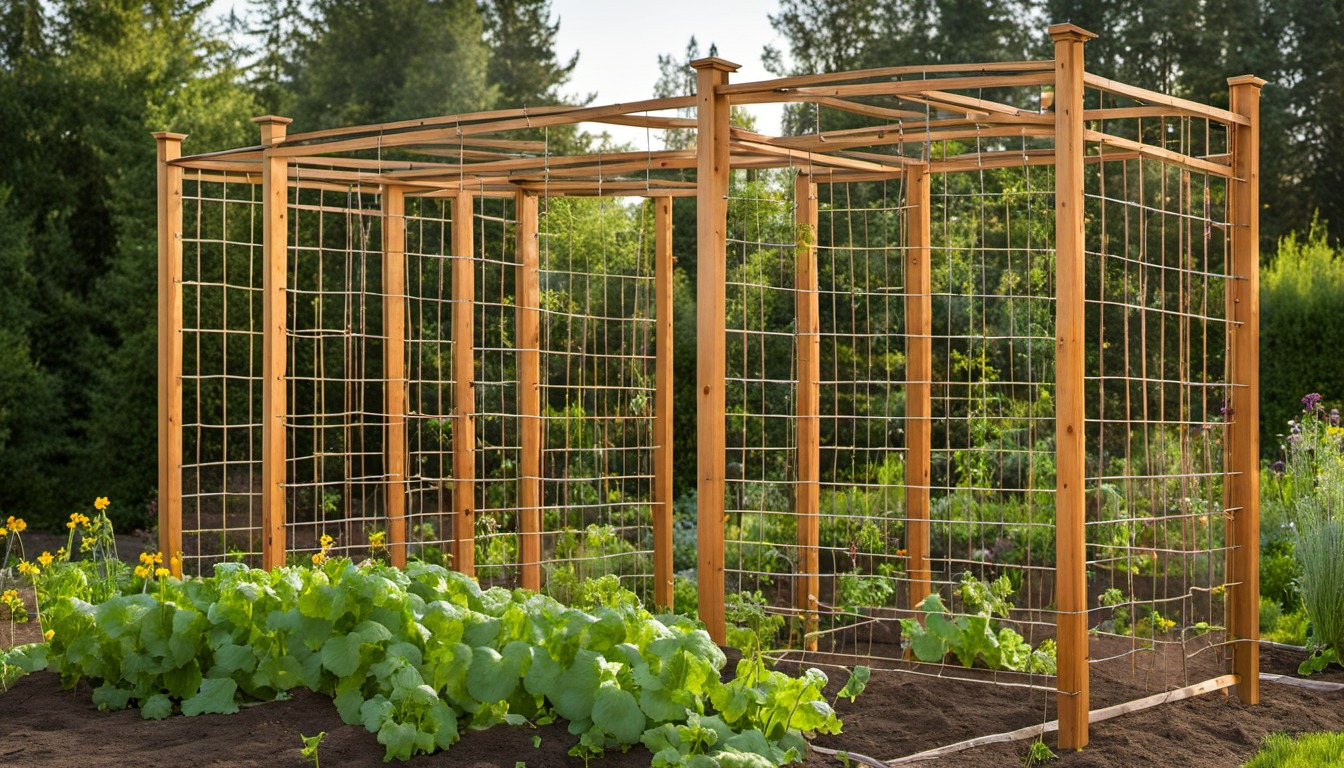
Check supports early
Before a storm is imminent, inspect tomato stakes, trellises and loose containers. Repair weak fastenings and allow room for mature plants without tying stems tightly. Secure or move lightweight items only when it is safe and practical; a last-minute attempt to save a pot is not worth exposure to wind or lightning.
Understand the site
Note whether a low bed receives roof runoff or whether containers sit where they could tip. Keep walkways open and avoid blocking drainage paths with stored material. Raised beds may help routine drainage, but they do not make plants or produce safe if floodwater reaches them.
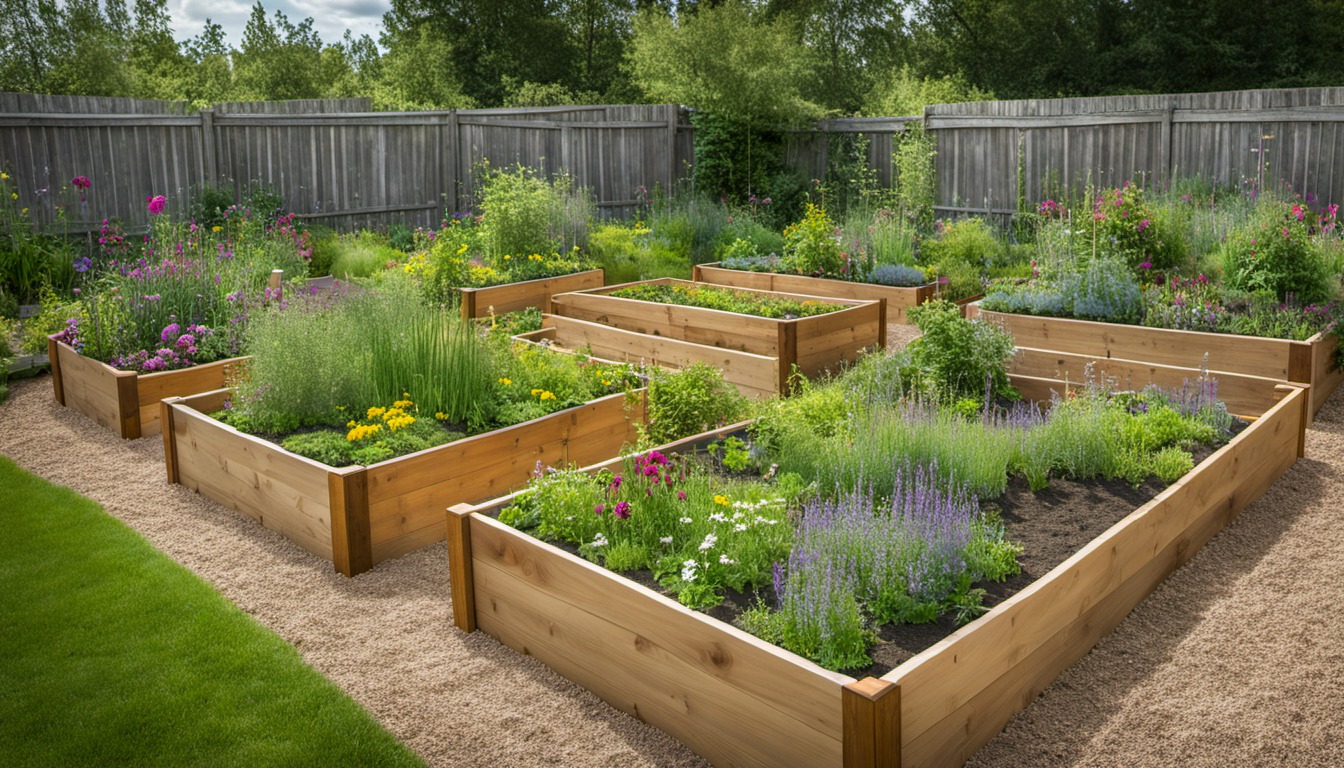
Pause during the event
Follow current local weather and emergency instructions. Do not enter moving water, handle damaged power equipment or work beneath unstable branches. Wait until conditions and access are safe before inspecting the garden, even if crops are ready to pick. A damaged bed can be replanted; an injury can have lasting consequences.
Assess food safety
LSU advises discarding fresh produce that directly contacts floodwater because contaminants can include pathogens. Ordinary rain is not the same as floodwater flowing through unknown areas. Do not rely on washing or cooking flooded produce to make it safe; consult LSU and local health guidance for the specific situation.
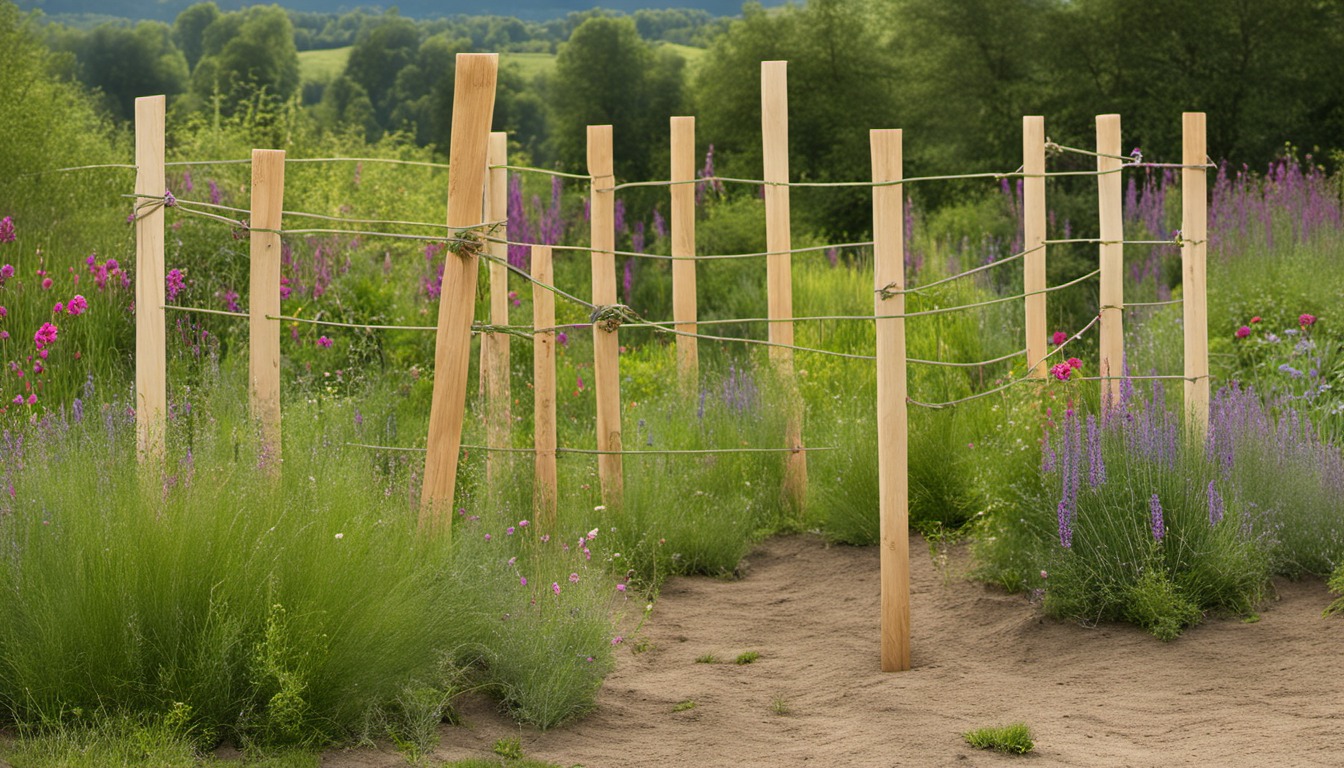
Example: after a severe shower
A raised bed received ordinary rain, while a low path nearby carried muddy water from an unknown source. From a safe position, determine whether the bed or produce had floodwater contact before harvesting. If contact is uncertain, use the conservative choice and ask your parish Extension office rather than assuming a rinse is enough.
Repair and record
When safe, photograph damage for your own records, remove unstable supports carefully and wait until soil is workable before replanting. Check seed availability and remaining local planting windows. Record which paths collected water and which supports failed so the next setup can address a specific problem rather than adding unnecessary hardware.
Prepare the day before
When a safe window exists, bring small tools inside, check loose trellis ties and clear ordinary garden paths. Avoid climbing or handling anything near electrical lines. Make a note of crops that are ready to harvest before the storm, but stop work when local weather makes outdoor activity unsafe. Afterward, check the forecast and local alerts before returning. If floodwater reached edible plants, separate that food-safety issue from physical storm damage and follow LSU’s guidance; a raised bed or a clear-looking fruit does not establish that contamination is absent.