Louisiana garden field guide
Build a Practical Louisiana Raised Vegetable Bed
A raised bed can make a small garden easier to reach and organize. Its success depends on the site, soil, water and access underneath as much as on the frame.
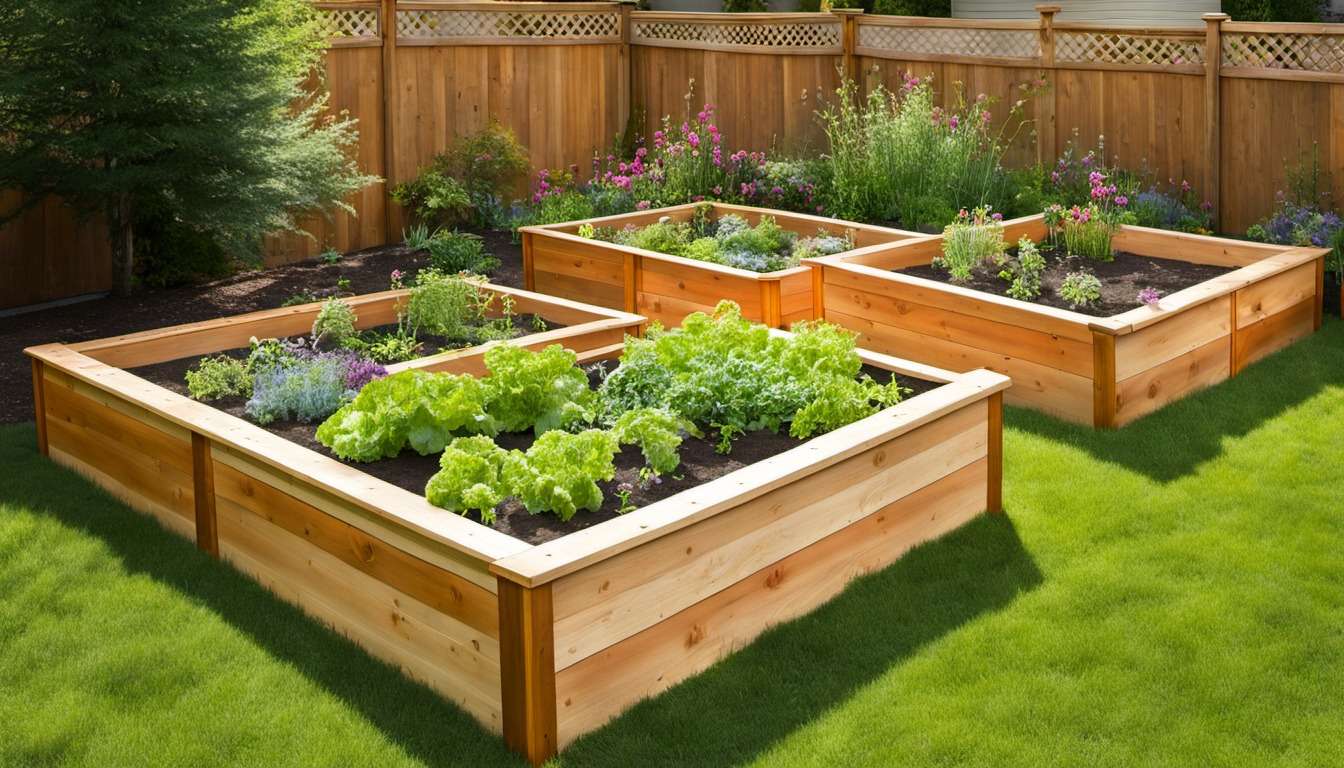
Start with the site
Choose suitable light and a water source, then observe runoff after a safe rain. Leave a path wide enough to reach and harvest without stepping into the bed. A raised frame can improve access and surface drainage, but it does not prevent flooding or turn a saturated low spot into a guaranteed dry site.
Measure from the inside
Sketch the inside length, width and intended fill depth. The planning tool estimates volume for a rectangular bed; allow for settling and measure any existing soil already inside. A narrow bed reachable from both sides avoids the need to step on the growing area and compact it.
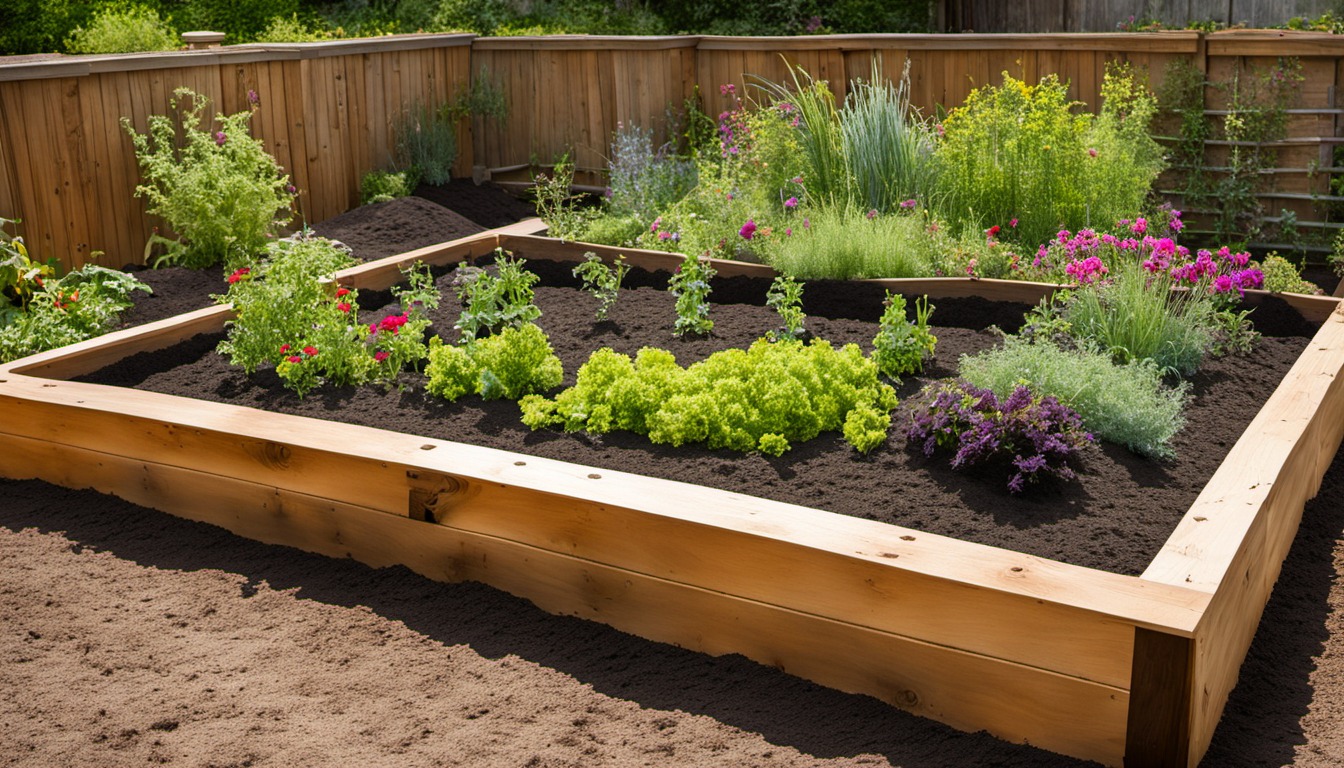
Choose a growing medium
Use appropriate garden soil and finished organic material from a trustworthy source. Ask about the material and test soil where appropriate before adding fertilizer or lime. A container mix and an in-ground garden soil serve different purposes; avoid assuming that a single recipe fits all fill, drainage and crops.
Arrange crops for their mature size
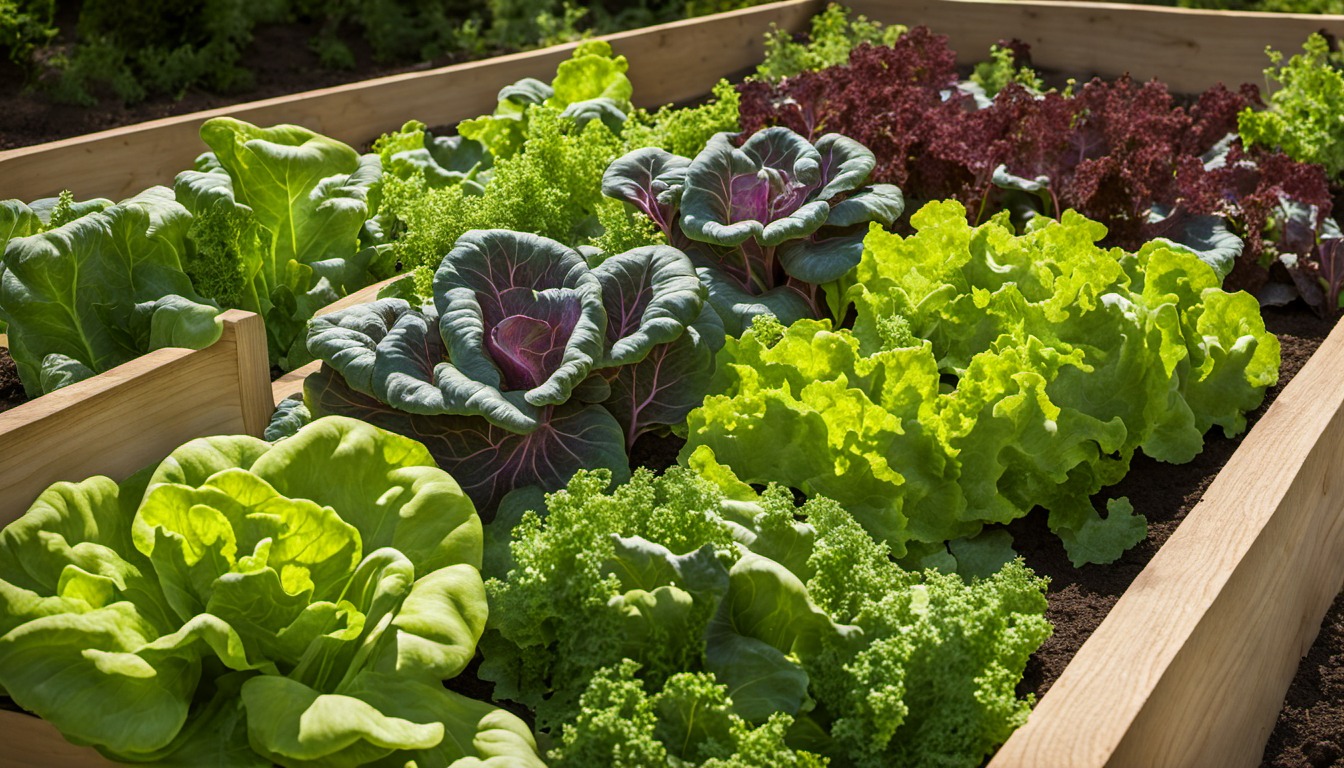
Read LSU’s regional planting table for each crop and method. Put tall supports where they will not shade a smaller planting unexpectedly, and install them before roots spread. Leave room for harvest and irrigation. A small transplant can occupy far more space when the plant is mature.
Example: an eight-by-four bed
An eight-by-four-foot bed filled ten inches deep needs roughly 26.7 cubic feet before settling, calculated as length times width times depth in feet. Measure the actual inside dimensions before ordering. Sketch a path along the long sides and reserve support space before dividing the area among crops.
Maintain the bed
Check moisture beneath the surface, mulch established plants where appropriate and remove weeds while small. Inspect frame corners and irrigation connections safely after storms. If floodwater reaches produce, follow LSU food-safety guidance; the height of the bed alone does not establish that a crop is safe.
Check what is beneath the frame
A frame filled with good material does not correct every condition below it. Before building, look at access, the route of roof runoff and whether the site stays flooded after heavy weather. Leave enough path to reach the center without stepping on the planting area. Measure the inside dimensions and use the volume calculator as an estimate, then allow for settling. If the bed is in an area that receives floodwater, plan for food-safety decisions as well as drainage; height alone does not prove the crop was untouched.