Louisiana garden field guide
Grow Summer Squash in Louisiana
Summer squash can produce heavily from a small planting, but the mature leaves and stems need room and regular inspection. Plan the path and support before the bed fills in.
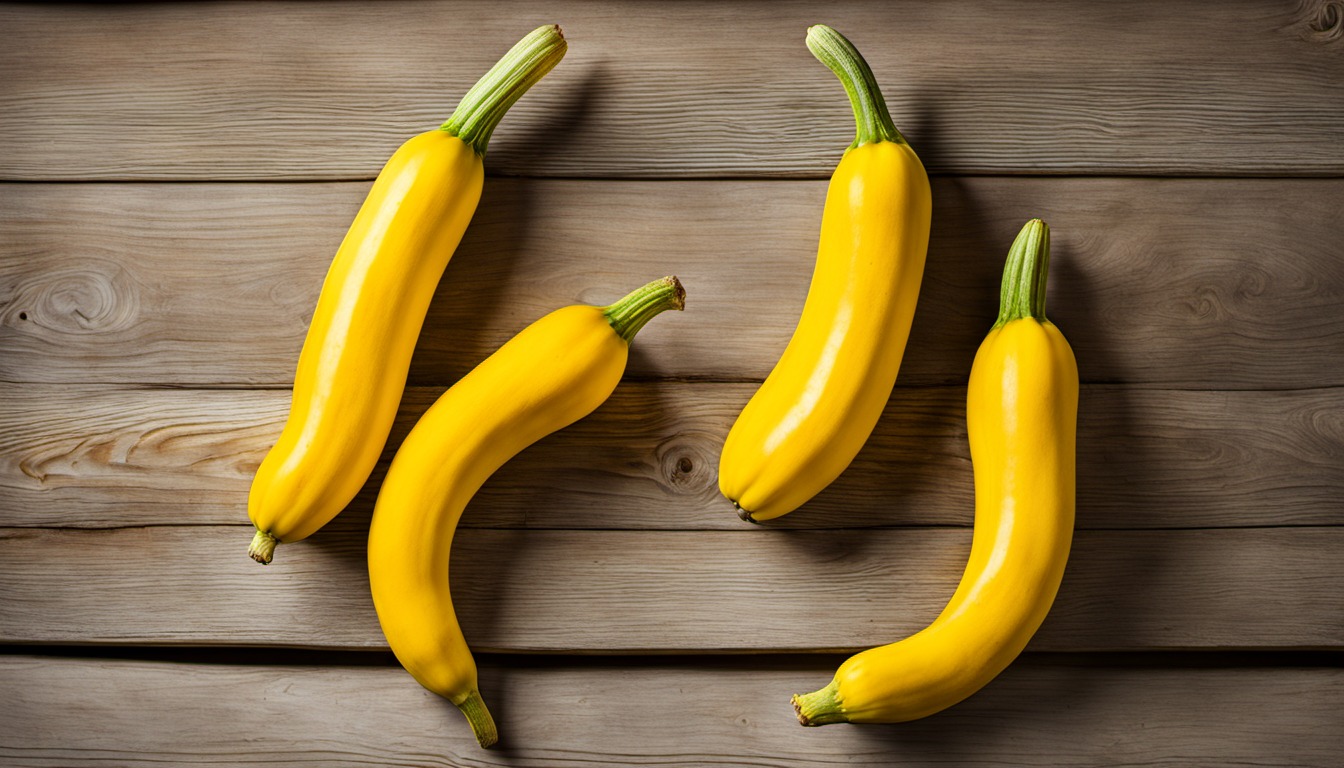
Match the plant to the bed
Choose a bush or vining type and read the packet for mature size, spacing and days to harvest. Leave room to reach the center without stepping on wet soil. If a vine uses a support, place it where it will not unexpectedly shade a neighboring crop and secure it for local weather.
Sow in the right window
Squash is tender and grows best when conditions have warmed. Read the appropriate LSU regional crop row and distinguish spring from fall planting. Check the forecast and soil condition before sowing; a wet, cold bed can delay a crop even when a printed planting window has opened.
Understand flower visits
Many squash varieties have separate male and female flowers and need pollen transferred between them for typical fruit development. Bees commonly move pollen, though varieties can differ. If a protective row cover excludes insects, remove or adjust it when pollination is needed and weather permits.
Inspect without guessing
Look under leaves and along stems for changing insect damage or disease. Misshapen fruit can have several causes, including incomplete pollination and plant stress. LSU’s disease guide lists multiple cucurbit problems; identify the cause and seek parish guidance before selecting any treatment.
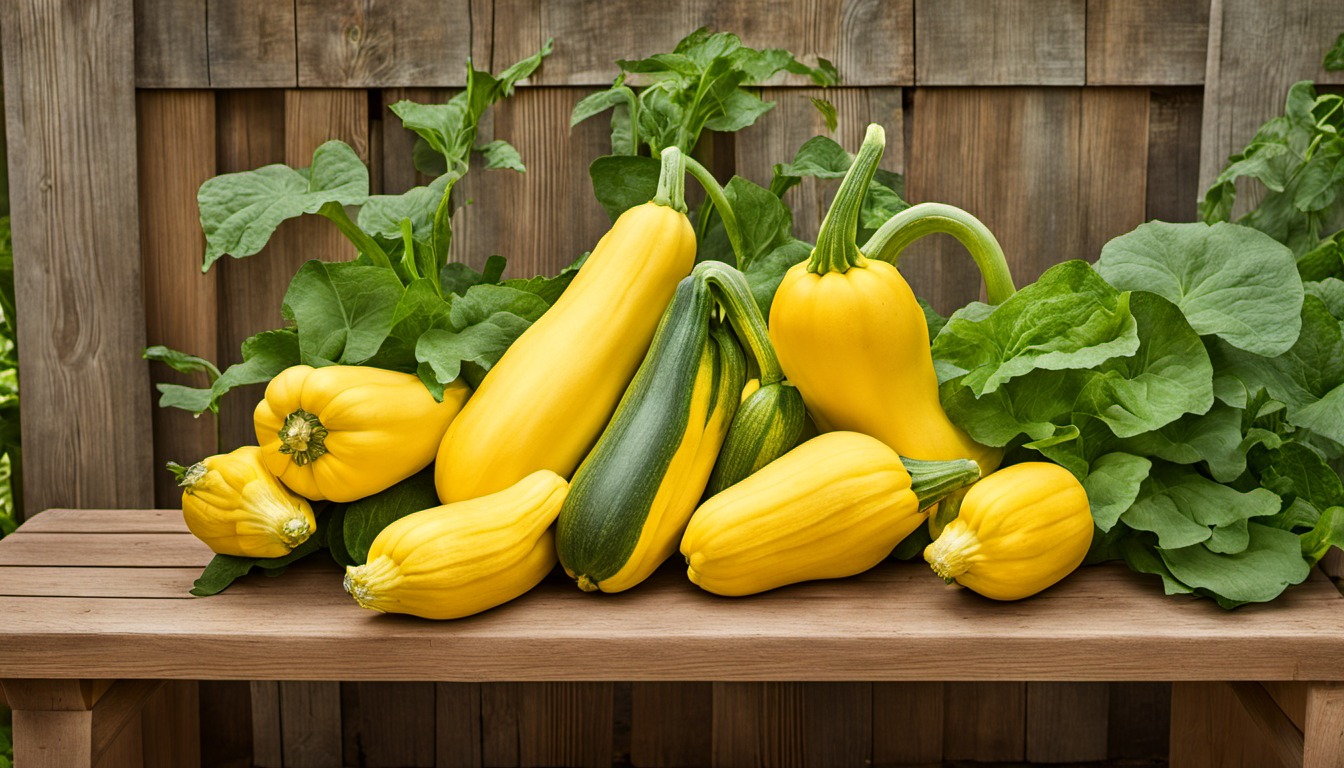
Example: a short planting
A gardener reserves space for one or two bush plants rather than filling an entire bed with seedlings. The gardener marks the planting date, leaves a harvest path and checks flowers as plants mature. If fruit develops, frequent picking at the variety’s recommended stage keeps it useful in the kitchen.
Harvest and reset
Cut tender squash with care rather than twisting hard on a brittle stem. Remove declining material as local guidance recommends and clean reusable supports if needed. Before a second planting, compare its maturity and method with LSU’s fall table; a late crop still has to fit the local season and leave enough time for a useful harvest.
Give the flowers a route to visitors
If a row cover protects young plants from pests, check daily as flowers approach and remove or adjust the cover when the crop needs pollination and weather permits. Secure the material so it does not damage foliage in wind. Separate male and female flowers appear on many squash varieties; pollen transfer, often by bees, supports typical fruit formation. Poor set can also reflect weather or plant stress, so inspect water and overall condition before attributing every small fruit to insects. Harvest at the variety’s tender stage and keep the path open.