Louisiana garden field guide
Welcome Pollinators to a Louisiana Vegetable Garden
A small flowering border can add color and provide resources for garden visitors. Select plants for the site and season, and keep the vegetable bed accessible.
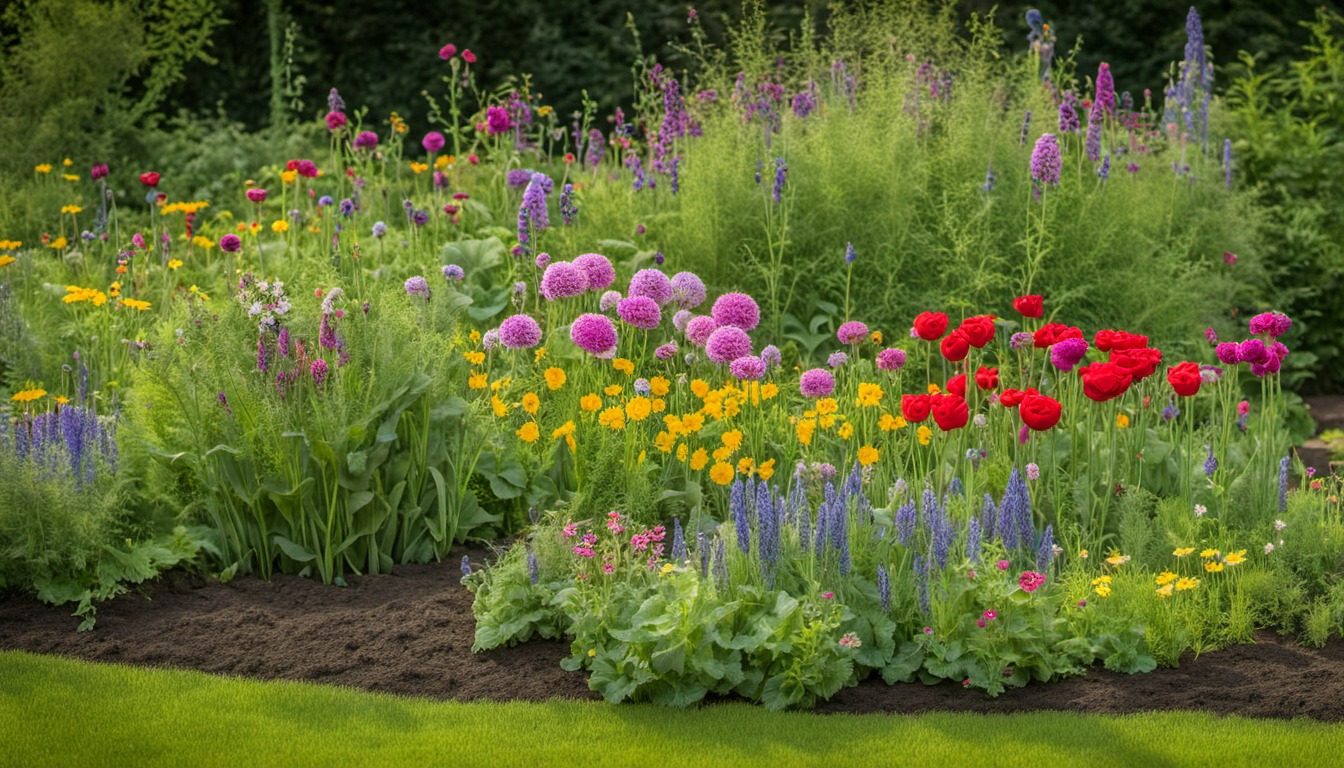
Understand the connection
Many squash and cucumber varieties rely on pollen transfer between flowers for typical fruit development, commonly with help from bees. Flowering habits and pollination needs vary by crop and variety. A flower border can support visitors but does not guarantee pollination, fruit set or a particular harvest.
Choose locally suitable plants
Ask parish Extension or a local native-plant resource about noninvasive species suited to your soil, light, drainage and available water. Aim for overlapping bloom periods rather than one short display. Check mature size so the border will not shade vegetables or block access to a path or water source.
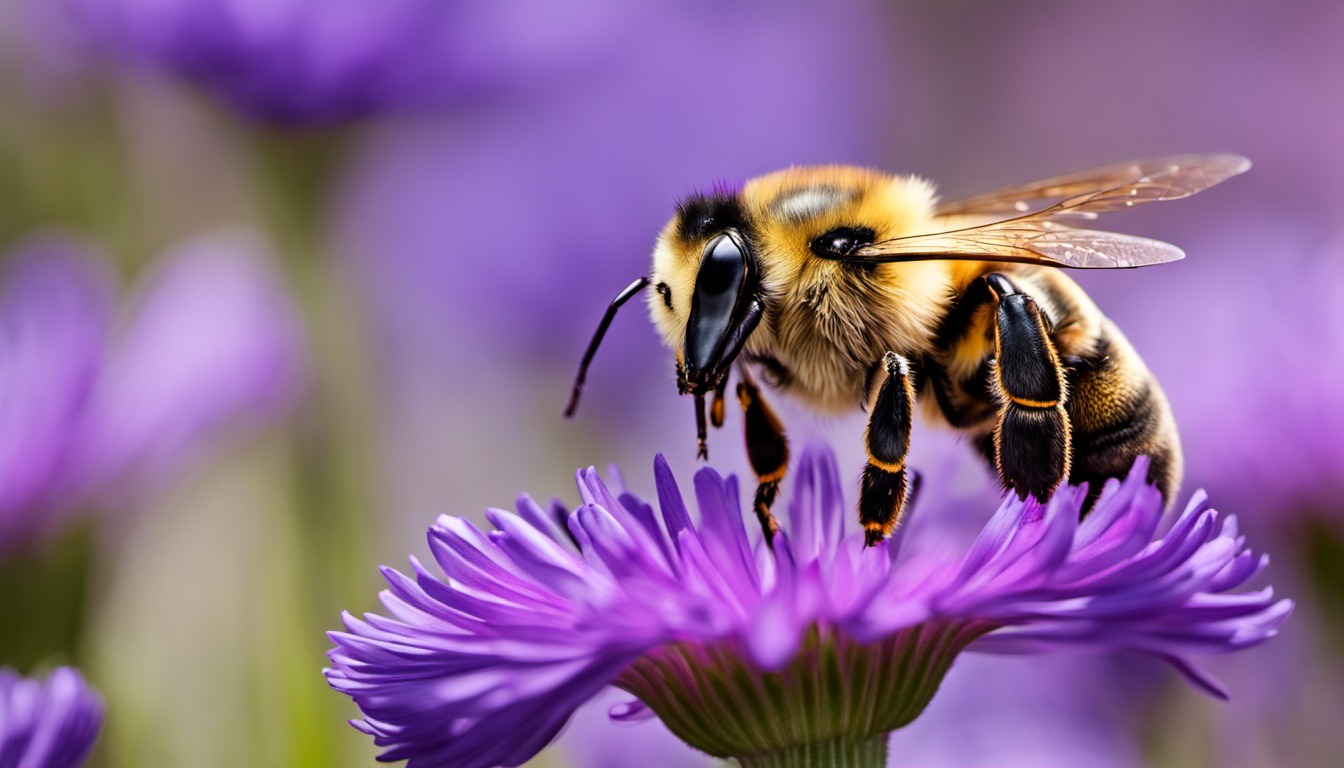
Make room for habitat
A narrow border or several suitable containers can fit beside a small vegetable bed. Group plants with compatible water needs, leave room for maintenance and observe visitors without handling unknown insects or disturbing nests. A garden’s value comes from suitable living plants and steady care, not a promise that every species will appear.
Reduce unnecessary treatment
Identify a suspected pest before acting and consider physical or cultural controls where suitable. If a pesticide is needed, use a current product label for the crop and pest and follow all directions. Avoid treatment of open flowers when pollinators are visiting; remove insect-excluding covers when a crop needs pollination.
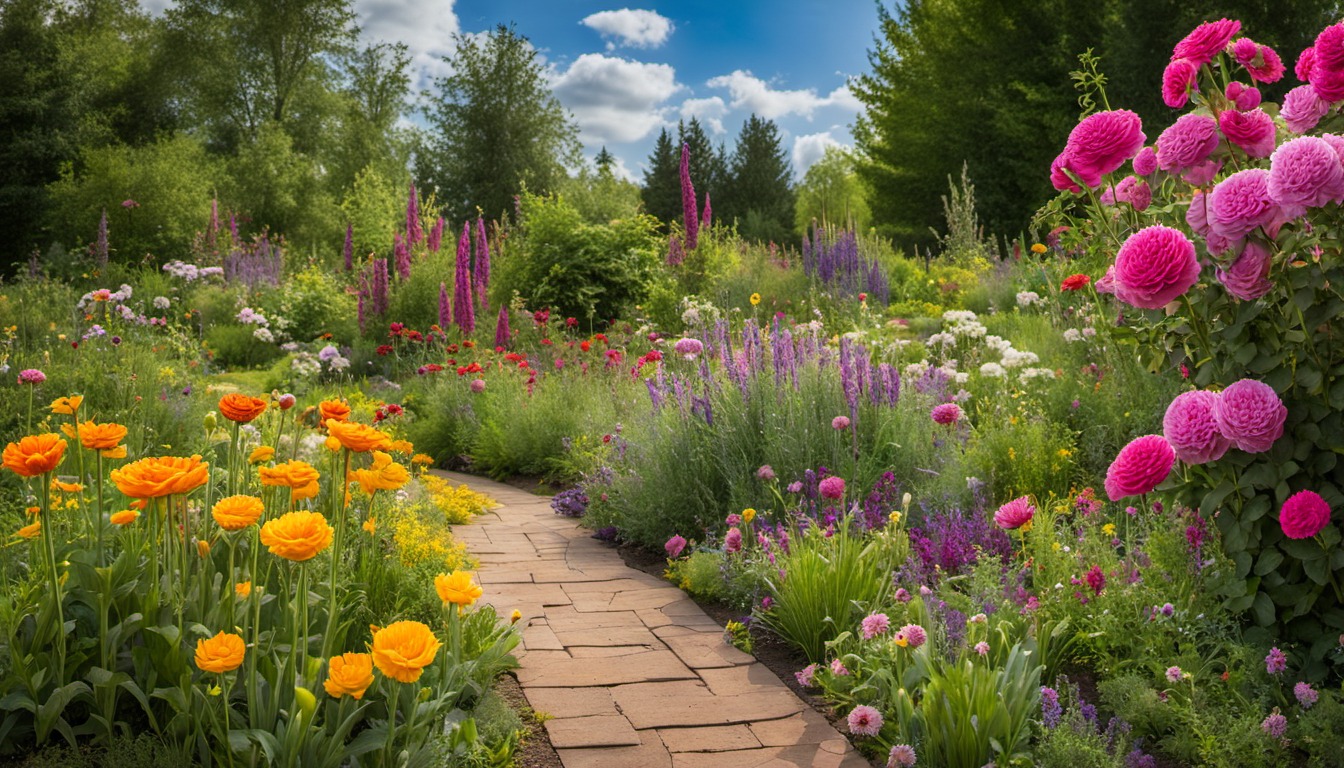
Example: a narrow strip
A gardener reserves a strip outside the mature squash footprint and selects several locally suitable flowering plants with different bloom periods. The gardener records what blooms, whether the bed remains accessible and how much water each plant needs. Poorly matched plants can be replaced rather than forcing the site to support them.
Observe through the year
North and south Louisiana can experience different cold and seasonal conditions, while a low wet corner may differ from a raised bed nearby. Note bloom, drainage and visitor activity across seasons. Use local expertise when selecting native plants and record which visitors you actually observe.
Track bloom and access
Sketch the flowering strip beside the vegetable bed and label each plant’s mature size and expected bloom period. Walk the harvest route as the border fills in; move or prune only when appropriate if it blocks access. Keep a note of which plants tolerate the site’s drainage and which need more water than you can provide. Ask local Extension or a native-plant group for replacements suited to the parish. Observe visitors without disturbing them, and avoid turning a short observation into a claim that the border guarantees pollination or a particular yield.