Louisiana garden field guide
Grow Cucumbers in a Louisiana Garden
A cucumber trellis can keep a small garden organized and make fruit easier to find. A successful plan also includes spacing, pollination and a route to reach both sides.
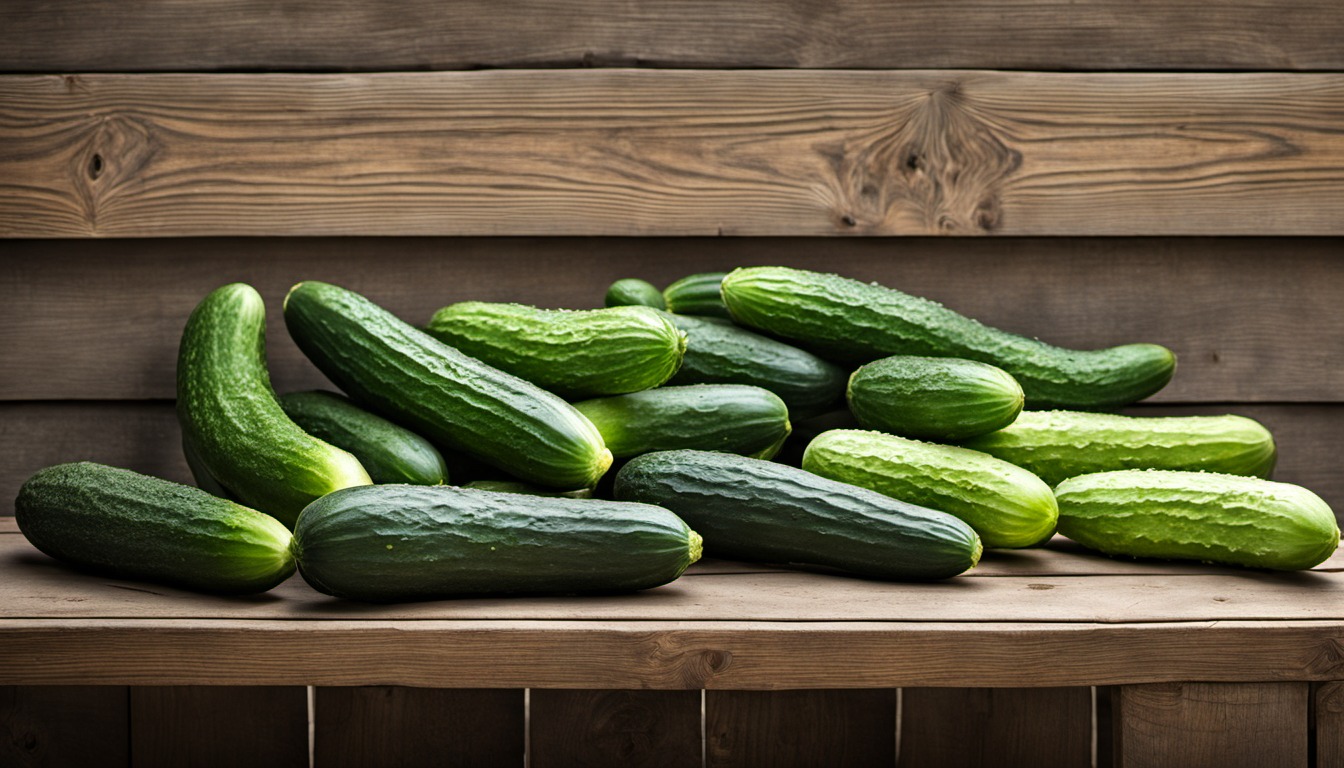
Choose the variety
Read the label for bush or vining habit, intended harvest size and maturity. Pickling and slicing varieties may be used differently in the kitchen. Reserve the mature plant’s space and install a support before roots spread; a trellis should be anchored for local wind and accessible for inspection.
Use the local crop window
Cucumbers are tender warm-season plants. Check LSU’s north or south table for the crop and planting method, along with the parish forecast and soil conditions. For a fall planting, compare the guide’s regional window and the variety’s maturity with the likely arrival of cooler weather.
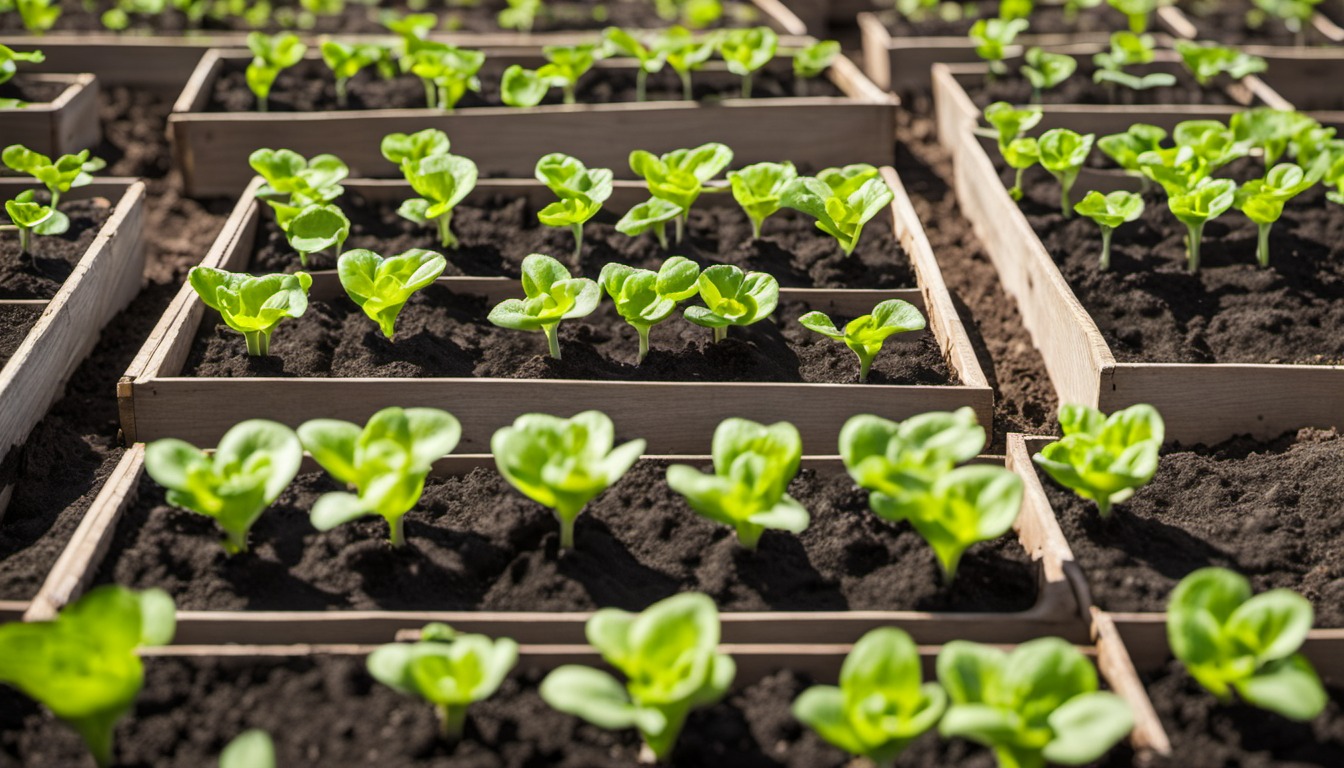
Train gently
Guide young vines toward the support and use soft, loose ties only if necessary. Check fastenings as stems thicken and fruit develops. Leave room for fruit to hang without becoming trapped, and avoid placing a tall trellis where it shades a neighboring bed unexpectedly.
Watch moisture and flowers
Keep the root zone supplied with water without leaving soil saturated. Many cucumbers need pollen transferred between flowers, often by bees, though flowering and pollination needs differ by variety. Remove insect-excluding covers when appropriate, and avoid unnecessary treatment around open flowers.
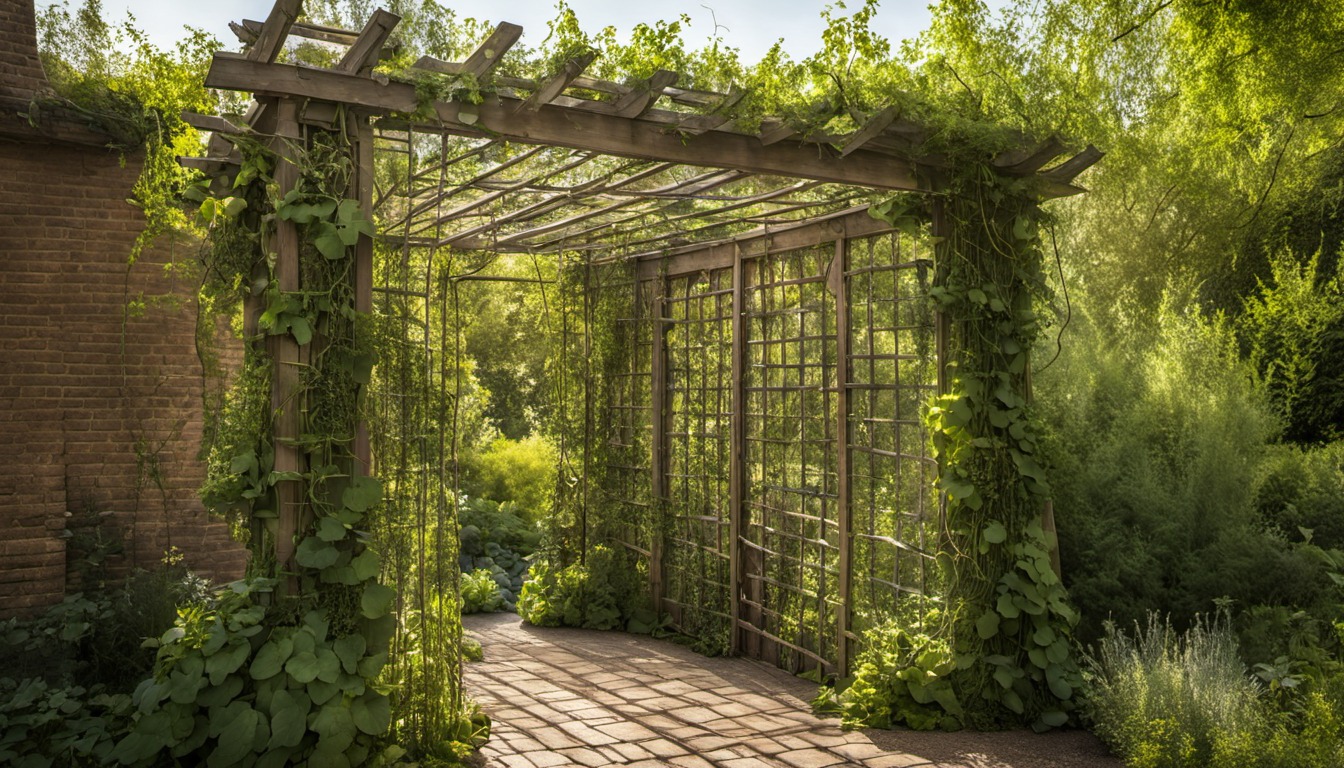
Example: a small trellis
A gardener gives a vining cucumber a narrow, stable trellis at the edge of a bed. After rain, the gardener checks the support and the soil below the surface before watering again. The crop is harvested from both sides so fruit does not hide until it is too large for its intended use.
Troubleshoot before treating
Yellow leaves or misshapen fruit can reflect water stress, incomplete pollination, pests or disease. LSU lists several cucurbit diseases, so record the pattern and seek identification rather than applying a general remedy. Remove spent plants and compare the remaining local season before starting another crop. Clean reusable ties and inspect the support before storing it.
Check the support after rain
A wet vine and developing fruit add load to a trellis. Once weather is safe, check that posts remain secure and ties have not tightened around growing stems. If a fruit becomes trapped in the mesh, adjust it gently while small rather than forcing a mature cucumber through. Compare moisture at the base with the opposite end of the bed before increasing irrigation. Label the variety and harvest stage; a picking cucumber left too long may not have the same kitchen quality as one picked at the size intended.