Louisiana garden field guide
Start a Louisiana Spring Vegetable Garden
A spring garden begins with workable soil and a realistic order of jobs. Cool-season crops, tender transplants and warm-soil seeds do not all belong in the bed on the same day.
Choose a manageable site
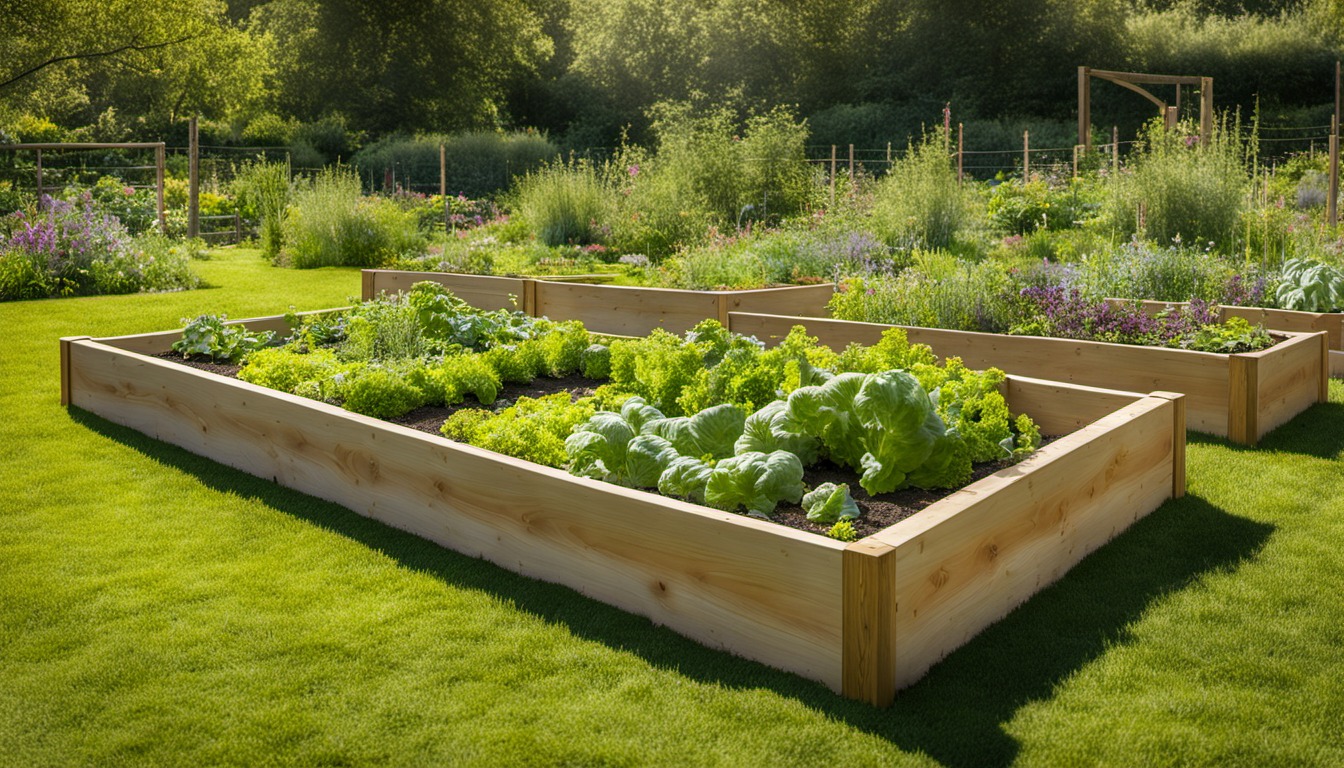
Pick a site with suitable light, dependable water and a route to reach plants after rain. Sketch mature plants and paths before buying starts. If soil is sticky and smears when squeezed, wait before digging; working it wet can create compacted clods that persist after the surface looks dry.
Use the appropriate chart
Read the LSU guide for the crop, regional column and method. Central Louisiana gardeners use the north spring column as the guide’s starting point; south and coastal sites still need local weather checks. Planting dates are ranges, not promises that a bed will be dry or a forecast will stay frost-free.
Sequence the crops
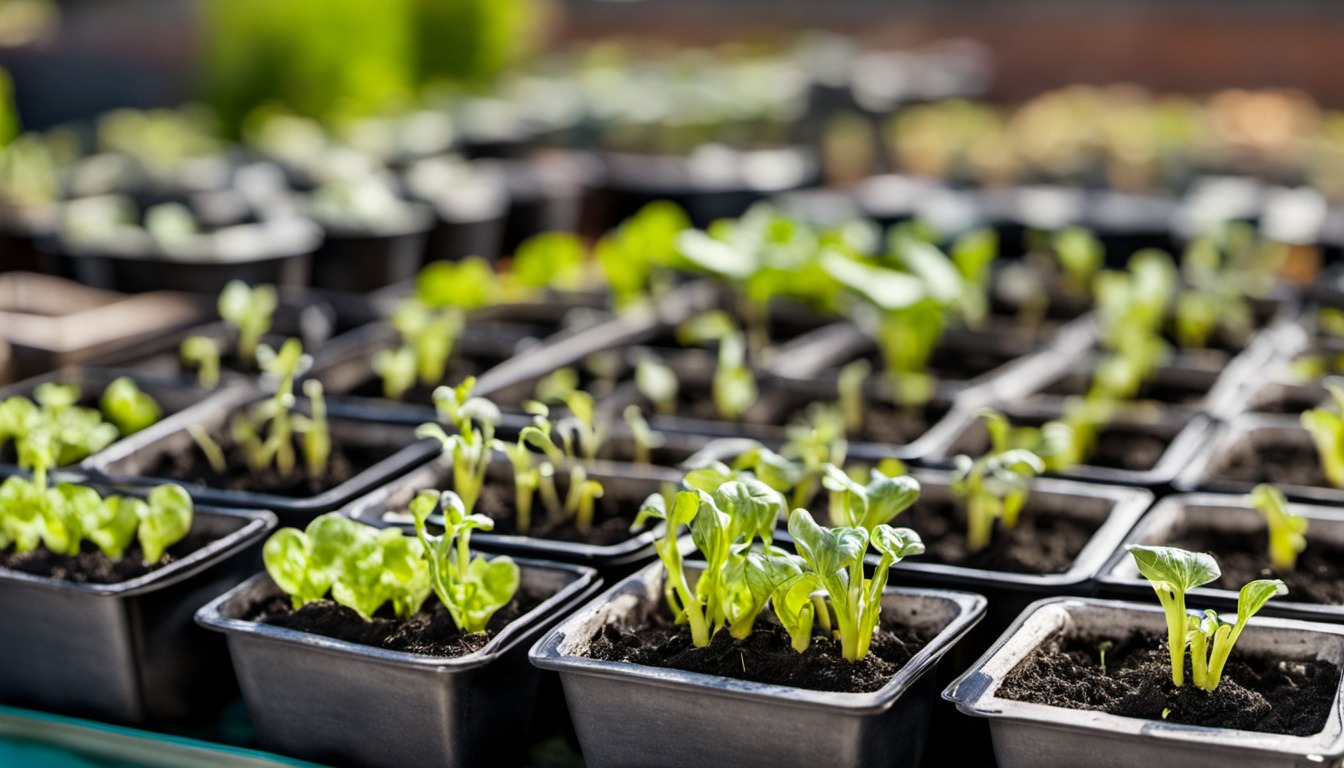
Cool-season greens can be planned separately from tomatoes, peppers and squash, which are sensitive to frost. LSU’s seasonal spring guidance discusses warm-season crops as temperatures rise, including okra and southern peas in warmer soil. Check your parish and seed packet rather than applying one month to every variety.
Prepare the bed thoughtfully
Clear weeds and spent crop material, add finished organic matter where appropriate and arrange supports before roots spread. A soil test can guide nutrients and pH instead of routine fertilizer additions. Set transplants at the correct depth for the crop, water their root balls and leave their mature spacing, not the spacing of the tiny starts.
Example: two phases in one bed
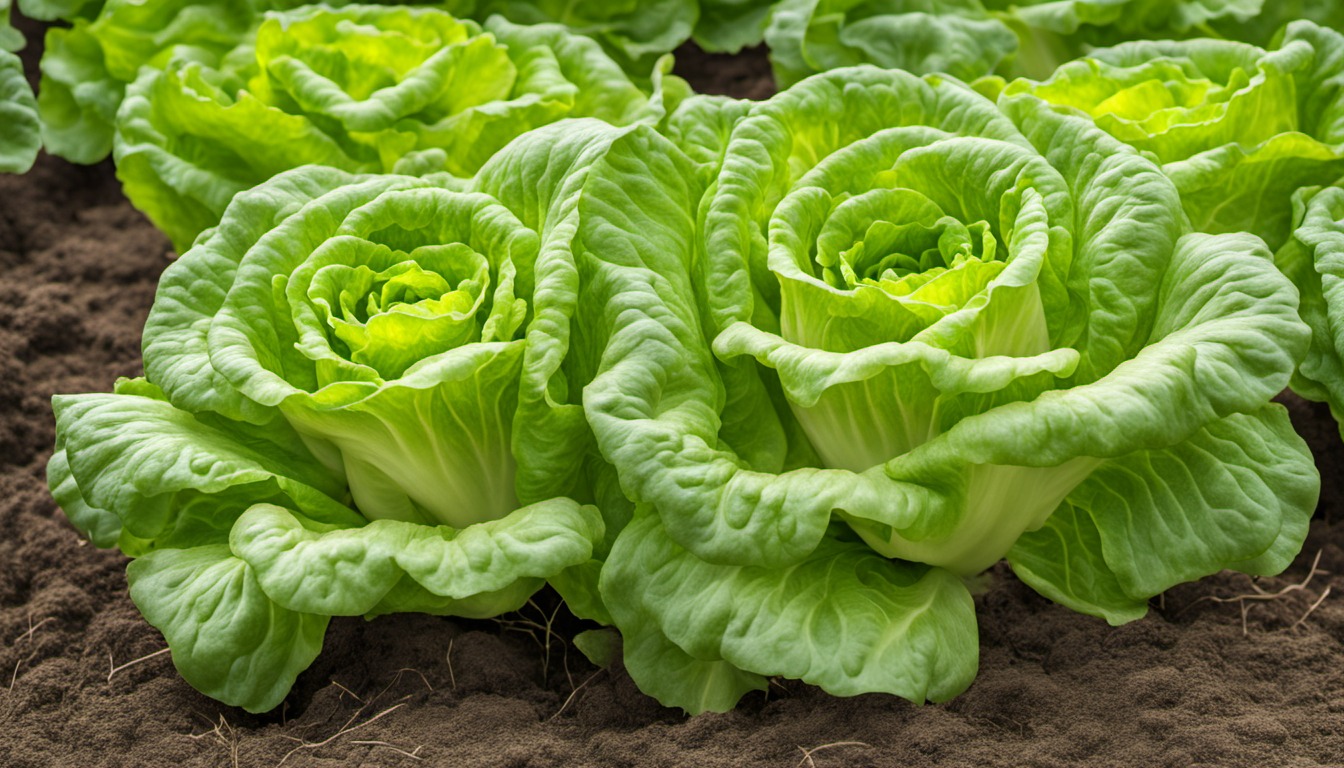
A gardener sketches a short row of lettuce and reserves the opposite end for a supported tomato. Before buying the tomato, they check the local frost forecast, LSU transplant window and the space needed for a cage. If rain delays bed preparation, the tomato stays protected and the gardener checks its pot moisture and root space.
Observe the first weeks
Check seedlings after hard rain for crusting or washed seed and inspect transplants for wind damage. Water according to the root zone rather than the date on a calendar; a wet bed and a dry root ball can occur together. Record which crops emerged and when the bed became available for the next planting.
Make a backup for wet weather
A week of rain may leave the garden unworkable just as a tray of starts is ready. Keep the plants in a protected, bright place, inspect drainage and pot moisture, and gradually expose them outdoors only when conditions allow. If they become root-bound, a suitable larger pot can bridge the delay. Meanwhile, assemble a cage or trellis and check whether the revised transplant date still fits the regional crop window. If the delay is too long, choose a variety or crop that fits the remaining season rather than compacting wet soil.