Louisiana garden field guide
Louisiana Planting Dates: North, Central and South
North and south Louisiana often have different planting windows. The LSU AgCenter table is more useful when its regional labels, crop and planting method stay attached to each date.
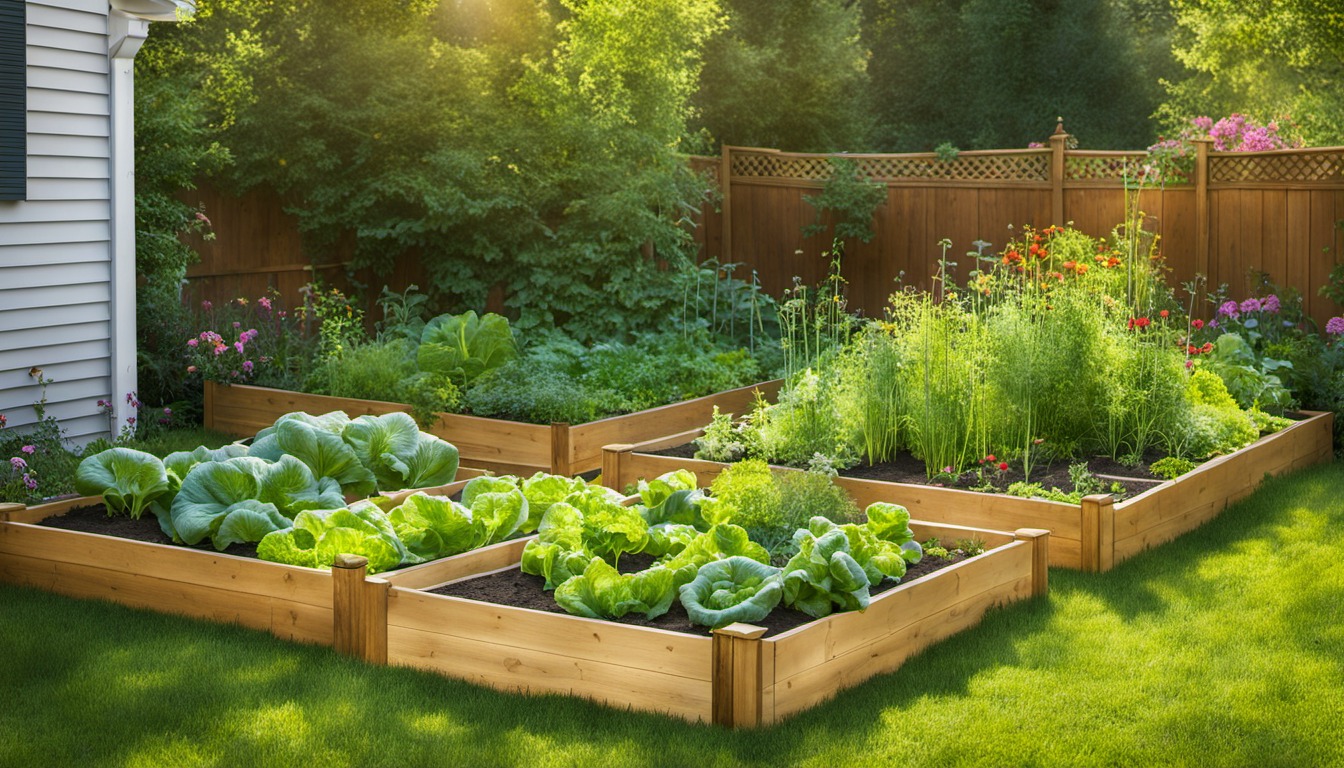
Start with your location
The LSU guide has separate north and south Louisiana columns. It advises central Louisiana gardeners to favor north dates for spring vegetables and says either regional column can help with fall crops. This is a guide rather than a parish boundary: consult your local office when elevation, exposure or a coastal site makes the fit uncertain.
Read one row at a time
Locate the specific crop, spring or fall season, and whether the entry refers to seed or transplants. Then read spacing, depth and days to harvest as part of the same row. Do not copy the first date from one region and the maturity estimate for a different planting method into a single plan.
Understand the frost example
The guide gives March 15 for south Louisiana and April 1 for central and north Louisiana as general spring frost-related planning dates. They are not guarantees for a particular yard or year. Tender vegetables need suitable weather and soil warmth; a hardiness zone and a calendar average cannot replace the next forecast.
Consider coastal conditions
The LSU publication notes that coastal gardeners may extend some fall planting and may transplant warm-season crops earlier in suitable years. That does not make a coastal date safe for all south Louisiana sites. Check the current local forecast, the crop’s tolerance and your parish guidance before choosing an earlier date.
Example: two tomato plans
A gardener in a central parish and another near the coast both want tomatoes. Each begins with the appropriate LSU column and a transplant variety’s maturity estimate. They then check soil drainage, available support and the forecast separately. If a cold or wet spell delays one bed, the other garden’s earlier date is not proof that moving plants outdoors is safe.
Put the source on the calendar
Label each entry with the region, crop, method and source edition. Add the actual planting and first harvest dates when they happen. If weather keeps the job from fitting the original window, compare a shorter-season option or another crop rather than silently transferring an unrelated table’s dates.
Keep the table’s boundaries visible
Suppose a gardener in central Louisiana finds an early coastal transplant example online. They label it coastal, compare it with the north spring column that LSU recommends for central gardens, and then check the local forecast. The two sources answer different questions and should not be merged into a new statewide date. For a fall crop, they consider either north or south column as LSU suggests, then ask the parish office about a local exposure or flooding concern. Record the chosen source and actual result so next season’s calendar preserves the distinction.