Louisiana garden field guide
Start Vegetable Seeds for a Louisiana Garden
Starting seed offers variety choice, but the best start is timed for a real outdoor planting window. Some crops transplant well; others are better sown where they will grow.
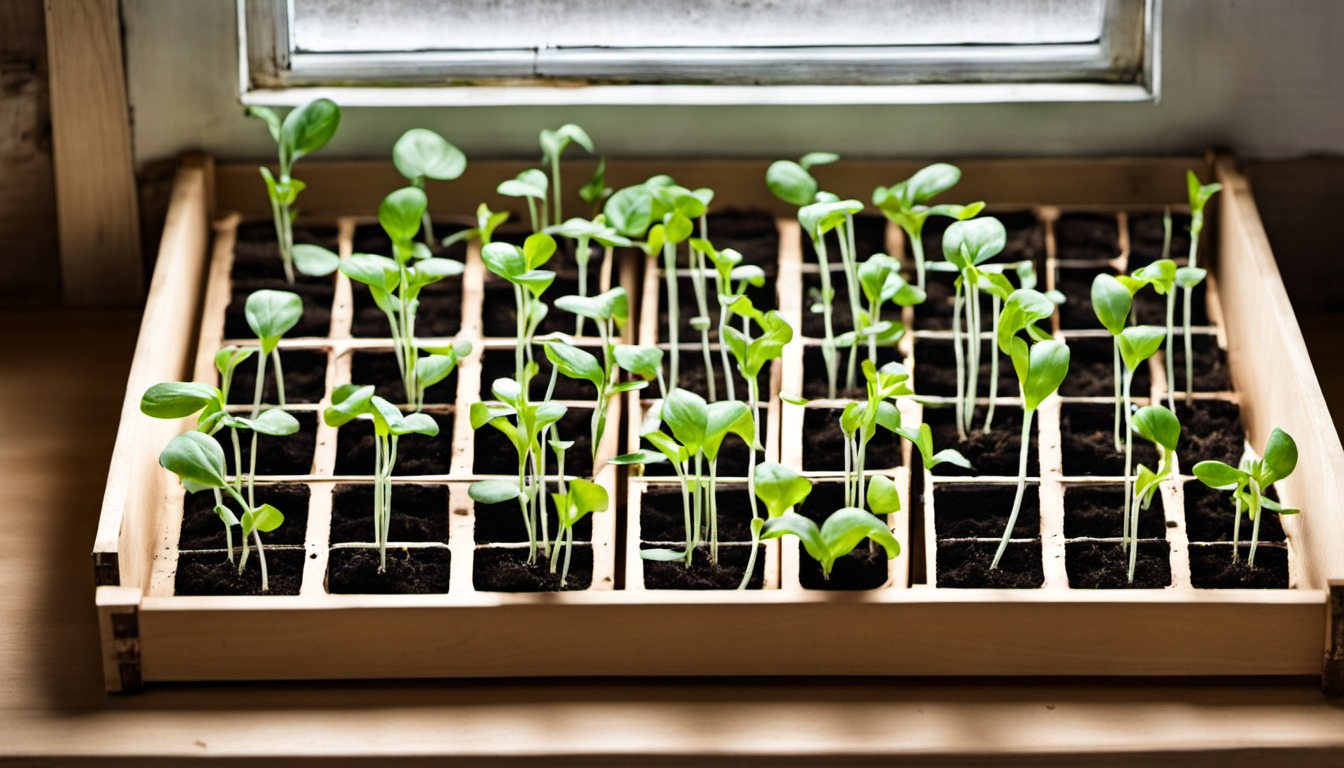
Work backward from planting
Select a crop and locate the appropriate north or south Louisiana window in the LSU guide. For central spring gardens, use the north column as the publication’s starting point. Count back using the seed packet’s indoor growing period, then add time to harden starts gradually before moving them outdoors.
Choose the method
Check whether the crop is normally direct seeded or transplanted. Tomatoes and peppers are commonly set out as transplants; many warm-season crops can be sown directly once conditions fit. Avoid disturbing sensitive roots unnecessarily, and keep the method attached to the date and maturity estimate on the plan.
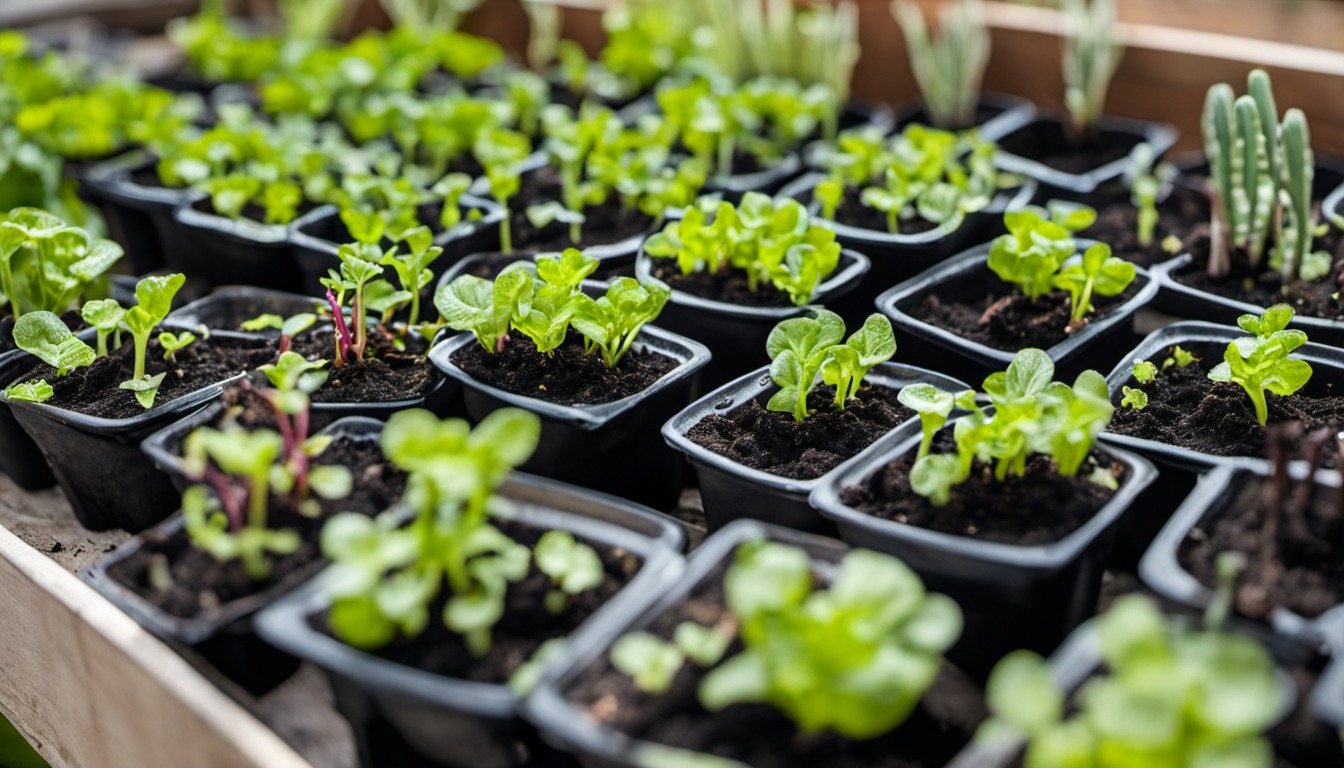
Give seedlings a steady start
Use clean containers with drainage and a suitable seed-starting mix. Follow packet depth and temperature guidance, and provide enough light once seedlings emerge. Check moisture regularly without leaving cells saturated. Label the variety and sowing date so a second tray or later sowing is not confused with the first.
Harden plants gradually
Before the planned outdoor move, increase exposure to wind and sun gradually while protecting tender starts from damaging cold. Small cells can dry quickly outdoors, so check both before and after each outing. Bring plants to shelter if the forecast is unsuitable rather than treating hardening off as proof they can survive a freeze.
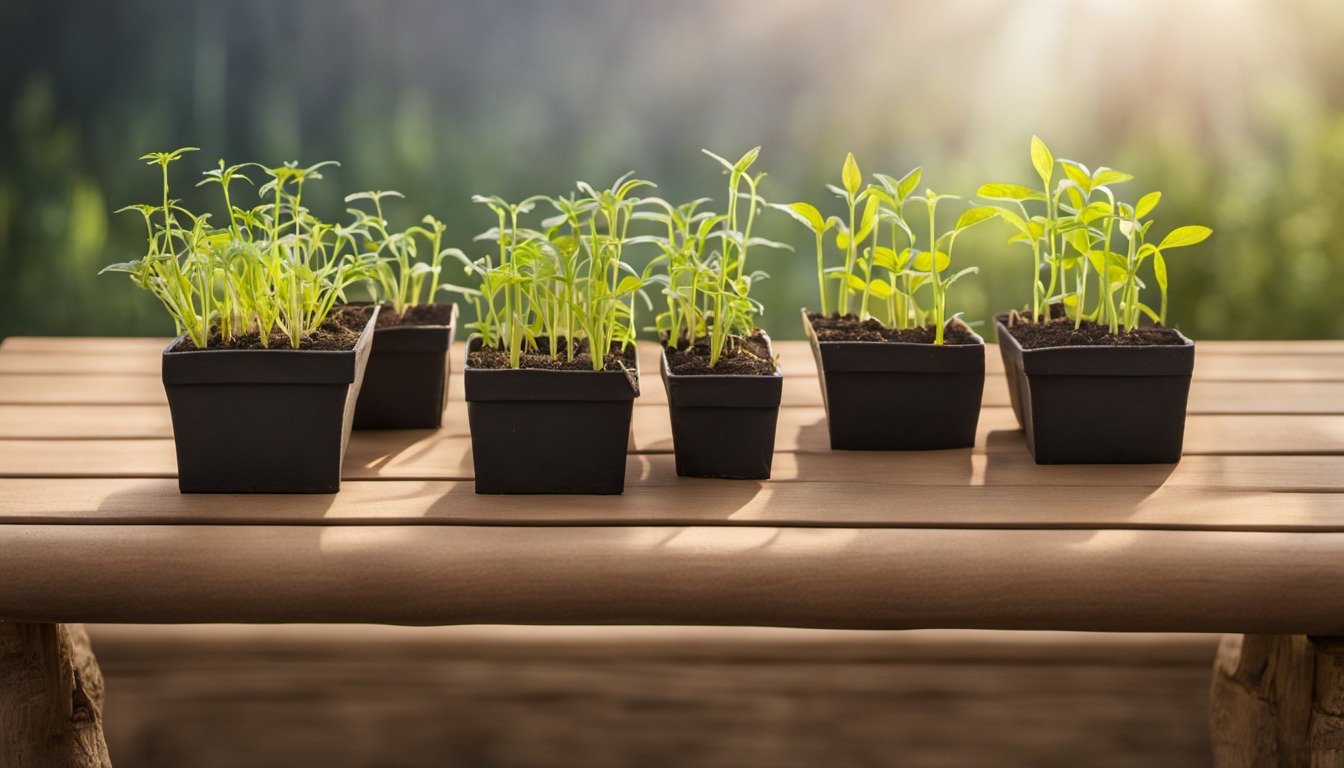
Example: a delayed bed
A tomato tray is ready but a wet spell leaves the garden soil sticky. Wait until the bed is workable and protect the plants in their pots. If roots are crowded, consider a larger container temporarily. Recheck the local planting window and forecast instead of forcing transplants into compacted mud.
Plan for fall too
Fall vegetables may be started while weather is still hot. Keep a plan for shade, water and the bed they will occupy, and check LSU’s fall crop and method. Record emergence and transplant dates so the next season’s indoor start is based on both the packet and the space actually available.
Plan the handoff to the bed
A tray is successful only if its plants have a place to go when they are ready. Put the expected transplant date beside the bed’s current crop and the local LSU window. If the bed is still productive, reserve a second space or reduce the number of starts. During hardening off, increase outdoor exposure gradually and bring plants in for damaging cold or wind; small cells can dry quickly. Label each variety and sowing date, then compare the actual move with the plan before changing next season’s start date.