Louisiana garden field guide
How to Test Soil for a Louisiana Vegetable Garden
A soil test turns a guess about garden fertility into a question a laboratory can answer. The value depends on collecting a sample that actually represents the area you intend to manage.
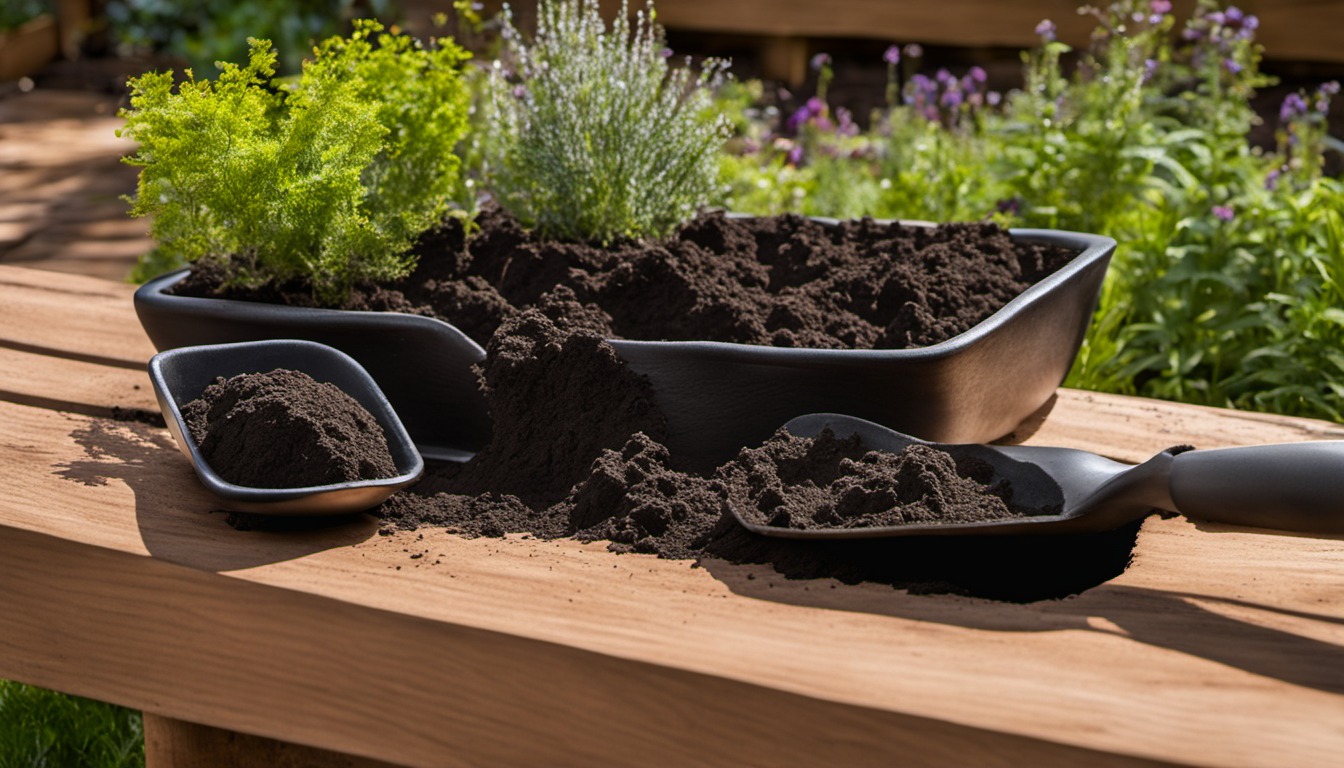
Choose a consistent area
Separate beds that have received different treatments or have visibly different soils. Avoid sampling an unusual spot such as a compost pile or a fertilizer spill as if it represented the entire garden. Your parish Extension office or the lab can explain how to package and label each area.
Follow sampling directions
Use clean equipment and follow the current laboratory instructions for depth, number of subsamples, drying and amount. Mix representative portions as directed and label the bag with the bed and date. Do not use a container that held chemicals or fertilizer; contamination makes the report less useful.

Read the report in context
Ask the lab or parish educator what the result means for a vegetable bed and the units shown. A pH result and a nutrient recommendation answer different questions. Avoid adding lime, sulfur or a high-analysis fertilizer simply because another gardener used it; the right amount depends on your sample and local conditions.
Use a practical plan
Record the report beside a sketch of the bed, the crop and any amendments applied. If the recommended material is unfamiliar, confirm its label and application instructions. Finished compost can help soil structure, but it is not a reliable substitute for knowing nutrient needs or for repairing poor drainage.
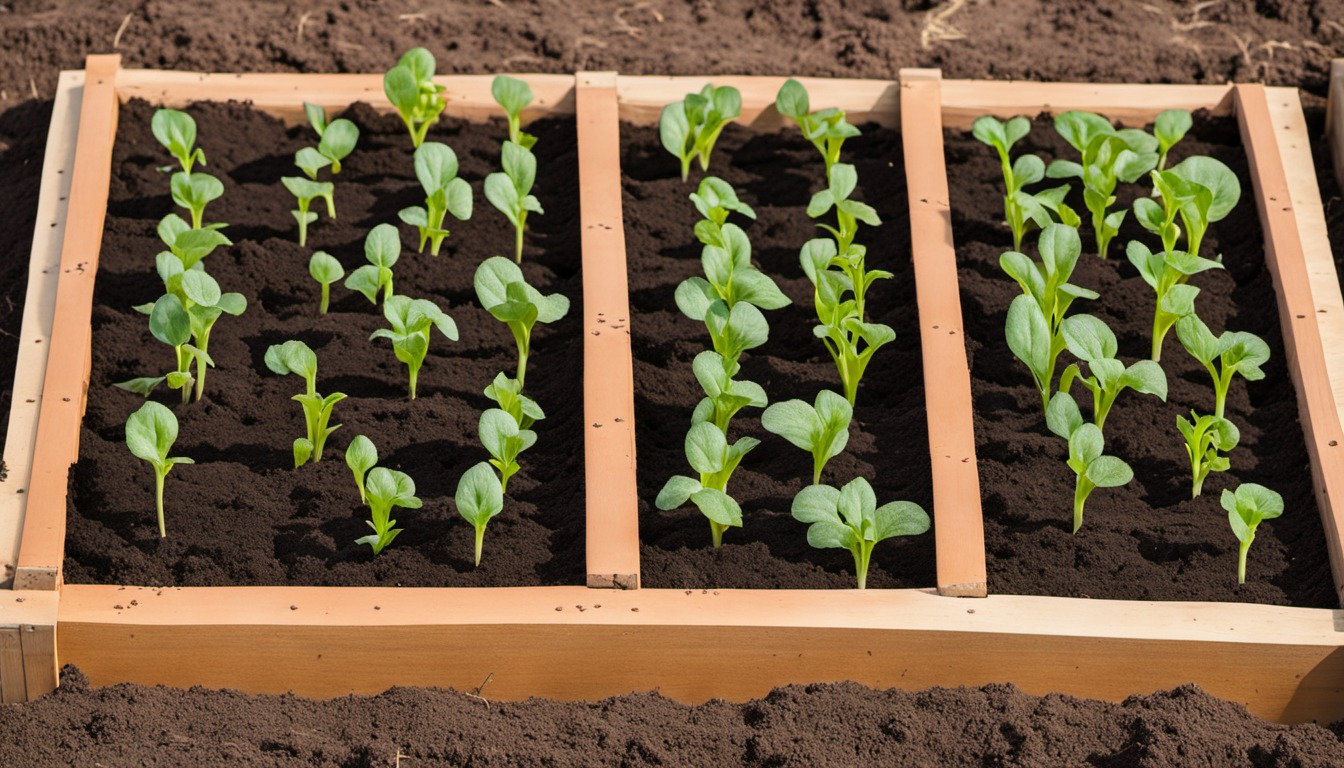
Example: two different beds
One bed was filled with purchased mix and the other is native soil amended over several seasons. Sample them separately if the lab recommends it. A single blended sample could hide a difference that matters to a planting decision. Compare the results before making the same addition to both beds.
Retest when useful
Keep the sample date and changes made after testing. Recheck according to the lab or parish office’s guidance, especially if the bed has been substantially amended. A persistent symptom can also involve water, roots, pests or disease; a soil test is one part of diagnosis rather than proof of every problem.
Keep a sampling record
On a bed sketch, mark which locations contributed to each sample and when it was collected. Keep a separate label for a raised bed with different purchased fill. Ask the parish office for the current lab form and sampling directions before collecting; a clean tool and the correct depth matter more than an elaborate kit. When the report arrives, retain the units and recommendation with the record. If you apply an amendment, note the actual material, amount and date so a future test can be interpreted against what changed.