Louisiana garden field guide
Grow Southern Peas in Louisiana
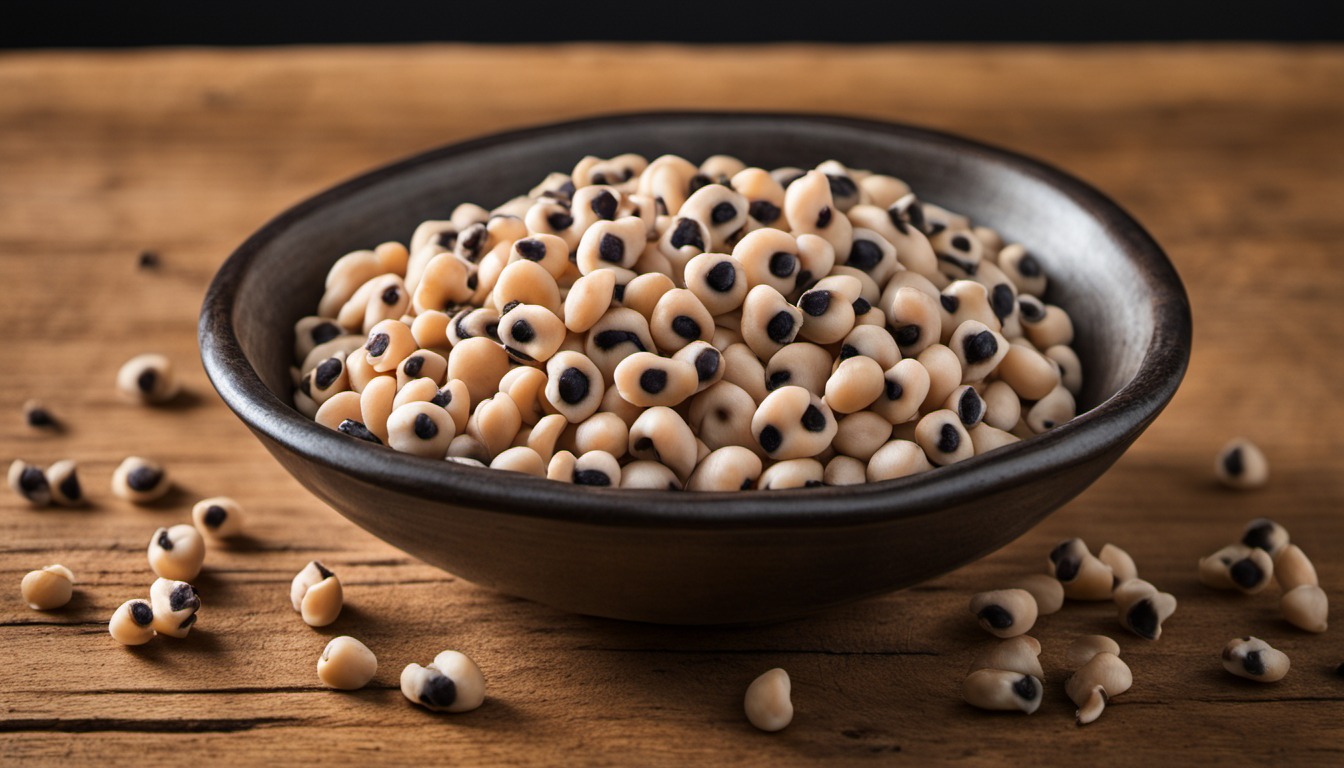
Southern peas, also called cowpeas or field peas, include blackeyes, crowders and other types. Select the kind you enjoy and plan for its habit and the harvest stage you want.
Choose a variety
LSU describes several southern pea types and recommended cultivars for Louisiana. Read the packet for plant habit, days to maturity and whether the peas are intended for fresh shelling or another use. A spreading vine needs a different footprint from a compact bush, so sketch space and access before sowing.
Use a warm-season window
Southern peas need warm conditions. Consult the appropriate LSU north or south crop window and your parish forecast; the spring guide places them among crops to sow when soil is truly warm. A warm afternoon alone does not show that the seed zone has warmed or the bed has drained after rain.
Prepare the row
Avoid working soil that smears. Follow the seed packet and LSU guidance for depth and spacing, and mark the sowing date. Keep the seed zone moist during emergence without leaving it saturated. Install a support early if the chosen variety needs one and leave a route to pick mature pods.
Watch growth and moisture
Check the soil beneath the surface during establishment and flowering. Excessive lush growth does not always mean more harvest; LSU notes that fertility left by a previous crop can influence the next one. Use a soil test and local guidance rather than adding nitrogen automatically whenever vines look slow.
Example: after spring greens
A gardener clears a short lettuce row when it finishes and checks whether the southern pea window is still open for the parish. They choose a compact variety, mark the sowing date and keep a path alongside the row. If wet soil delays preparation, they recheck the window rather than sowing into mud.
Harvest and record
Pick pods at the stage intended for the variety and keep up with the harvest so quality does not decline. Inspect plants for changing damage and identify pests before treatment. Record the variety, emergence and picking period to decide whether the same crop deserves space after next spring’s greens.
Choose the harvest you want
Before sowing, decide whether the selected variety is intended for the stage you prefer and how much time you have for picking and shelling. Divide a small space into clearly marked sowings only if each date remains within LSU’s local window. Compare emergence and harvest between the rows, then keep the more useful plan for next year. A previous crop’s fertilizer and irrigation pattern can influence growth, so note the bed’s history and consult a soil test instead of adding nutrients automatically.