Louisiana garden field guide
Grow Okra in Louisiana
Okra is a familiar Louisiana summer crop. A short row can be productive when the gardener allows for its mature height and checks the pods regularly.
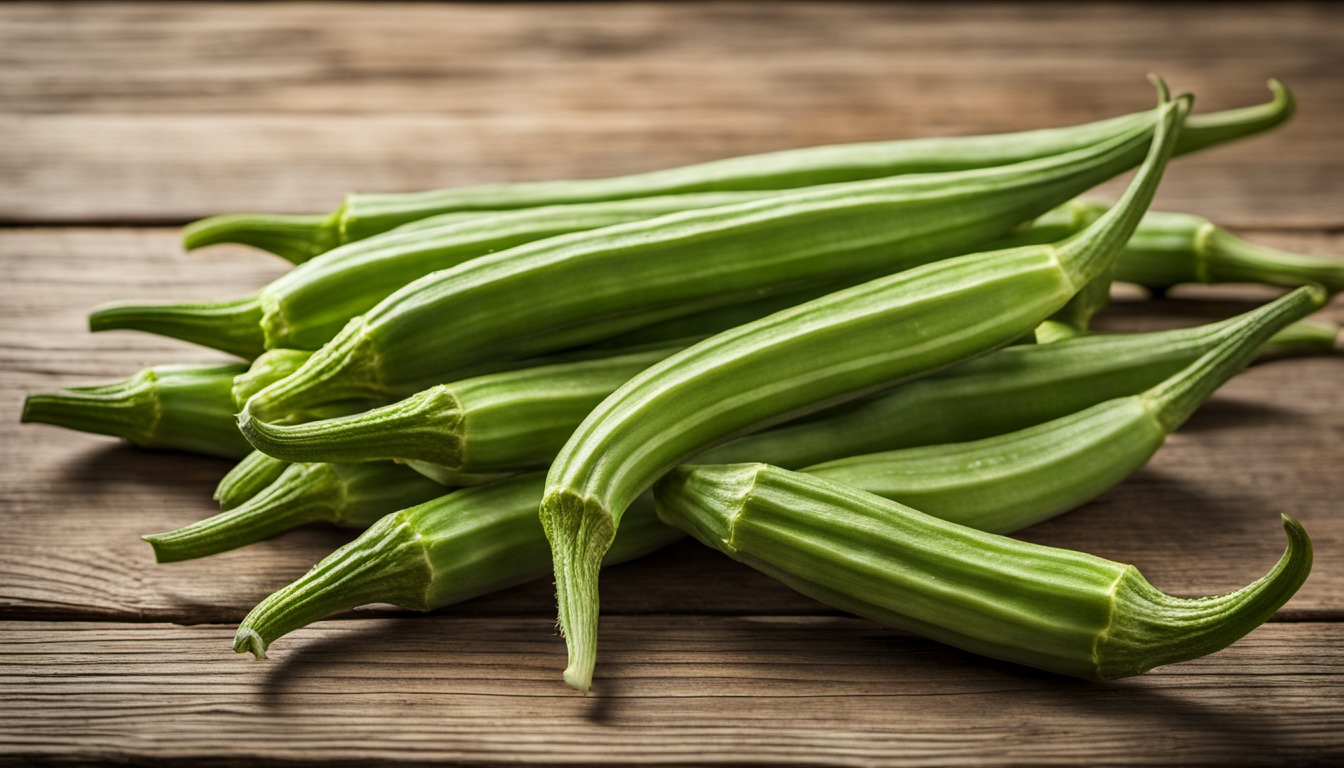
Wait for warm conditions
LSU describes okra as a heat-loving crop and includes it among warm-soil vegetables. Use the local planting guide and the seed packet rather than treating one statewide date as certain. Cold, saturated soil can delay emergence; wait until conditions fit and the garden can be worked without compaction.
Reserve enough space
Read the variety’s mature height and spacing before sowing. Put a taller row where it will not unexpectedly shade shorter vegetables, and leave a path for picking. LSU’s okra guidance discusses thinning young plants; use the packet and local chart to decide the arrangement for your variety.
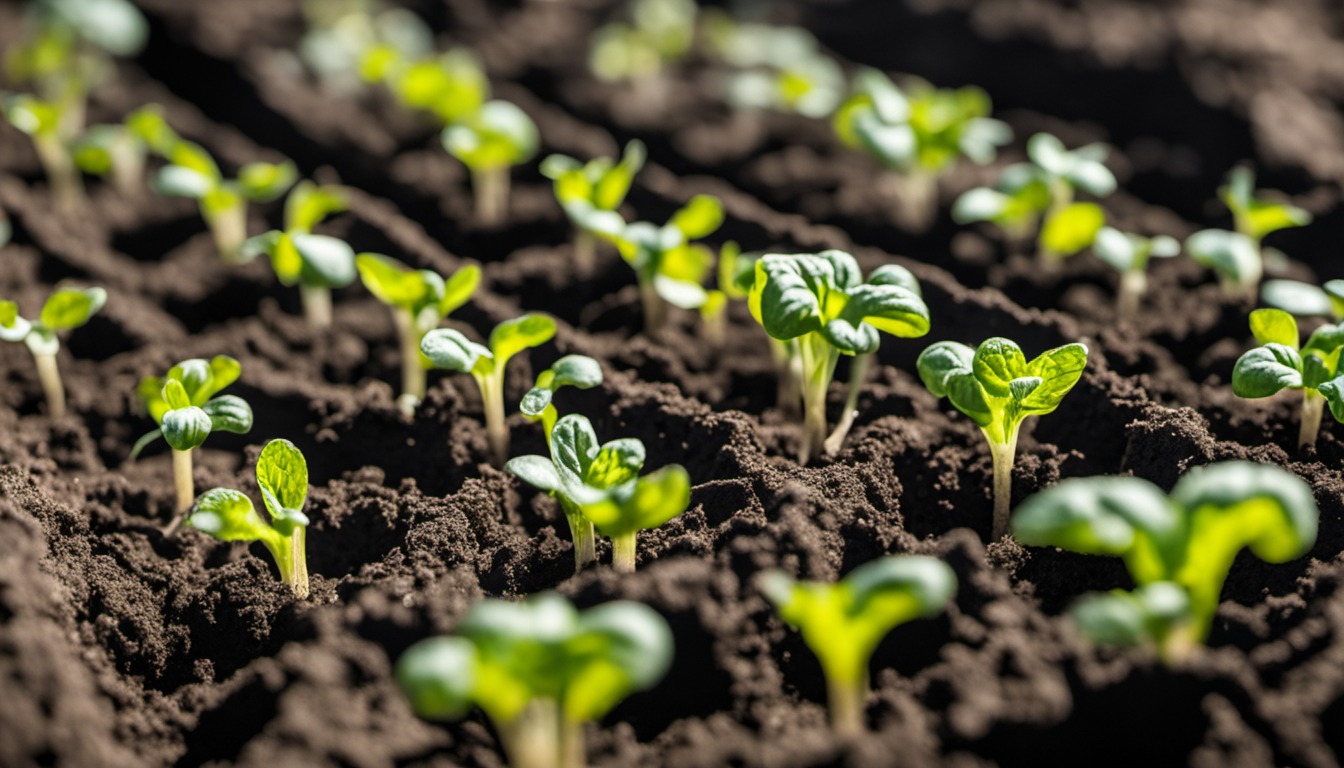
Establish the row
Sow at the recommended depth and keep the seed zone evenly moist without leaving it saturated. Mark the date and variety. Once plants establish, check the deeper root zone and mulch appropriately. A seedling that fails to appear may reflect depth, temperature, moisture or seed condition, so inspect before resowing.
Harvest while tender
Check plants frequently once pods form and cut them at the size recommended for the variety. Oversized pods can become tough. Gloves and long sleeves may help with plant irritation; use a cutter rather than pulling stems. Keep an accessible route so a productive row does not become difficult to manage.
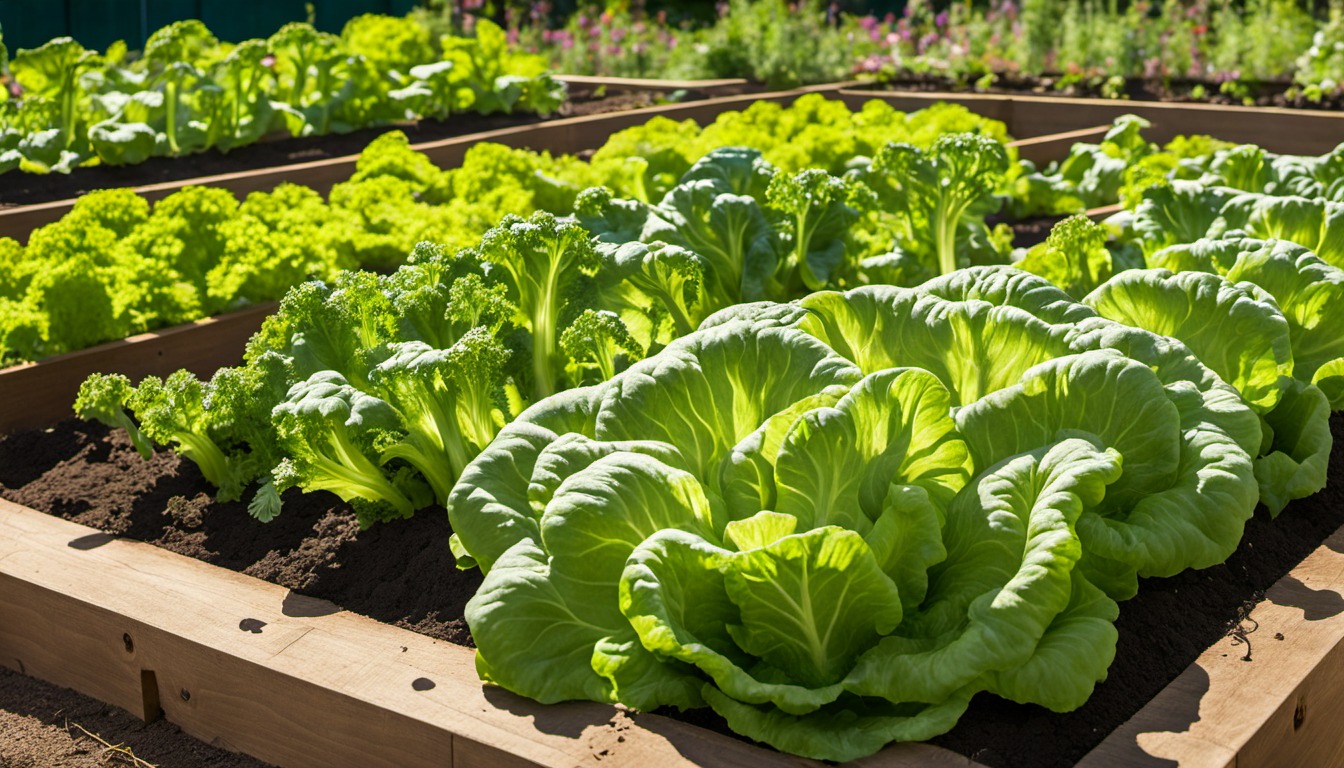
Example: a first row
A gardener wants okra beside a bed of greens. They check the mature height and move the row to the side that will not shade the greens. After emergence, they thin according to the chosen spacing and note when the first tender pods are ready; the interval helps plan future harvest checks.
Watch plant health
Inspect new growth and leaves for changing damage, and identify the cause before using a treatment. Soil moisture, pests and disease can produce different problems. Ask parish Extension about uncertain symptoms and follow current product labels if a control is necessary; avoid unnecessary treatment around flowers and pollinators.
Set a realistic picking interval
Once young pods appear, check the variety’s recommended picking size and schedule frequent visits. A pod that becomes woody is a cue to shorten the interval, not proof that the entire planting is unsuitable. Wear protection if plant hairs irritate your skin, and keep a clear path so mature stalks can be reached safely. Record sowing, emergence, first flowers and first harvest. If a row emerged unevenly, compare soil warmth, depth and moisture before resowing, and check whether the remaining local window still fits the crop.