Louisiana garden field guide
Use Compost in a Louisiana Vegetable Garden
Finished compost can help build a workable garden bed, but it is not a universal cure for drainage, pests or nutrient problems. Start with the condition of the site and the material itself.
Understand its role
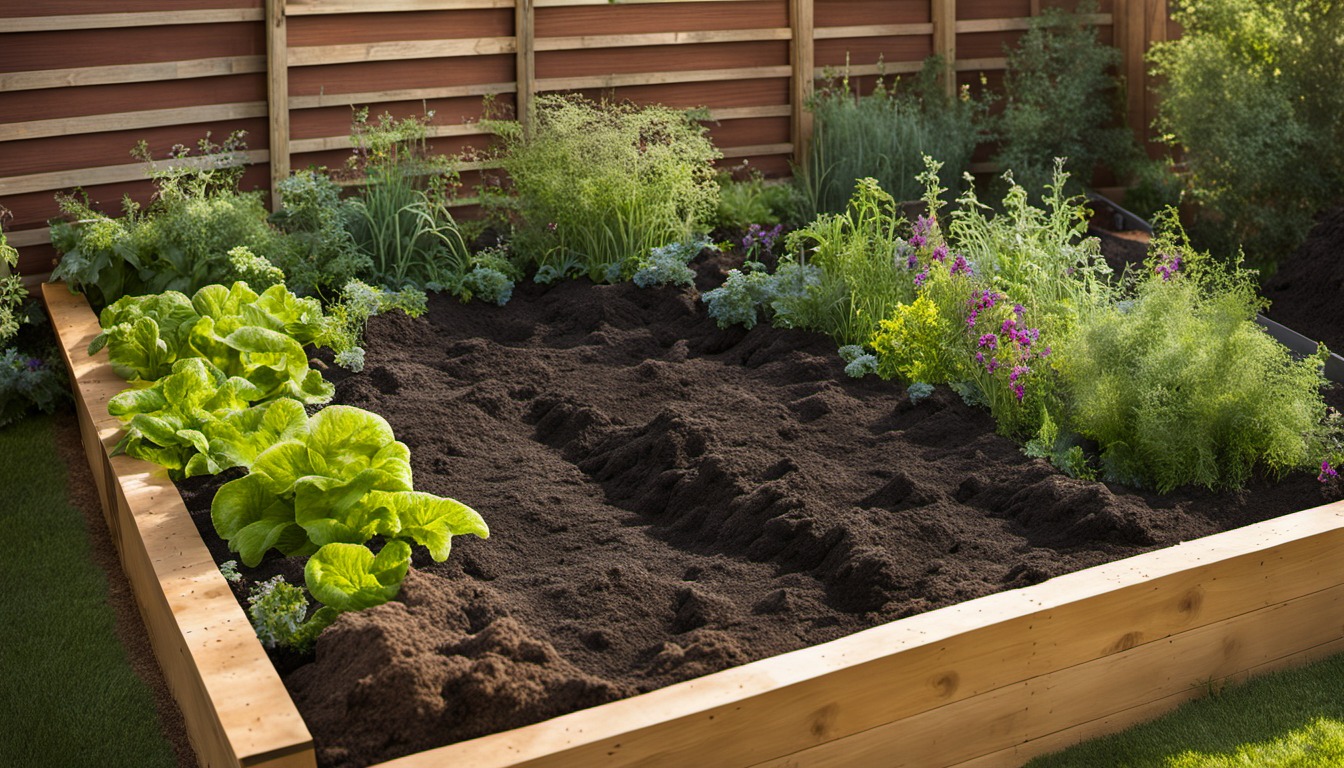
LSU’s home-garden disease guidance explains that organic matter can improve soil structure, moisture retention and biological activity. Those benefits do not make every compost identical. Materials, maturity and nutrient content vary, so use a trusted source and ask what went into a purchased product.
Choose finished material
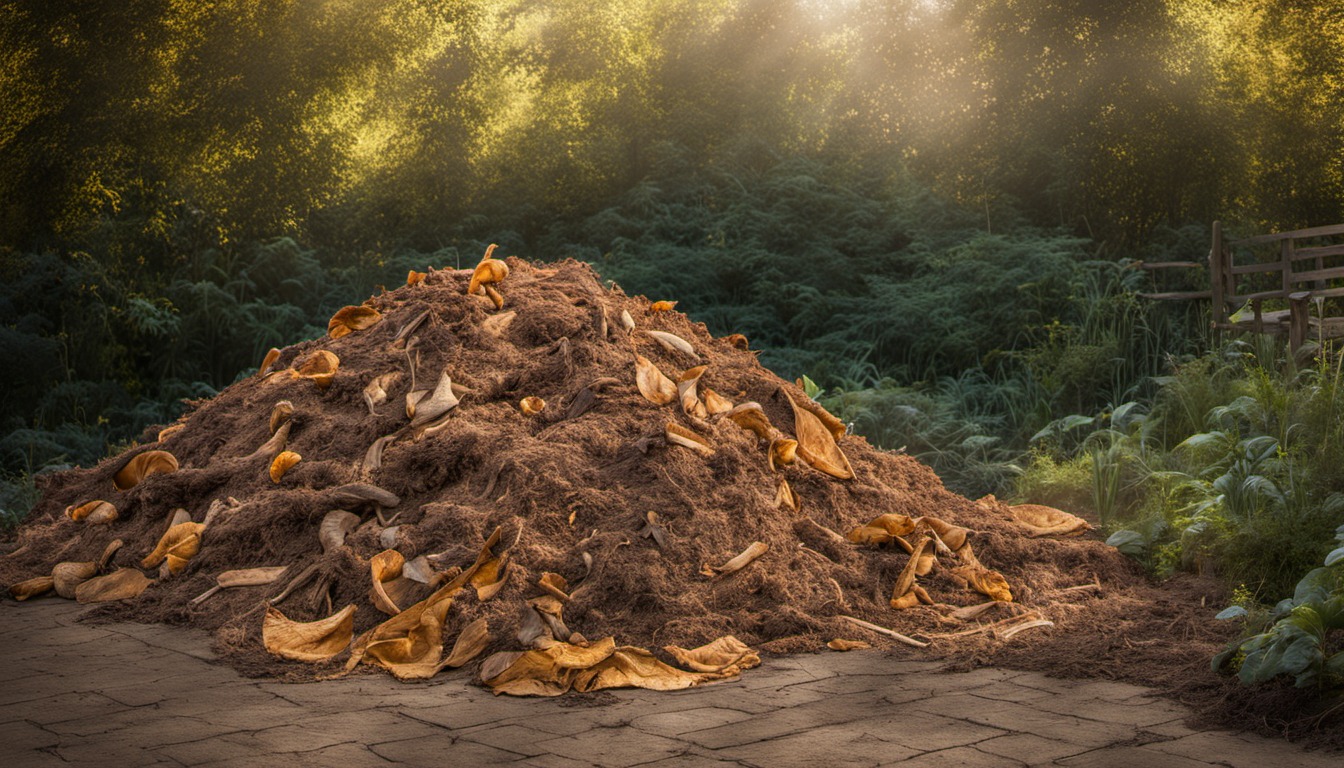
Finished compost should be well decomposed and suitable for a vegetable bed. Avoid adding material of unknown origin, potentially herbicide-contaminated clippings or immature waste directly around tender plants. Follow local guidance for manure-based products and do not assume a backyard pile has reached a temperature that eliminates every pathogen.
Use a soil test
A soil report can help determine pH and nutrient needs before repeated amendments. Keep a sample representative of the bed and ask the parish Extension office how to interpret the result. Compost contributes organic matter, but its nutrient concentration is variable and it should not be treated as a precise fertilizer formula.
Apply without compacting
Prepare soil only when it crumbles rather than smears after rain. Add finished material in the manner and amount recommended for the bed and crop, keeping tender stems clear. Define paths so the improved soil is not repeatedly compressed by foot traffic during planting or harvest.
Example: two beds
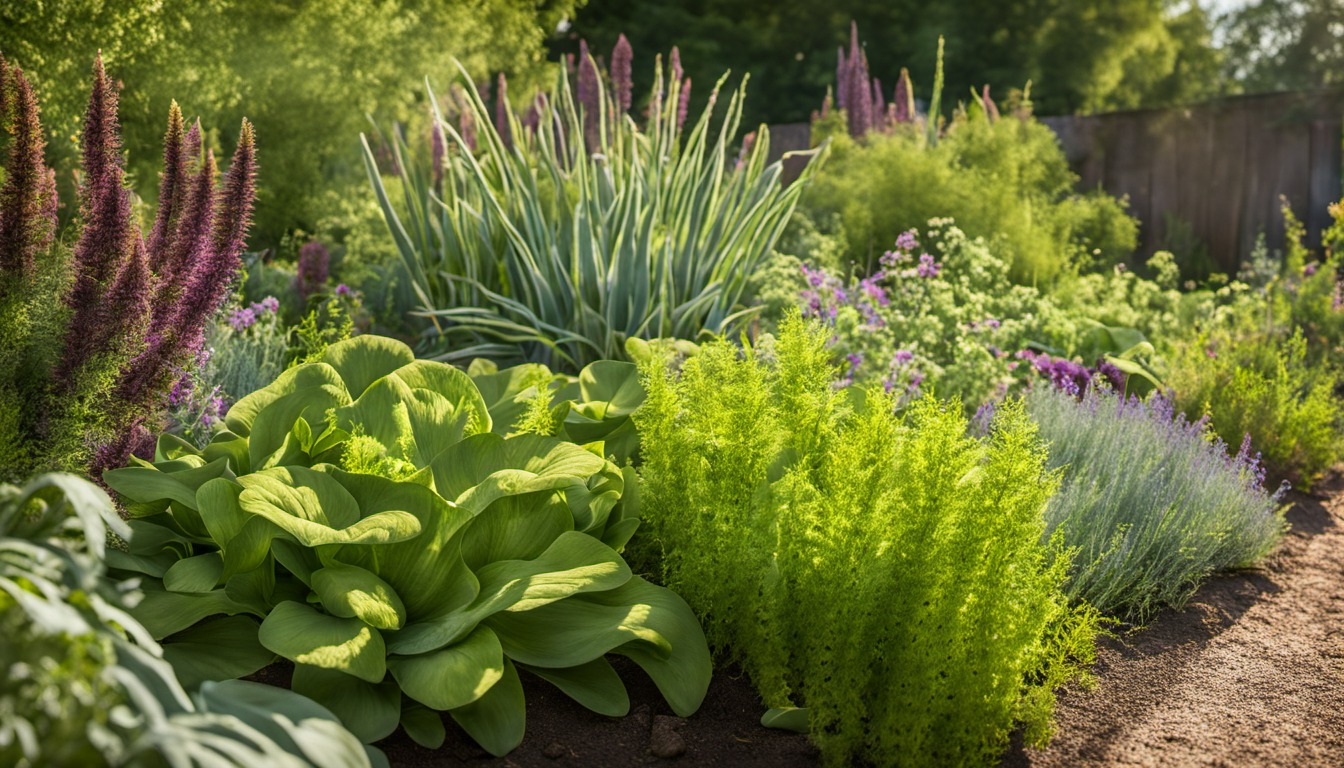
A gardener maintains one native-soil bed and one raised bed with purchased fill. They sample and record the beds separately because their histories differ, then add compost only where it is useful. If one area remains waterlogged after rain, the gardener investigates runoff and drainage instead of endlessly adding compost.
Keep the record
Write down the source, amount and date of additions, along with crop response and the soil-test result. Reassess after a season rather than making several changes at once. If floodwater enters the garden or compost area, ask local Extension about safe recovery and follow LSU’s produce guidance.
Check the material before spreading
Ask what went into a purchased compost and whether it is finished and intended for garden use. For homemade material, avoid adding questionable clippings or assuming that a pile of unknown temperature has treated every pathogen. Keep compost away from tender stems and incorporate or apply it according to the bed’s needs. If a low spot remains wet, trace drainage before adding more material. Record the source and amount, then compare the soil test and crop response at a later date; several simultaneous changes make results hard to interpret.