Louisiana garden field guide
Garden in Louisiana Clay Soil Without Compaction
Clay can hold water and nutrients, but a wet clay bed is easily compacted. Begin by observing drainage and managing traffic before reaching for an amendment.
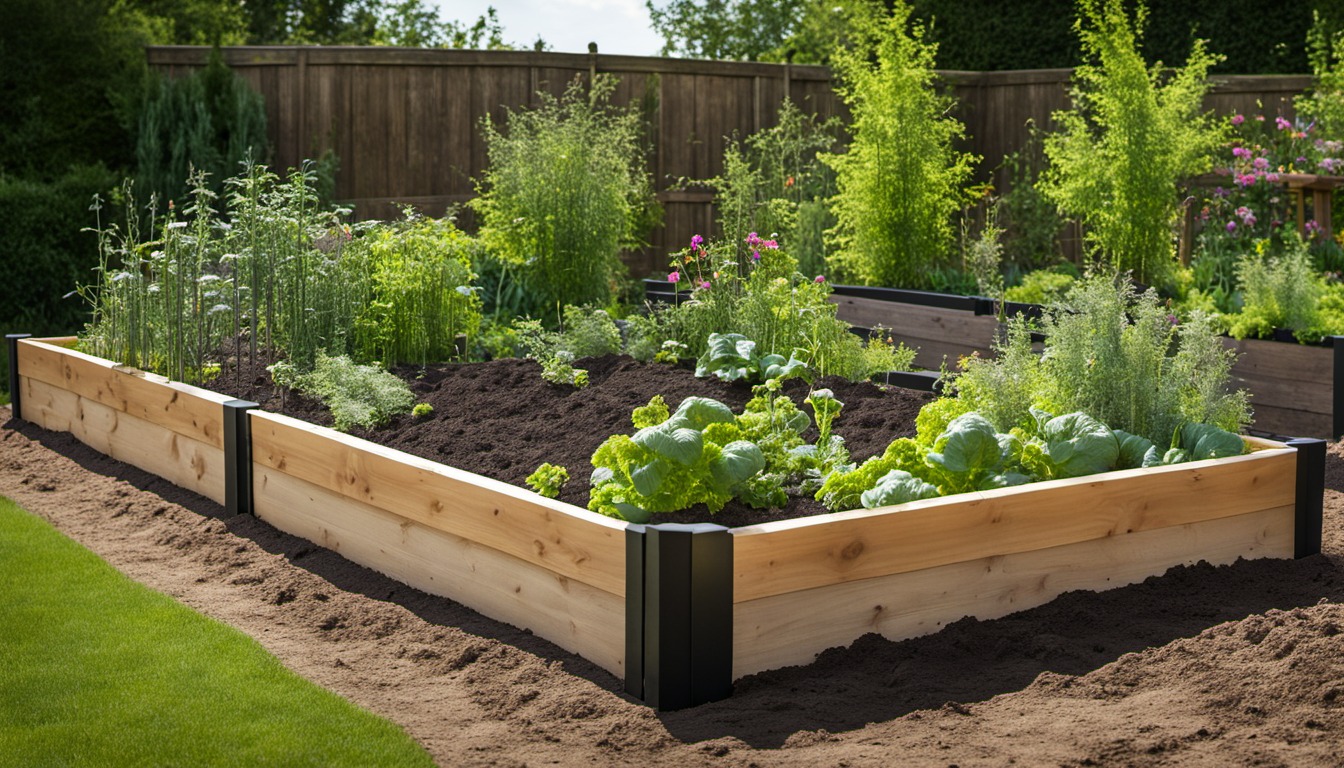
Wait for workable soil
Take a small handful from the intended working depth. If it smears and sticks together, delay digging until it crumbles more readily. Walking repeatedly on a wet bed compresses pore space as well; permanent paths and a bed narrow enough to reach from the sides reduce that pressure.
Observe drainage
After a safe rain, note where water collects and how long the surface remains wet. Check whether runoff from a roof or path enters the bed. A raised bed can improve the planting surface and access, but it cannot make floodwater safe or guarantee that water will leave a poorly drained site.
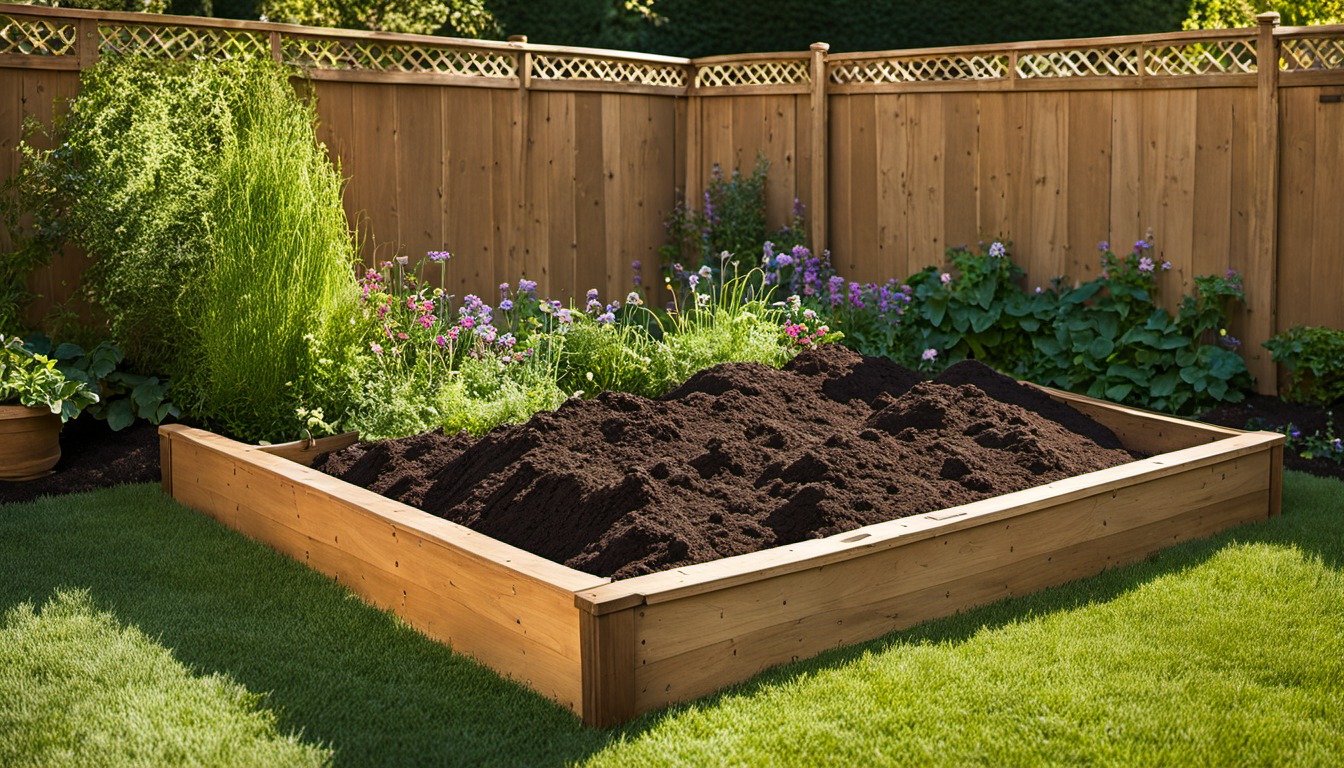
Add organic material thoughtfully
Finished compost can improve structure over time. Use it according to a soil test and local advice rather than assuming that more always helps. Avoid mixing small amounts of sand into heavy clay as a universal fix; the materials and proportions matter, and compaction or a drainage source may be the real issue.
Protect the surface
A suitable organic mulch can reduce surface erosion and moisture swings once seedlings are established. Leave stems clear and avoid smothering a seed row. Keep paths defined, and check soil below the mulch before irrigating; the surface and the root zone do not always dry at the same rate.
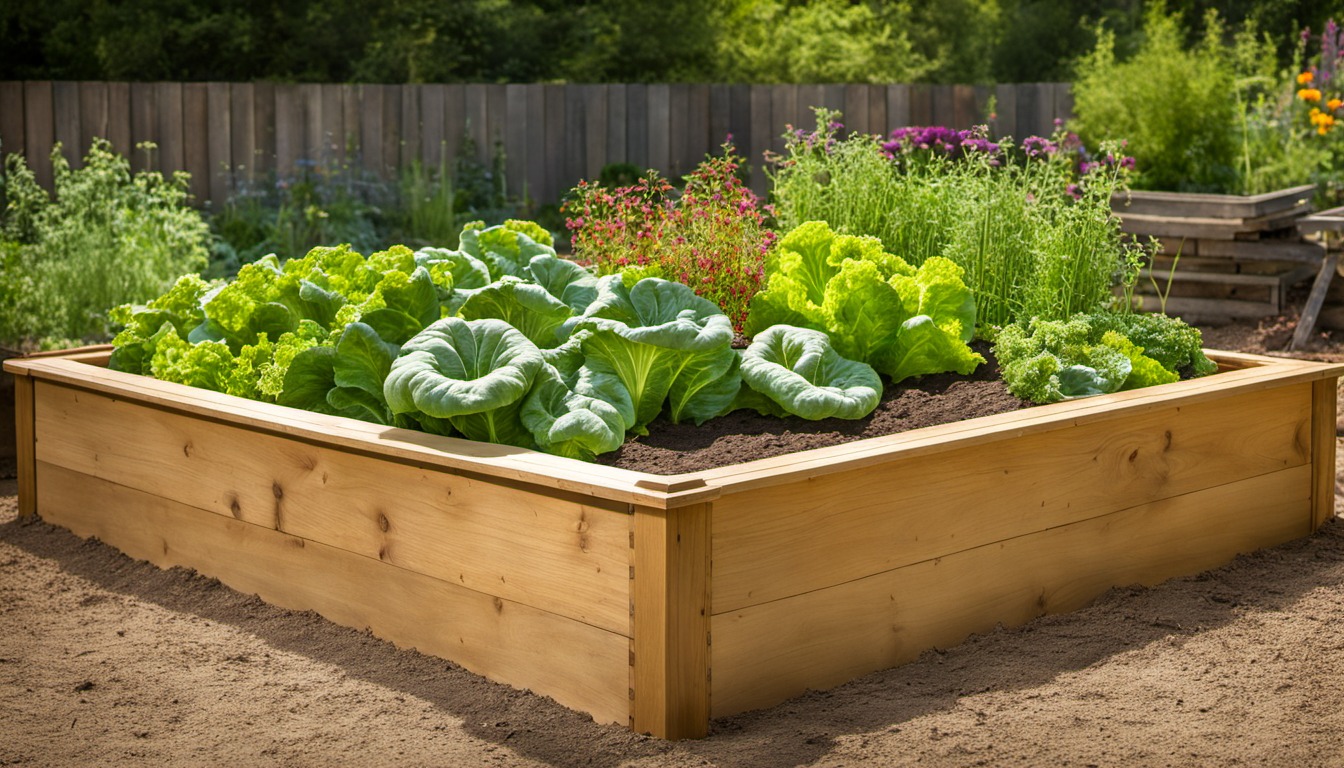
Example: a wet bed edge
A gardener finds one side stays wet after rain while the other becomes workable. Instead of tilling the whole bed, they trace a downspout and move the next planting to a better-drained place. They record the location and ask a local professional about persistent runoff before investing in a major bed reconstruction.
Let roots guide the plan
Plant a small trial after conditions improve, leaving adequate spacing and a route for harvest. If plants struggle, inspect roots, drainage and the soil report before adding fertilizer. Compare notes across seasons: the goal is a bed that can be reached, watered and replanted without repeatedly working saturated soil.
Compare a path and a bed
After a safe rainy period, compare a frequently walked path with a protected growing area. If the path stays hard while the bed crumbles, traffic may be part of the problem. Avoid loosening saturated soil or covering a drainage issue with repeated amendments. Establish permanent access and, if runoff remains a problem, ask a local professional about its source. Plant a small trial only once the bed is workable, and record whether roots and water behaved differently. A single dry afternoon does not prove that deeper clay is ready to dig.