Louisiana garden field guide
Use Soil Temperature to Time Louisiana Seeds
Air may feel warm while the seed zone is still cool, or the soil surface may dry quickly in summer. Soil temperature is one useful observation alongside local crop windows and moisture.
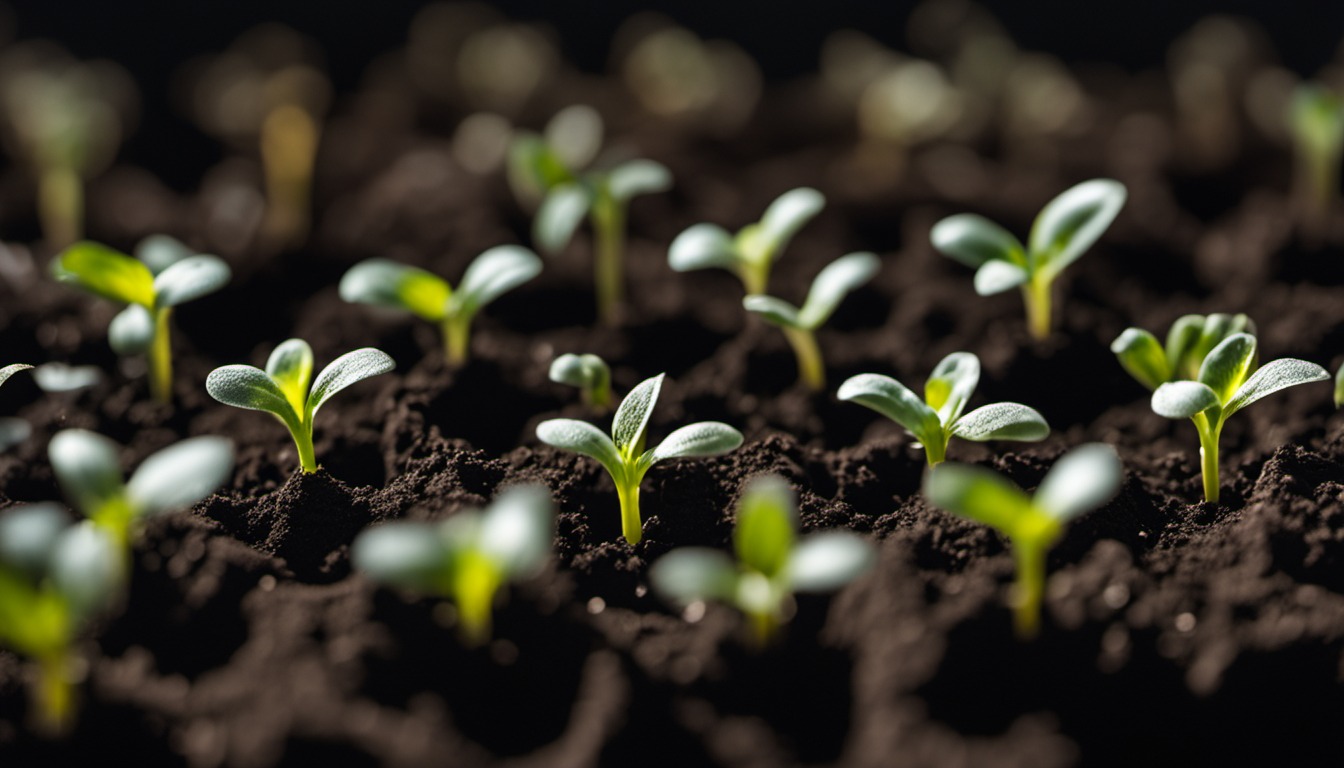
Measure where seed will sit
Use a clean soil thermometer and follow its instructions. Measure at the approximate depth where the crop will be sown, rather than on a dark exposed surface alone. Take readings at a similar time over several days and note whether the site is shaded, mulched or a raised bed that warms differently.
Compare crops, not just months
Cool-season greens and warm-season okra do not have identical germination needs. LSU’s spring advice identifies okra and southern peas as warm-soil crops. Compare the seed packet’s temperature range with the appropriate regional planting guide and the forecast; a single warm afternoon does not establish a stable planting window.
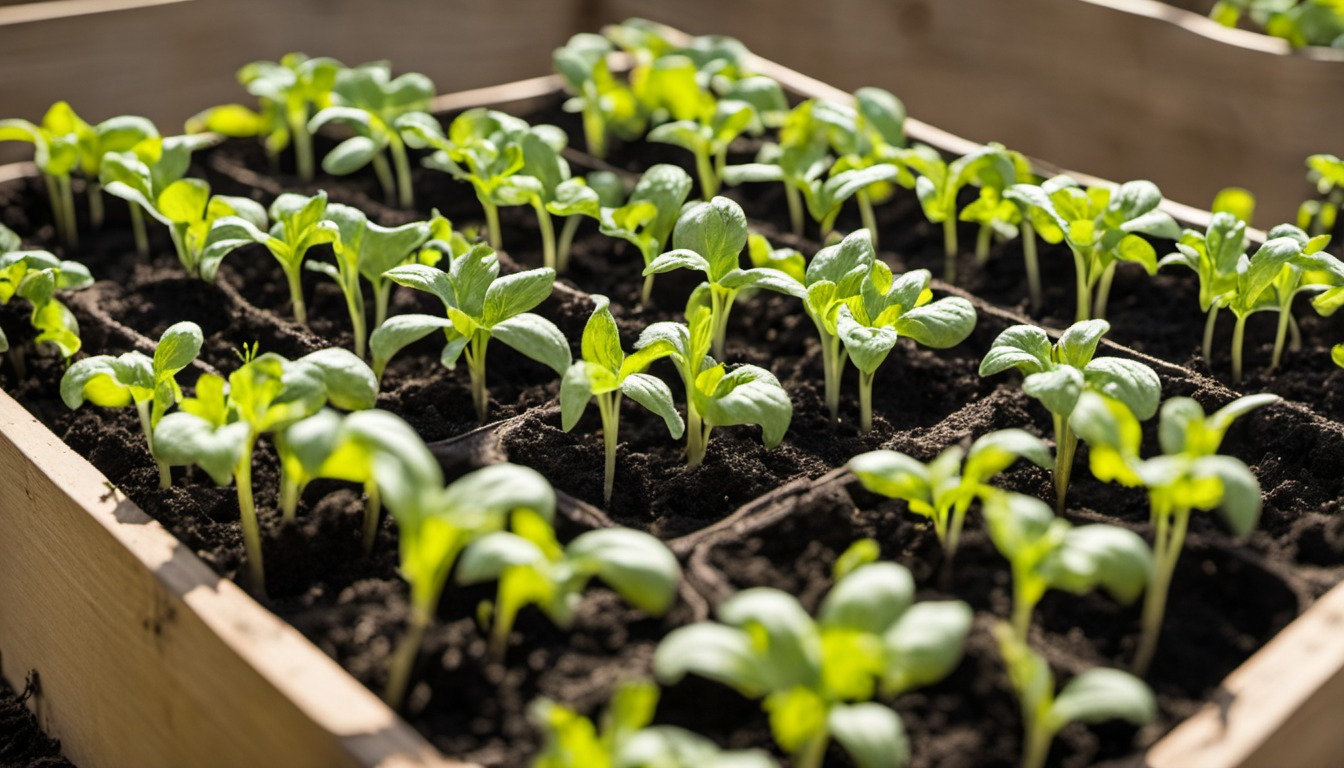
Include moisture and oxygen
Seeds also need suitable moisture and air. Cold saturated soil may delay or rot seed, while a hot dry surface can prevent germination even if the deeper bed is moist. Water the seed zone gently and avoid treating a temperature reading as a substitute for checking drainage and planting depth.
Example: a delayed bean row
A gardener plans a warm-season row after a cool rainy week. A morning reading at seed depth remains below the packet’s preferred range and the soil smears when squeezed. The gardener waits, checks again and prepares a support instead of planting into cold mud. The revised date must still fit the LSU crop window.
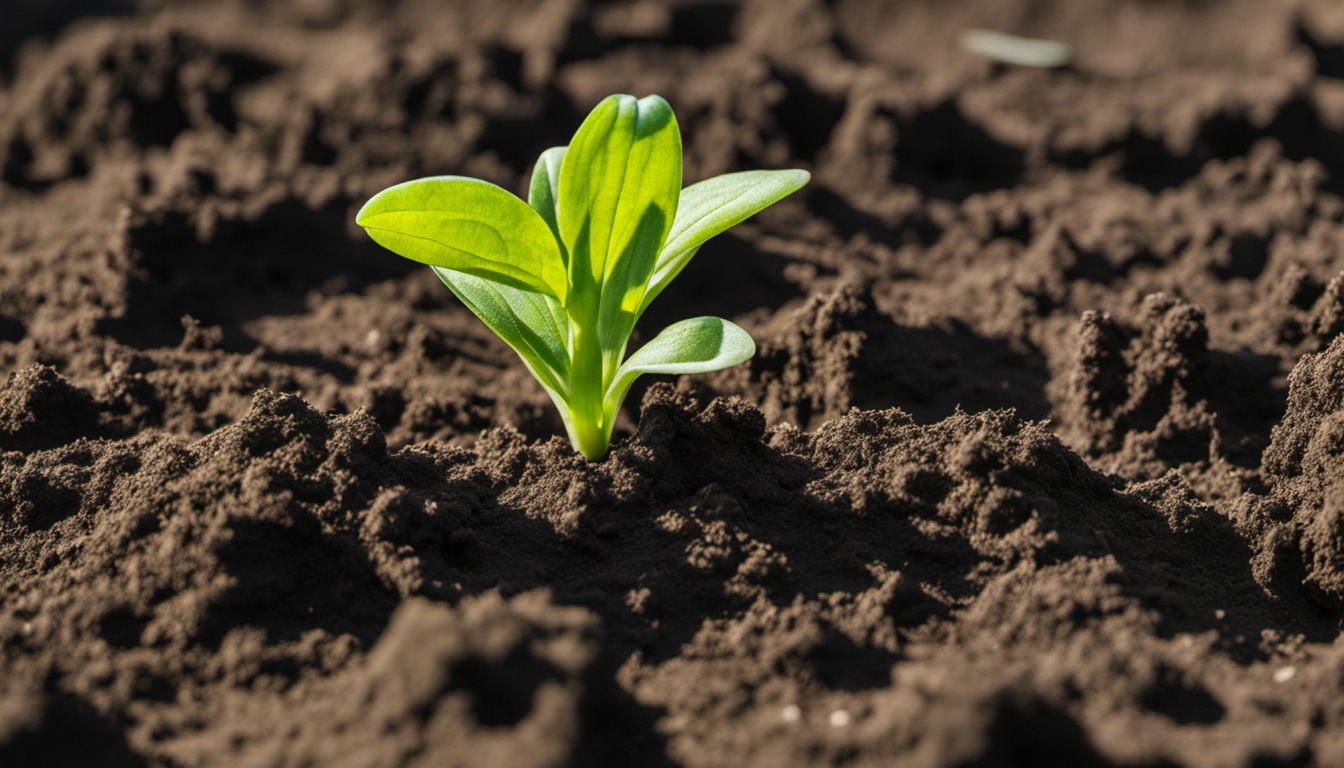
Compare two beds
Measure an in-ground row and a raised bed separately if both are available. A sunny bed may warm sooner but can also dry sooner. Mark each reading with bed, depth and time; do not substitute a nearby weather station’s air temperature for the temperature at the seed.
Troubleshoot slow emergence
If a row is late, compare the sowing date with the packet’s germination range and inspect gently for a dry crust, seed depth or waterlogging. Check seed age and weather before resowing. If a second sowing is needed, mark it separately and verify that enough of the local season remains.
Take comparable readings
Measure at approximately the seed depth in the morning for several days, keeping the thermometer in place according to its instructions. Record the bed and whether it is mulched or shaded. A sunny afternoon surface may be warmer than the seed zone after a cool night, while a hot late-summer surface may dry quickly. Compare the pattern with the packet’s germination guidance and the LSU planting window. A number cannot show whether soil is waterlogged, so feel the bed and wait until it is workable before sowing.