Louisiana garden field guide
Grow Vegetables in Sandy Louisiana Soil
A sandy bed may drain and dry differently from a nearby clay bed. Make small, observable changes and check the actual root zone rather than following a fixed watering schedule.
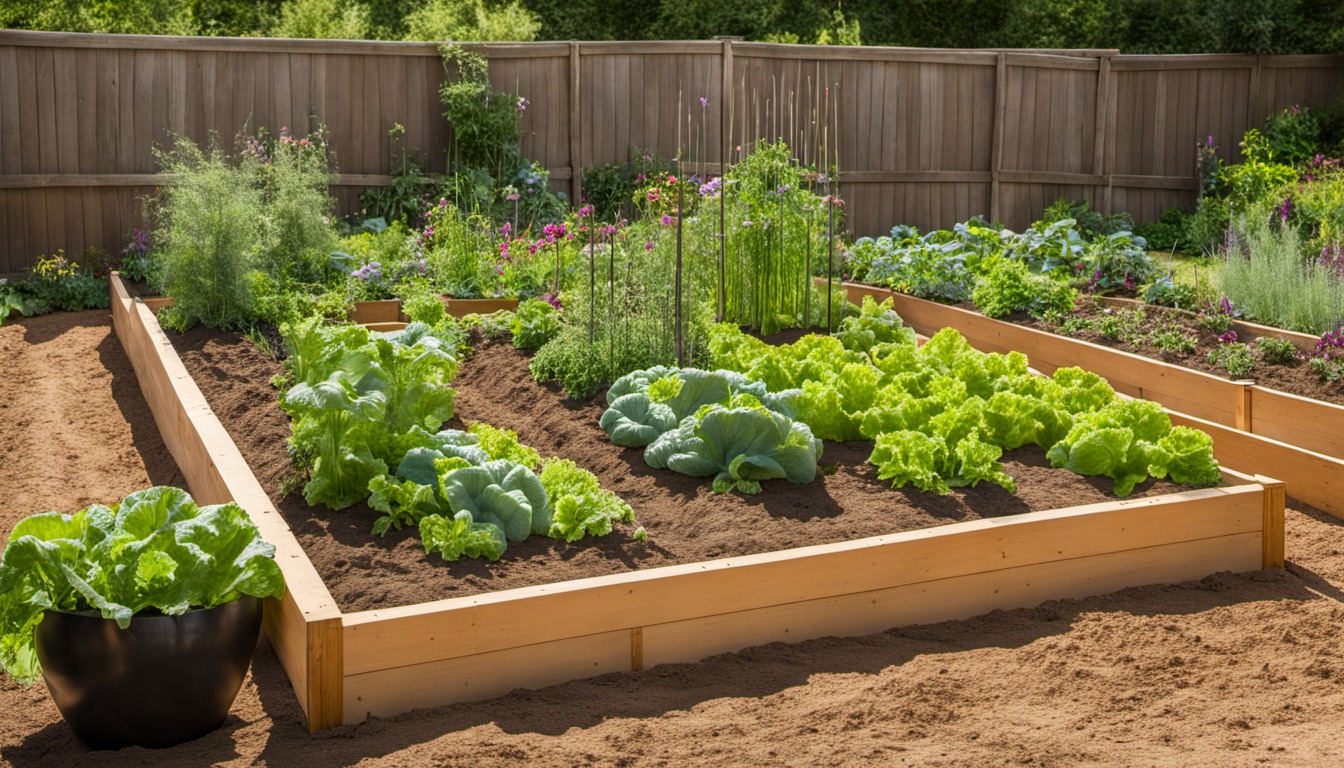
See how the bed behaves
After watering, inspect how deeply moisture reached and how quickly the surface dries. A light-colored soil is not automatically dry throughout, and a dark surface is not proof that roots have enough water. Compare several spots, especially near edges and under dense foliage, before adjusting the system.
Use finished organic matter
Finished compost can help soil structure and moisture retention, as LSU’s home-garden disease guidance explains. Incorporate or apply it according to local advice and the crop’s needs; it is not a guaranteed fertilizer formula. A soil test can reveal whether nutrients or pH need attention before additional material is purchased.
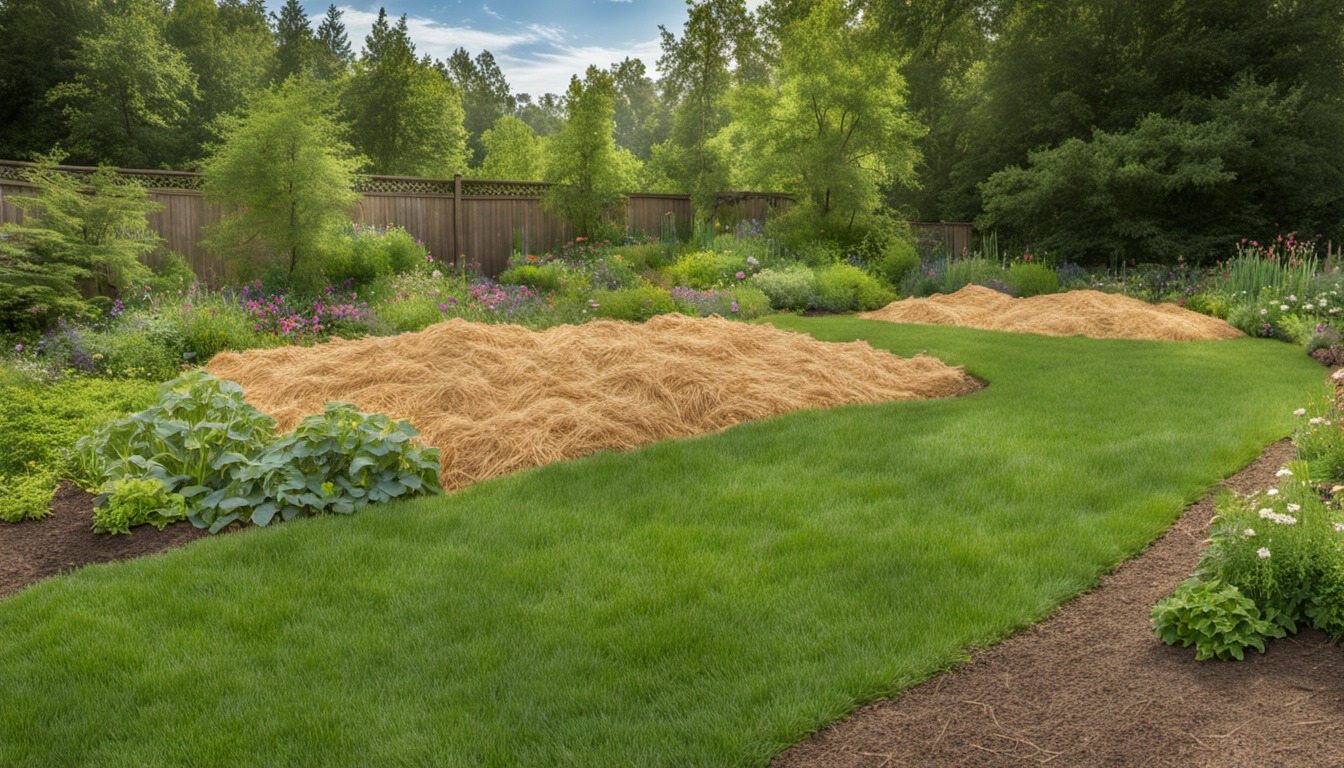
Protect the surface
A suitable organic mulch around established plants can slow evaporation and reduce splash. Keep mulch away from stems and do not bury a newly planted seed row under a thick layer. Check beneath it for moisture, because a dry-looking top layer and a wet root zone call for different actions.
Water where roots are
Small seedlings need attention near the seed, while established plants may use a deeper root zone. Test the wetting pattern of drip irrigation and adjust a misplaced emitter rather than running every bed longer. Split an application if water runs off, and follow local water restrictions and current conditions.
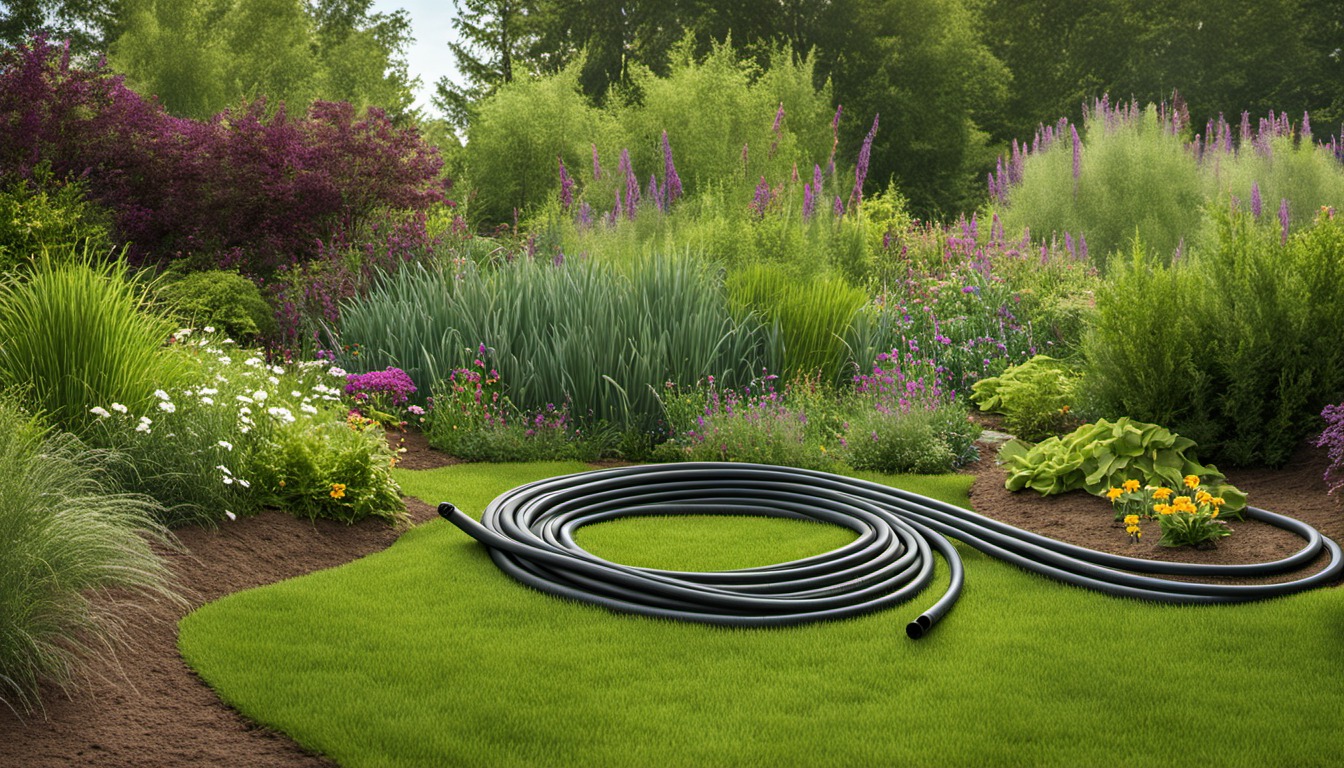
Example: one quick-drying row
A gardener notices lettuce drooping at the sandy edge of a bed. They check the soil, compare it with the middle and inspect the emitter. If only the edge is dry, a placement adjustment and mulch may help more than watering the entire garden. If roots are wet, investigate heat or another cause first.
Track the change
Record compost additions, watering checks and crop performance. Compare the bed after a few weeks and again the following season; one irrigation or storm does not establish a pattern. Keep a separate soil-test sample for a bed with a substantially different fill or amendment history.
Test a watering change
Place a simple marker at the bed edge and check moisture at the same depth in the edge and center before and after irrigation. If one side stays dry, inspect the emitter or hose position first. Apply a modest, appropriate mulch layer after seedlings establish and compare the next few checks, rather than changing compost, watering time and shade simultaneously. Keep the bed’s soil-test result and amendment history separate from a neighboring clay bed. This makes it easier to understand which change helped and whether the crop still needs a different location.