Louisiana garden field guide
Grow Root Vegetables in Louisiana
A root crop’s edible part develops out of sight, so bed preparation and thinning matter. Choose a crop for the local season and give it soil that can be worked without compaction.
Select the local window
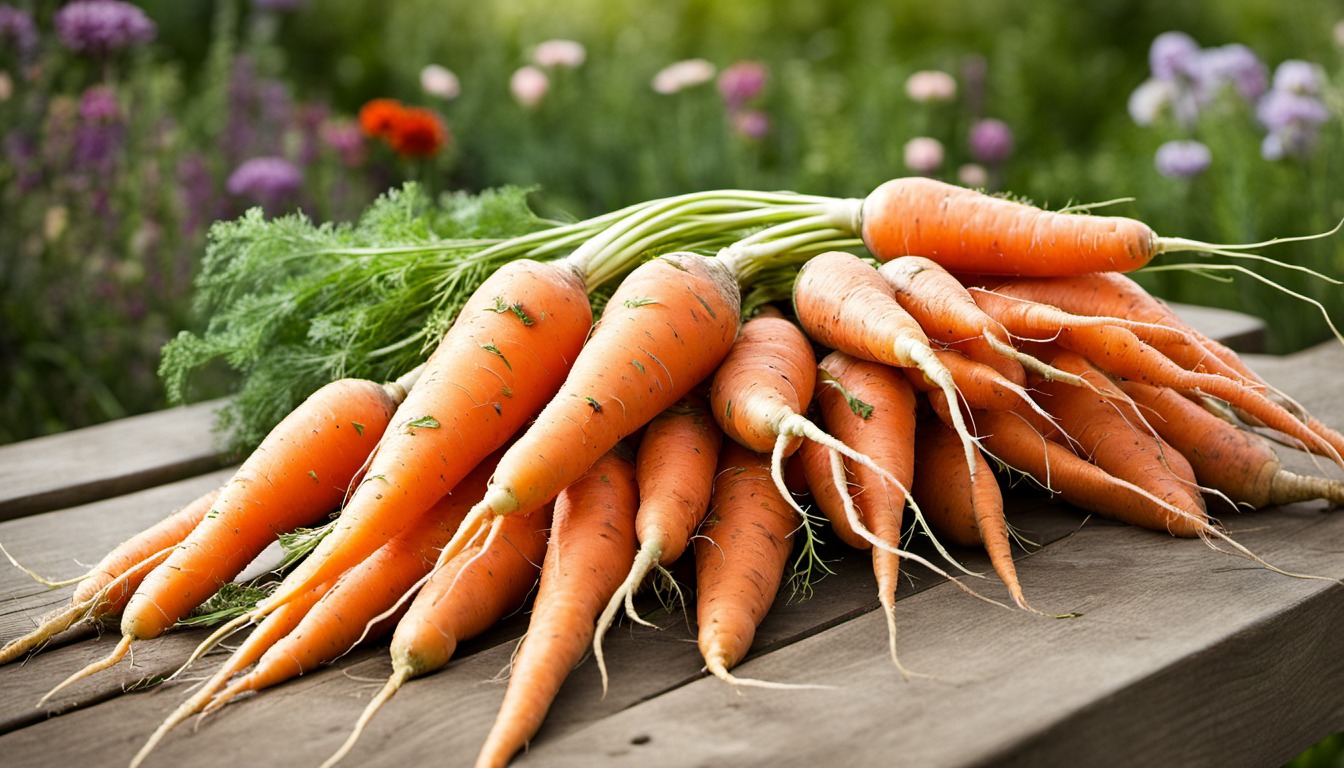
Carrots, beets, radishes and turnips have different planting and maturity needs. Read each LSU north or south table row and its method, then compare the packet and forecast. Central Louisiana gardeners use the guide’s north spring advice as a starting point; a single date does not apply to every root crop.
Prepare a workable bed
Remove weeds and break up clods only when soil crumbles rather than smears. A soil test can guide amendments. Avoid packing the bed with foot traffic and leave a path for access. A raised bed may improve reach, but it still needs suitable soil, drainage and enough depth for the chosen crop.
Sow and thin
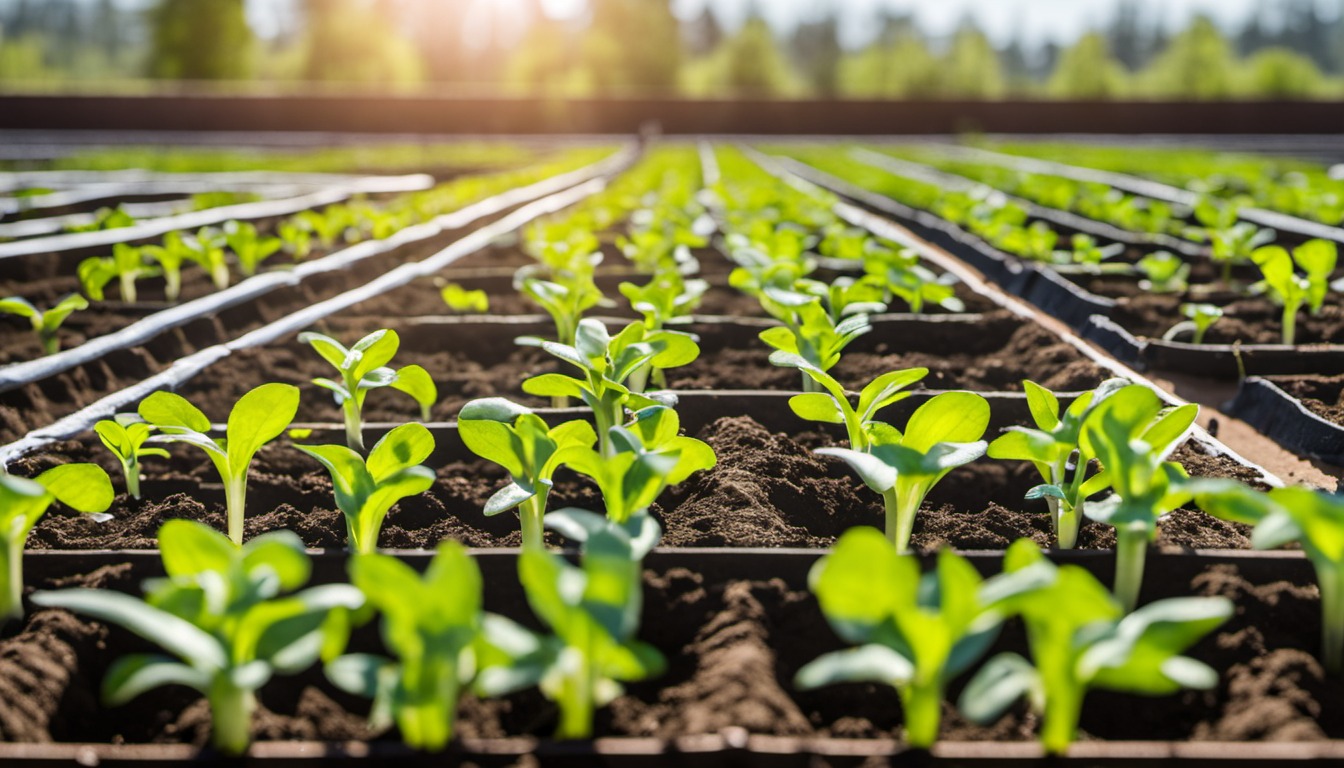
Follow the packet’s depth and spacing. Small seeds need gentle watering so they are not washed away or buried beneath a heavy mulch. Once seedlings can be handled, thin as directed to leave room for roots to expand. Mark a second sowing separately if the local window and available bed allow it.
Keep moisture steady
Check at the root zone rather than watering on a calendar alone. Heavy rain can leave one part of a bed saturated while a raised edge dries. Mulch established plants when appropriate, but keep it clear of the seed row during emergence and inspect the soil beneath it.
Example: a short carrot row
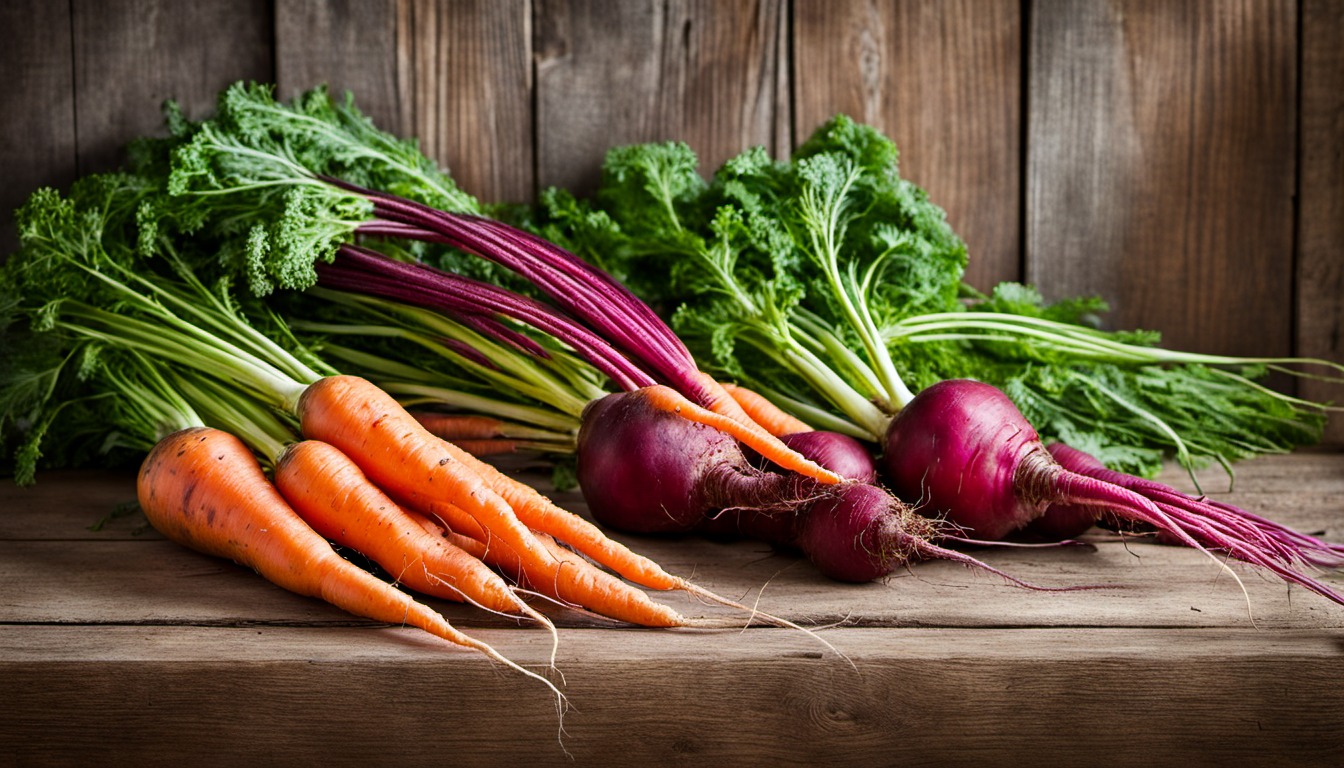
A gardener chooses a carrot variety and checks its maturity against the local cool-season window. They prepare a short row, sow at packet depth and water gently. After emergence they thin to the stated spacing and record the date; if the row fails, they check crusting and seed depth before replanting.
Harvest and handle safely
Harvest at the stage suited to the variety and avoid bruising roots. A normal rinse is not a treatment for contaminated floodwater. LSU notes that roots and tubers in flooded soil can be exposed to pathogens; discard produce in direct floodwater contact and consult local guidance after a flood.
Make thinning part of the plan
Write a reminder to inspect a seed row after emergence. If plants are crowded, thin according to the packet while they are small enough to handle without disturbing their neighbors. Save the sowing date and variety so you can distinguish a slow crop from a failed one. Compare the root-zone moisture at the bed edge and middle after a storm. If muddy floodwater reached the edible roots or saturated their soil, use LSU’s food-safety advice and local assistance rather than assuming that peeling alone removes the risk.