Louisiana garden field guide
Grow Leafy Greens in Louisiana
Leafy greens give a garden useful harvests without waiting for a large fruit. Pick crops for the season and leave enough room to reach them as the leaves expand.
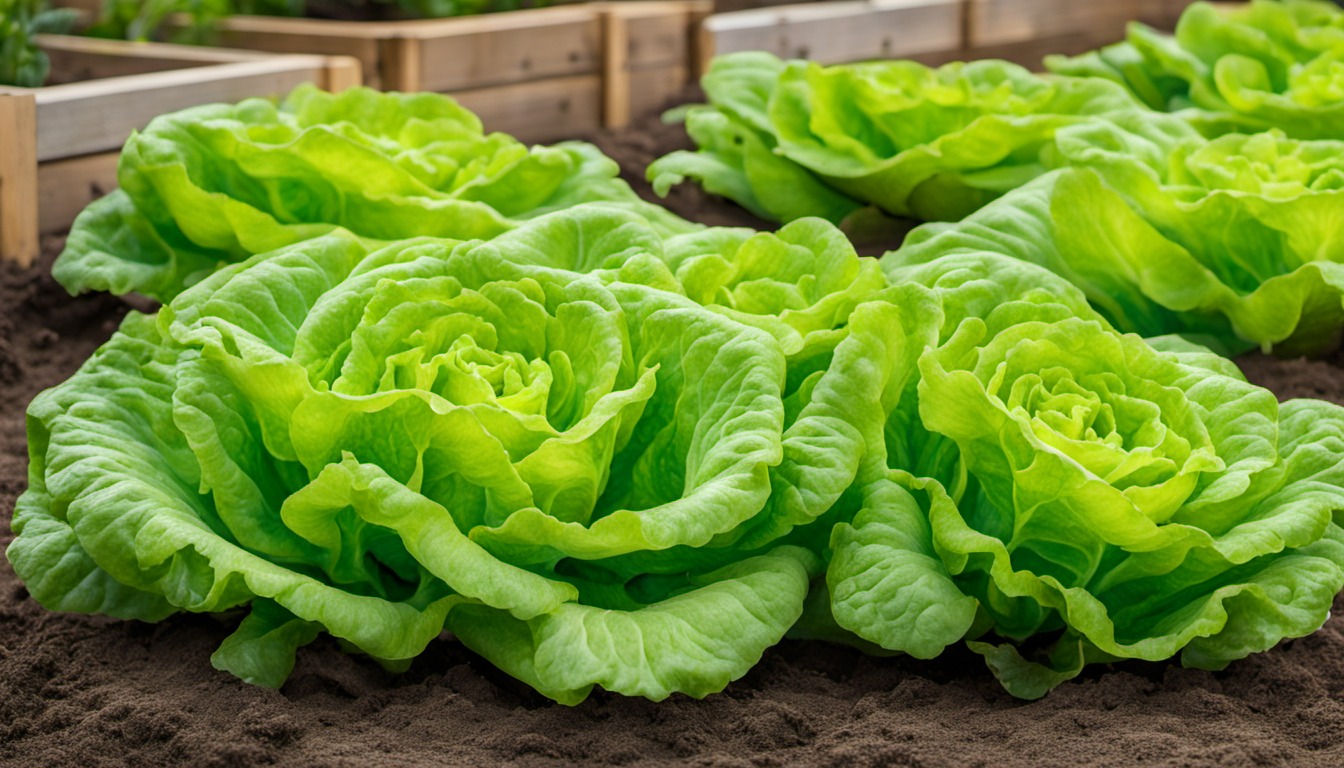
Choose for the season
Lettuce, collards, mustard and other greens differ in heat and cold tolerance. Use the LSU regional table for each crop, method and season rather than treating all greens as interchangeable. A variety that does well in a cool period may bolt or lose quality when weather turns hot.
Prepare a workable bed
Choose a site with suitable light and access to water. Wait until wet soil crumbles rather than smears, and clear weeds before sowing. Read packet depth and spacing; small seeds can be displaced by hard watering or buried by an overly thick mulch layer.
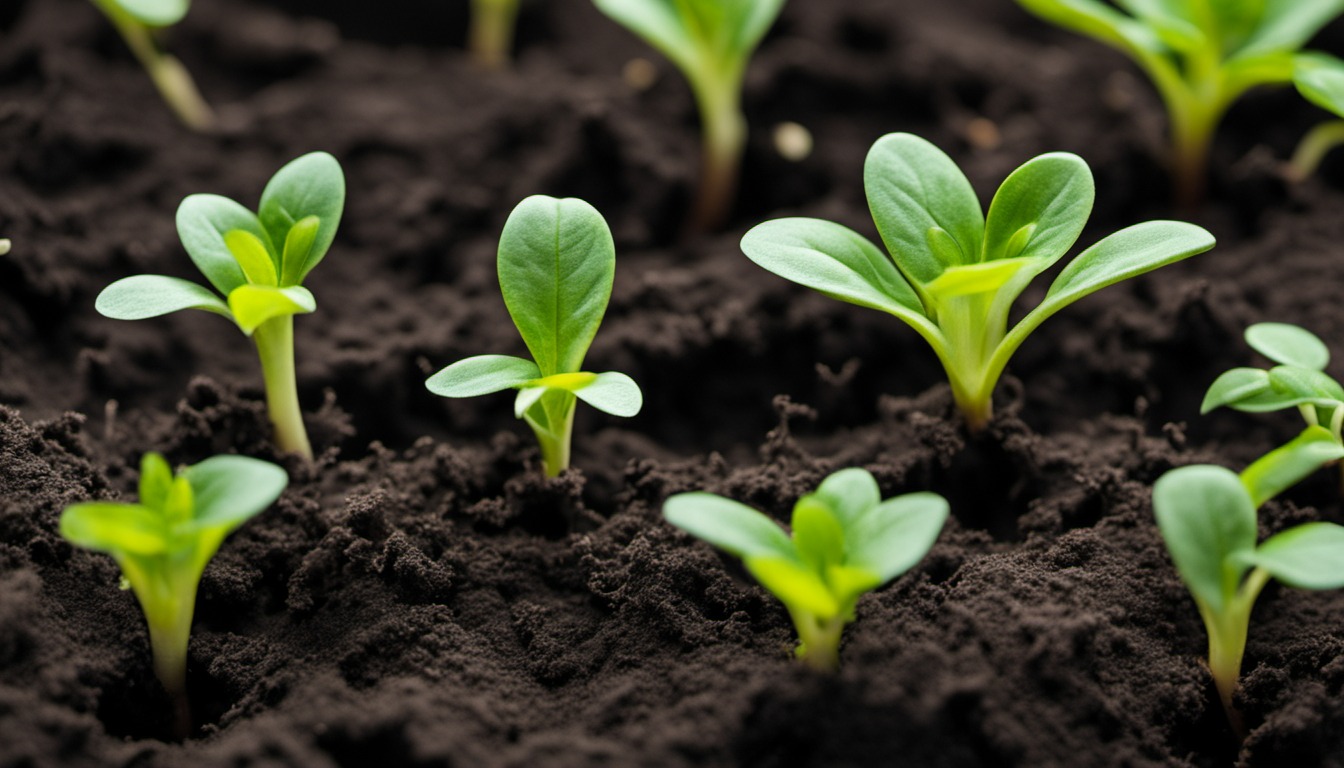
Establish the row
Keep the seed zone moist during germination without leaving it saturated. Thin seedlings as directed so mature leaves have room and air can move between plants. A short second sowing can spread harvest if the crop’s local window remains open; label each sowing so the results are comparable.
Harvest thoughtfully
Pick at the stage and method appropriate for the variety, handling leaves gently. Frequent inspection reveals bolting, damaged foliage and crowded plants before quality declines. Wash ordinary garden produce under safe running water as appropriate, but do not confuse routine washing with a remedy for floodwater contamination.
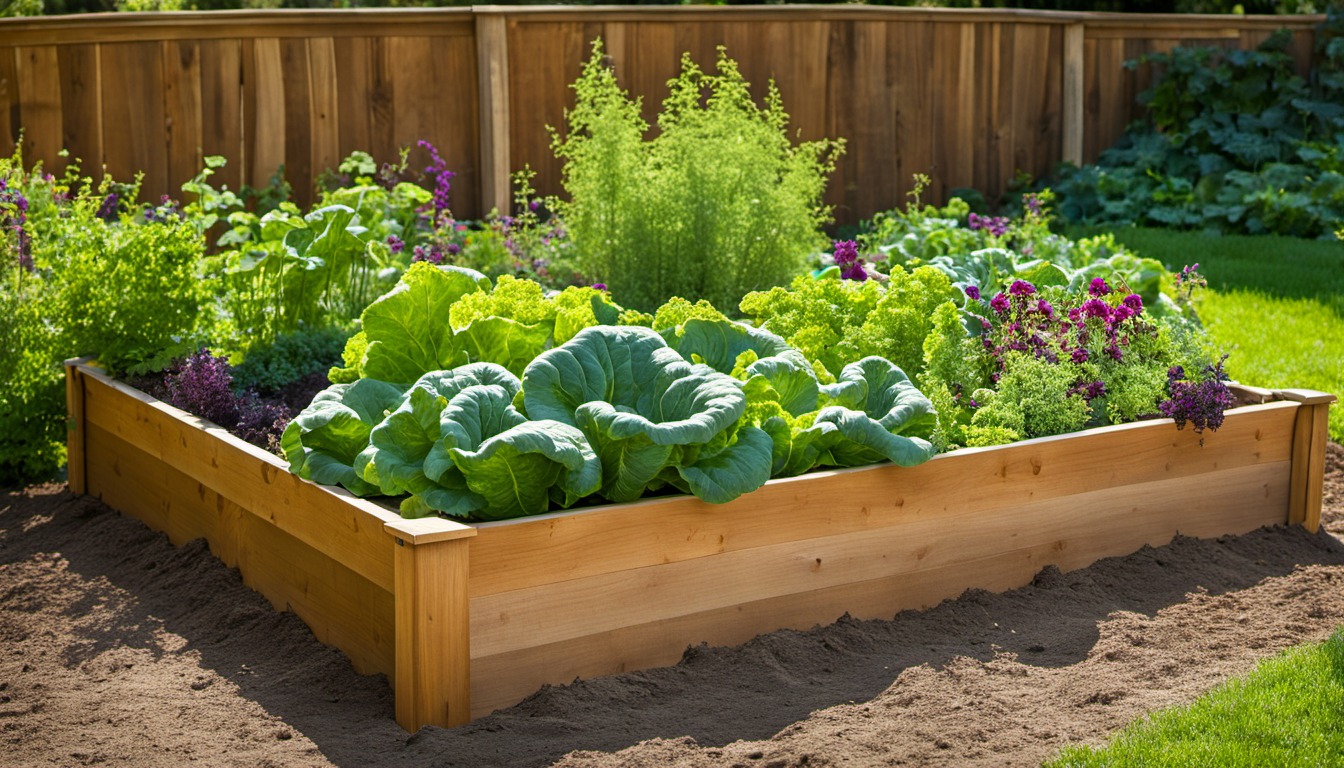
Example: a fall bed
A gardener checks the LSU fall table, selects a green and reserves a bed that will open in time. They water a shallow seed row gently during warm weather and thin once seedlings grow. If the bed opens after the recommended window, they select a quicker suitable crop instead of assuming every green can finish.
Manage moisture and disease
Check below the soil surface before watering and avoid keeping foliage crowded. LSU lists several possible leafy-green diseases; identify a persistent problem before treatment. Its flood guidance identifies leafy produce as especially difficult to clean after contaminated water; discard produce directly exposed to floodwater.
Use a short succession
If the LSU regional window is open, sow a small row and mark its date, then consider a second short row later rather than planting the entire packet at once. Compare emergence, leaf quality and the effect of heat or rain. Thin each row according to the variety and harvest promptly as plants reach the useful stage. If contaminated floodwater contacts leaves, LSU advises discarding them; leafy surfaces are difficult to clean and ordinary washing is not a flood-safety treatment. Keep a separate note of the affected bed and ask local experts about recovery.