Louisiana garden field guide
Grow Louisiana Vegetables in Containers
A container garden can put a useful crop close to a door or water source. Its smaller root zone also makes drainage, heat and frequent observation especially important.
Match the pot to the plant
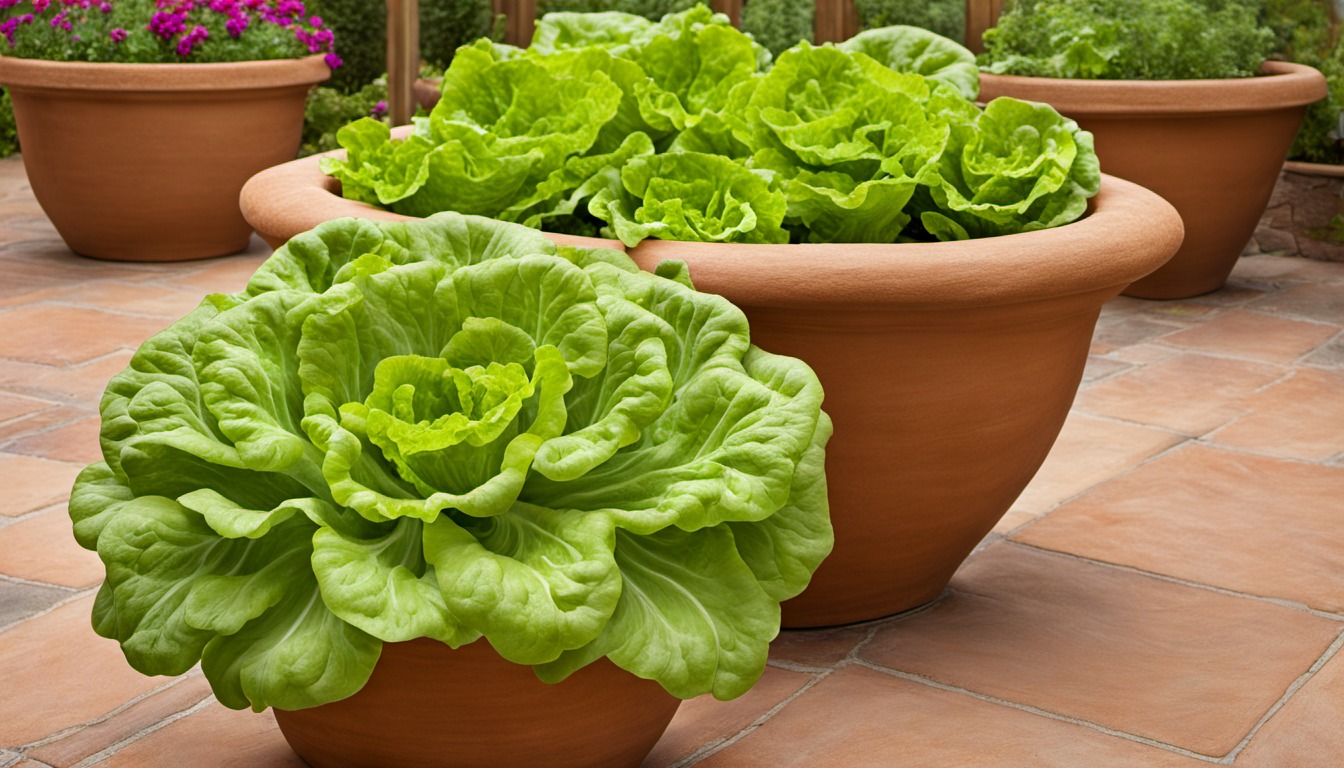
Choose a container with drainage holes and enough room for the crop’s mature roots. A compact pepper and a large vining squash do not have identical needs. Check the variety’s mature size and support requirements before purchase, and place heavy pots where they will not block exits or be easily tipped by wind.
Use an appropriate mix
Container growing media are designed differently from ordinary in-ground soil. Use a suitable potting mix and follow product guidance; do not pack a pot with sticky garden clay. Confirm that excess water can leave through the holes and that a saucer does not keep the root zone standing in water.
Select a local season
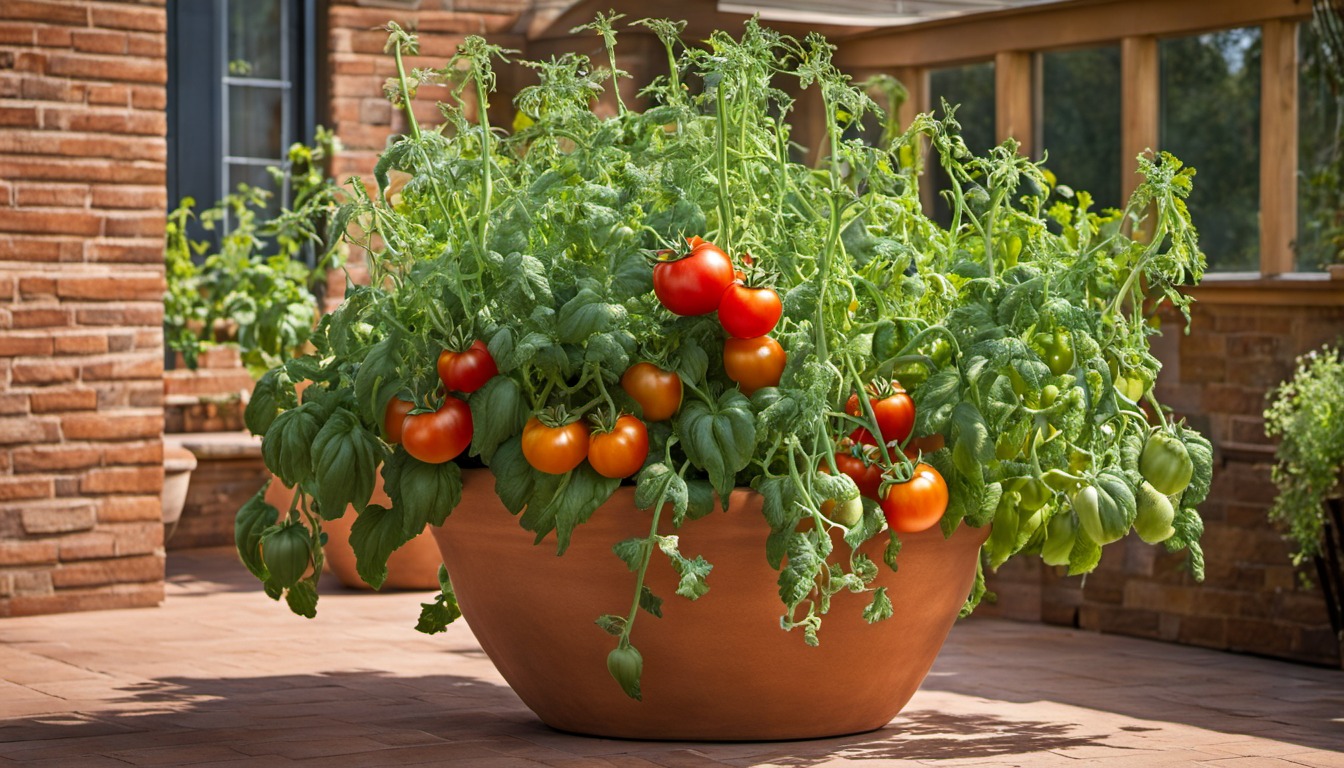
Use the north or south Louisiana crop window in LSU’s guide and adjust for your parish and the forecast. Central spring gardeners use the north column as a starting point. A pot can be moved before a cold night when practical, but mobility does not eliminate frost risk or the need for an appropriate crop window.
Check water and heat
Feel the mix below the surface and compare the root ball with the surrounding medium after transplanting. A pot under an overhang may miss rain while another is saturated. Patio paving and reflected sun can increase exposure; moving a portable container or adding temporary shade may help when done safely.
Example: a patio pepper
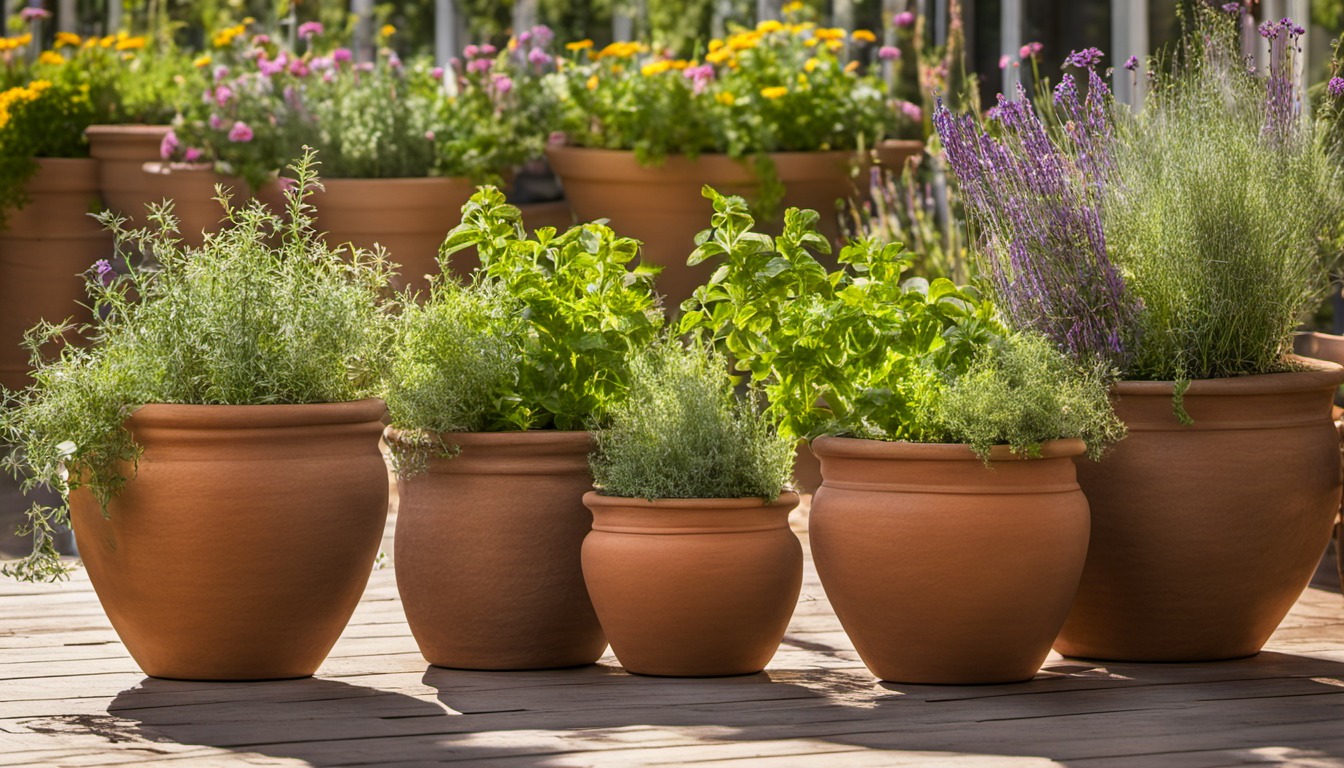
Choose one compact pepper and a pot sized for its mature plant. Set a small support early, then place the pot where it receives suitable light and can drain. If leaves droop, check moisture and roots before adding water or fertilizer. Record the pot’s location and harvest so the next season’s choice is easier.
Plan for storms
Before hazardous weather, move lightweight containers to a safer place if conditions permit. Never go outside during dangerous wind or lightning to save a plant. Afterward, inspect drainage, supports and any floodwater contact; LSU says produce directly touched by floodwater should be discarded.
Observe a container over one day
Check where the pot receives morning and afternoon light and whether a wall or paving reflects heat. After watering, confirm that excess water leaves the drainage holes and does not collect permanently in a saucer. On a hot day, compare the root-zone moisture at several times without assuming that surface color shows the whole pot’s condition. If the container moves for storm or cold protection, move it before conditions become hazardous and return it when the crop can safely receive its needed light.