Louisiana garden field guide
Grow Onions and Garlic in Louisiana
Onions and garlic can share a garden plan, but the planting material and harvest calendar differ. Check the crop, variety and LSU regional table before buying supplies.
Choose the planting material
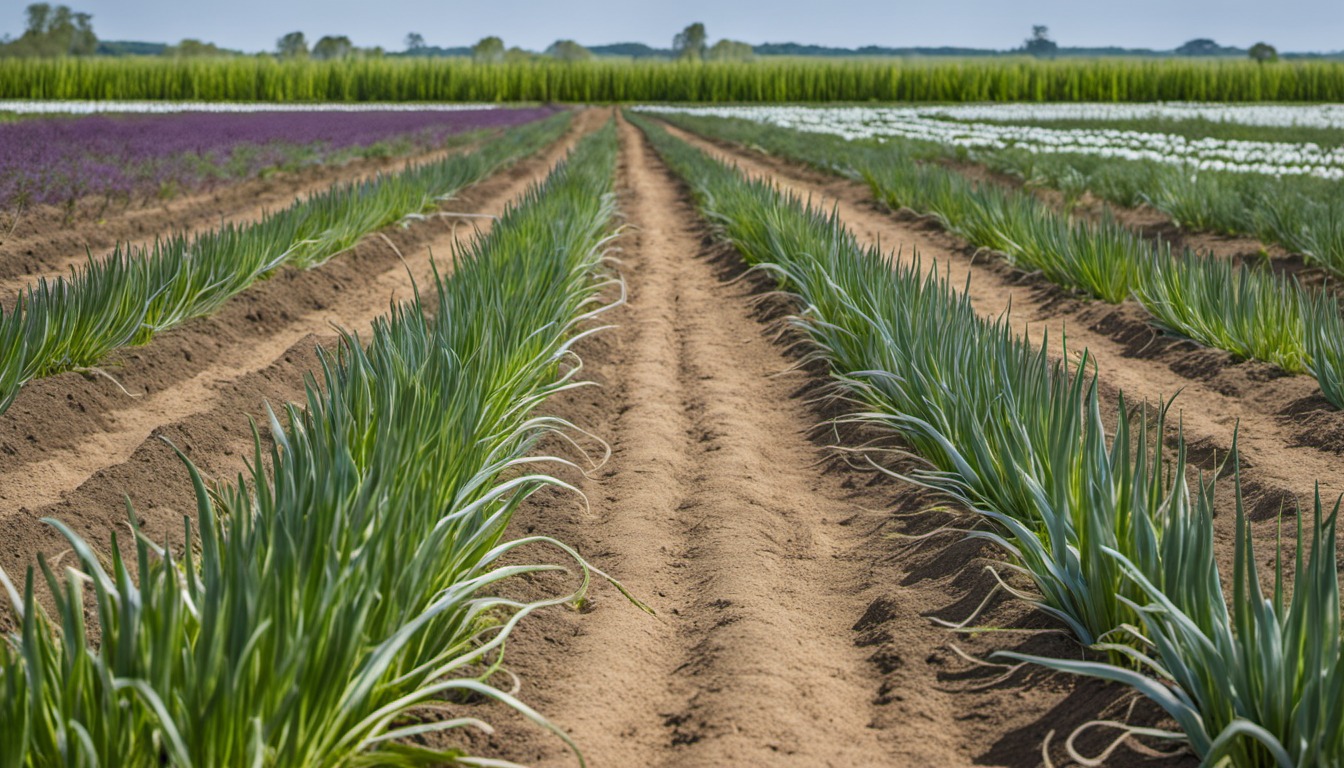
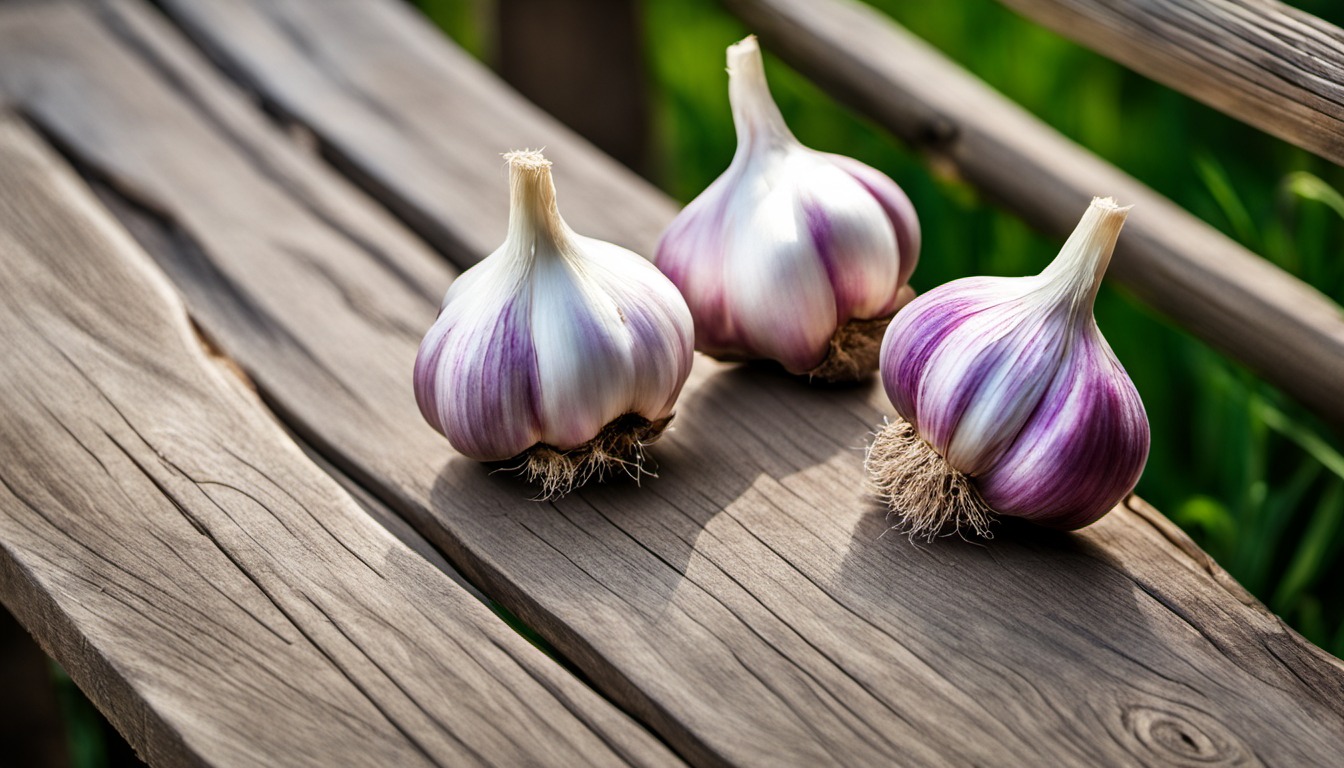
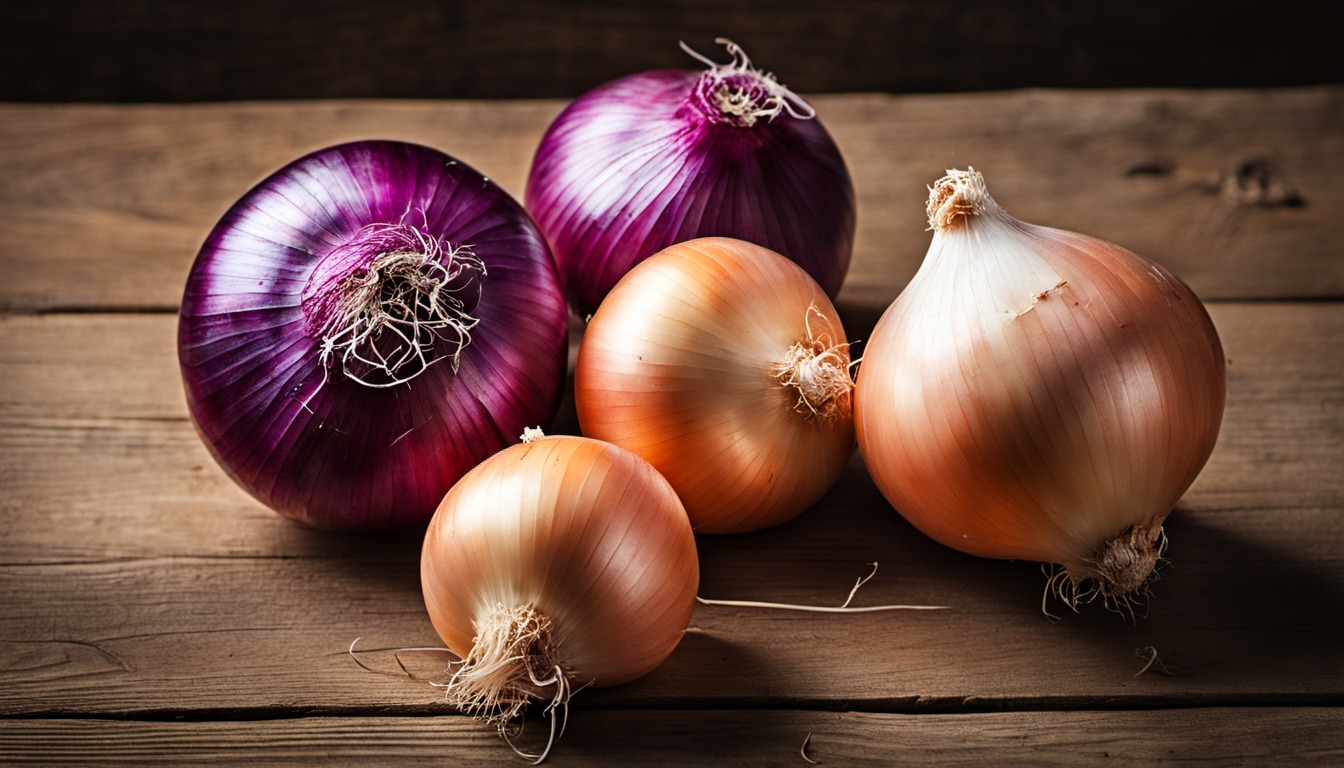
Onions may be started from seed, sets or transplants depending on the crop and local guidance; garlic is planted as individual cloves. Buy healthy material suited to the area and read its label. Reserve space for mature plants and a path so leaves can be inspected without stepping on a wet bed.
Read the local schedule
Use LSU’s north or south table for the crop and method, with the central spring and coastal caveats in the guide. Garlic and onions may occupy a bed across seasons, so record when it will next be available. A hardiness zone alone is not an exact planting or harvest date.
Prepare the bed
Choose a workable, well-drained bed and avoid digging soil that smears after rain. A soil test guides pH and nutrient decisions. Remove weeds while small and leave space between plants according to the packet and local chart; crowded bulbs compete for light, water and room.
Manage water
Check soil below the surface and avoid allowing a bed to remain saturated. Mulch around established plants if appropriate, keeping it away from tender stems. An overhang, low corner or raised bed may receive and retain water differently from another part of the garden.
Example: reserve the space
A gardener wants fall garlic in the same bed as spring tomatoes. Before planting the garlic, they check its expected harvest and curing needs against the tomato schedule. If the bed will still be occupied, they reserve another area rather than pulling the garlic early or planting tomatoes too late.
Harvest and handle
Follow crop and variety guidance for harvest signals and appropriate curing. Handle bulbs gently and keep a record of planting material, dates and storage results. LSU’s disease guide lists bulb-crop problems, so seek identification if foliage declines unusually; a single yellow leaf does not prove a particular disease.
Keep the labels separate
Mark one section for onion material and another for garlic cloves, with the variety and date on each. The plants may look similar when young but can have different schedules and harvest signs. If the bed will be needed for a spring crop, compare the expected bulb harvest with that crop’s regional window before filling the whole space. Check moisture beneath mulch and remove small weeds carefully. Keep the soil-test report with the bed record so next season’s nutrient decisions reflect the bed’s actual history.