Louisiana garden field guide
Plan for Frost and Freezes in a Louisiana Garden
A mild winter does not eliminate frost risk. Louisiana gardeners benefit from separating a long-term average, a forecast and the actual temperature at a particular bed.
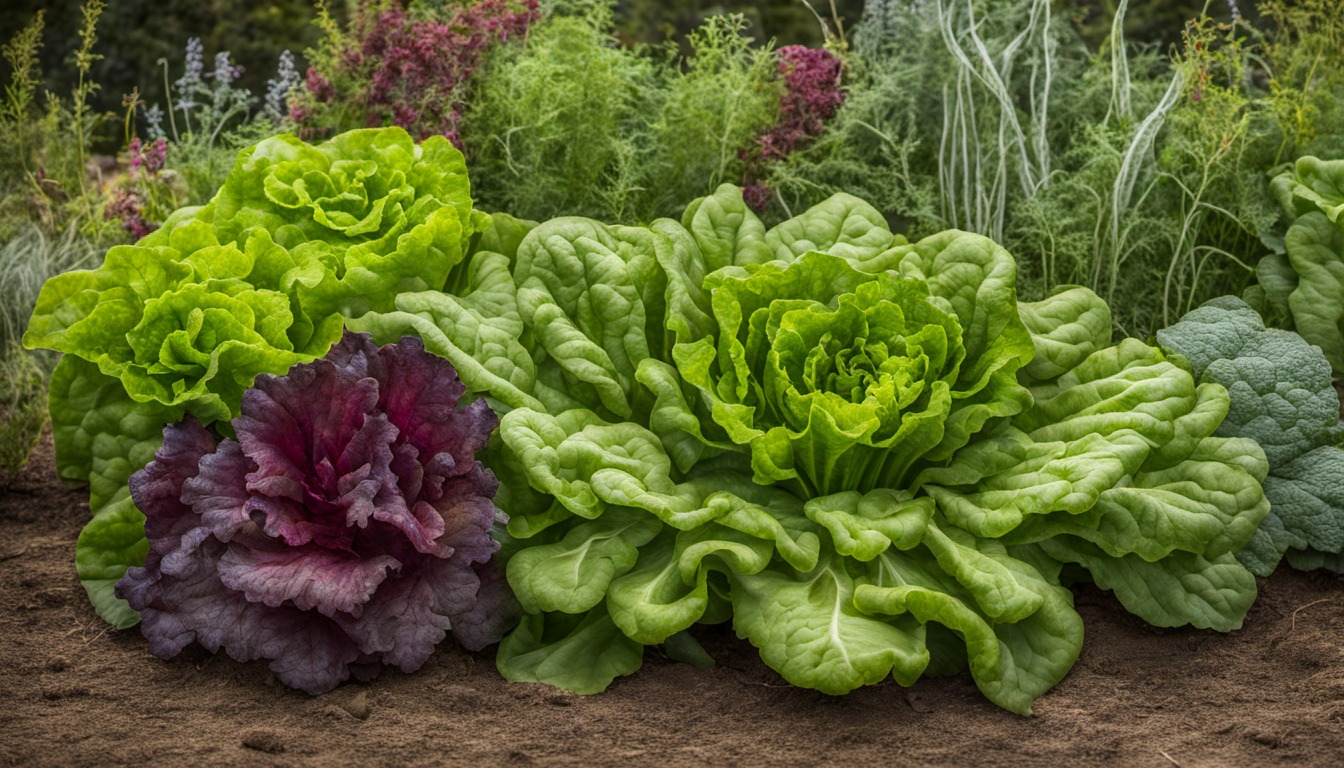
Label the average
LSU’s planting guide uses general spring frost-related dates of March 15 for south Louisiana and April 1 for central and north Louisiana. These are planning anchors, not promises. A sheltered wall and an exposed low corner can behave differently; retain the station and threshold with any average written on your calendar.
Know the crop
Tender vegetables such as tomatoes, peppers and cucumbers can be damaged by frost, while some cool-season greens tolerate conditions that injure them. Check the crop and growth stage instead of treating every plant identically. A hard freeze and a brief light frost are different events, and no cover guarantees survival.
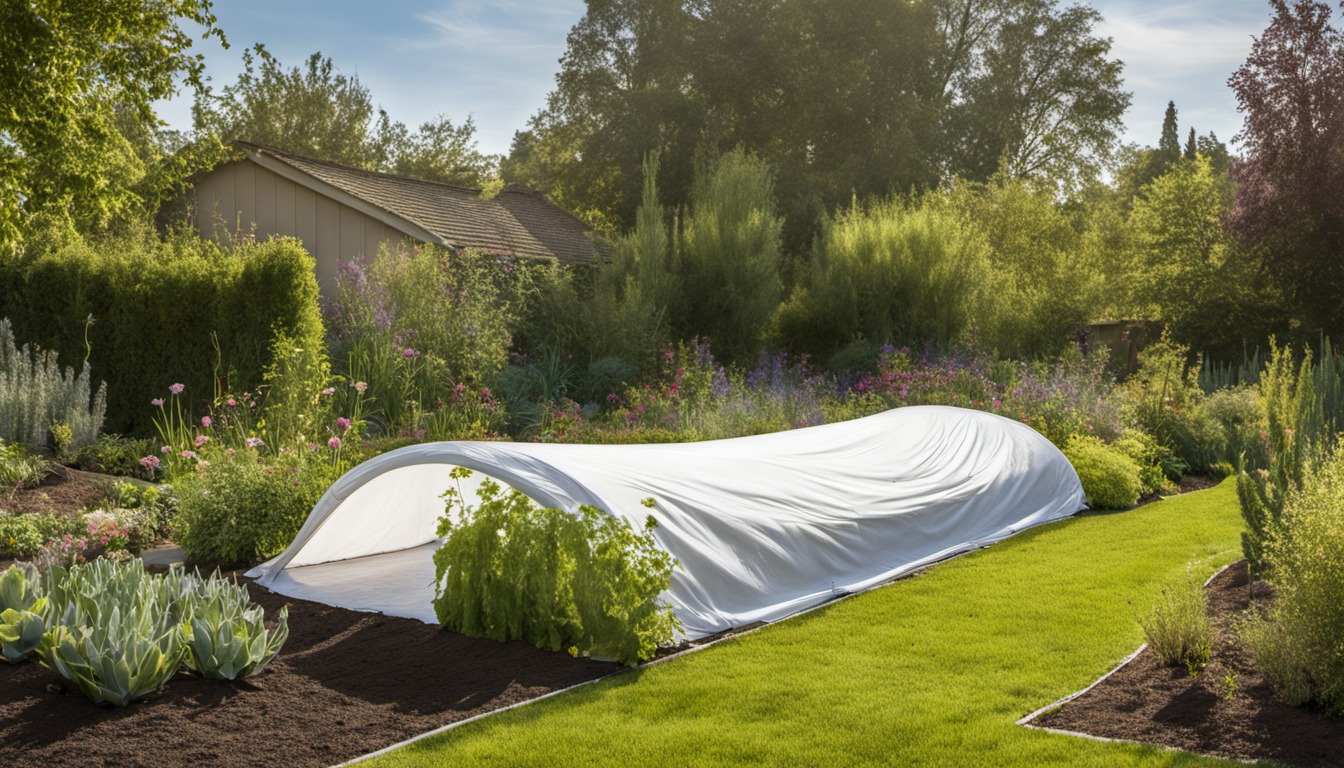
Prepare a cover
Have supports and appropriate lightweight cover ready before a forecast cold night. Keep fabric above foliage where practical, secure edges against wind and remove or ventilate it when heat builds. Check the product directions and avoid presenting an unmeasured cover as a promise of a fixed number of degrees of protection.
Make a transplant decision
A young plant in a portable container may be moved to a protected location when safe. A transplant already in the bed may need a different plan. Check its root ball before and after a cold spell and do not move it into cold, saturated soil simply because a calendar date has arrived.
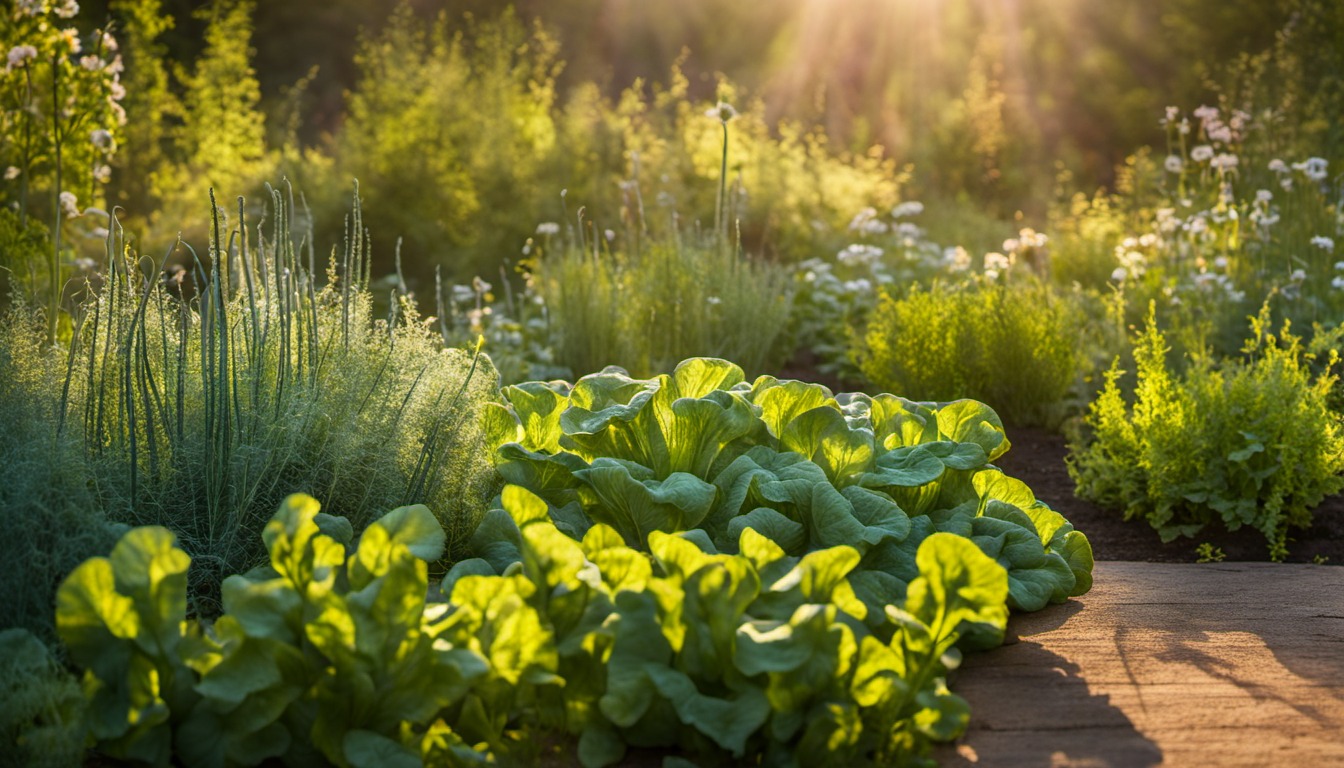
Example: two beds
A forecast low near freezing arrives after tomatoes are planted but while mature greens remain in a second bed. Compare each crop’s tolerance and decide whether cover is appropriate. Harvest usable produce before the event where feasible, and do not assume the greens or the tomatoes will respond identically.
Record the result
Write the forecast, actual observation, cover used and plant response. One cold night is not a new climate average, but recurring damage may reveal a low pocket. Use that information with local Extension guidance to choose a future site and keep a practical spare plan for delayed spring planting.
Label the forecast and the statistic
Write the station, temperature threshold and source beside a first- or last-frost average. A forecast low, a probability of reaching a particular temperature, and an average date are different pieces of information. Before a cold night, compare the current forecast with the crop’s tolerance and the conditions in the actual bed. If you use a cover, record what you used and how the plant responded without assuming it always adds the same protection. Repeated local notes can reveal an exposed corner while leaving the long-term average intact.