Arizona garden field guide
Grow Tomatoes in an Arizona Home Garden
A successful Arizona tomato plan balances warmth against extreme heat. A low-desert gardener and a higher-elevation gardener may face opposite risks at the same time of year.
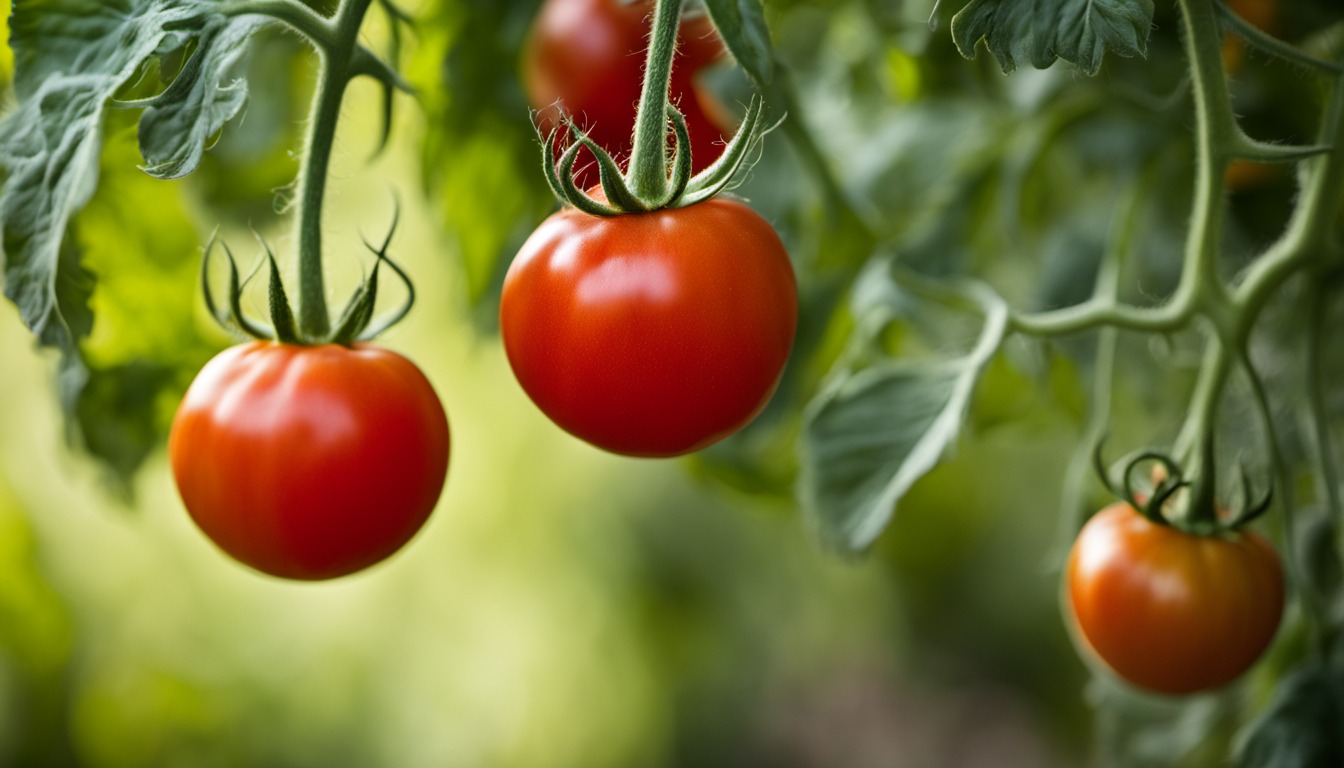
Select the season and variety
Use the county crop calendar and choose a variety that fits the bed and available growing time. University of Arizona describes mid-March through late June as a principal tomato growing period in southern Arizona; it is not a statewide planting date. At a colder site, check local frost and the variety’s maturity from transplanting.
Recognize heat limits
Arizona Extension notes that temperatures above 90°F can reduce tomato pollen viability and fruit formation. A plant may look vigorous while setting fewer fruits in a hot spell. Protect fruit from direct sun where appropriate and keep leaves healthy, but do not assume fertilizer can solve temperature-related blossom drop. Use the planting window to avoid the worst heat where possible.
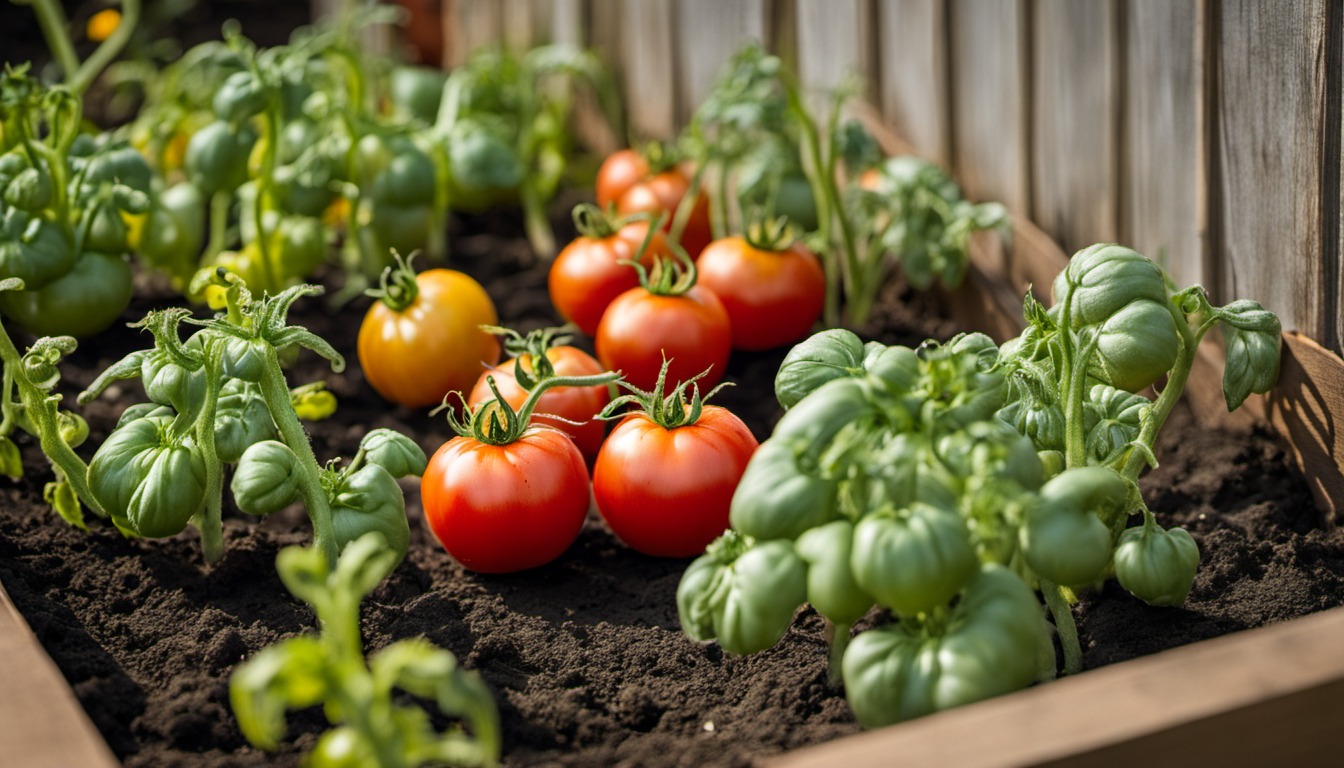
Prepare a stable home
Choose a sunny site with drainage and access to water, leaving space for the variety’s mature size. Place a stake or cage before roots spread and tie stems loosely. Incorporate suitable finished organic matter as needed and use a soil test to guide fertilizer decisions. Waterlogged roots and a repeatedly dry root zone can both impair growth.
Transplant carefully
Harden seedlings gradually to outdoor sun and wind. Plant when soil and the forecast suit the crop, then check the transplant’s original root ball separately from the surrounding bed. A small plant may dry quickly even when the rest of the bed feels moist. At higher elevations, be ready to delay for cold rather than relying on an average date alone.
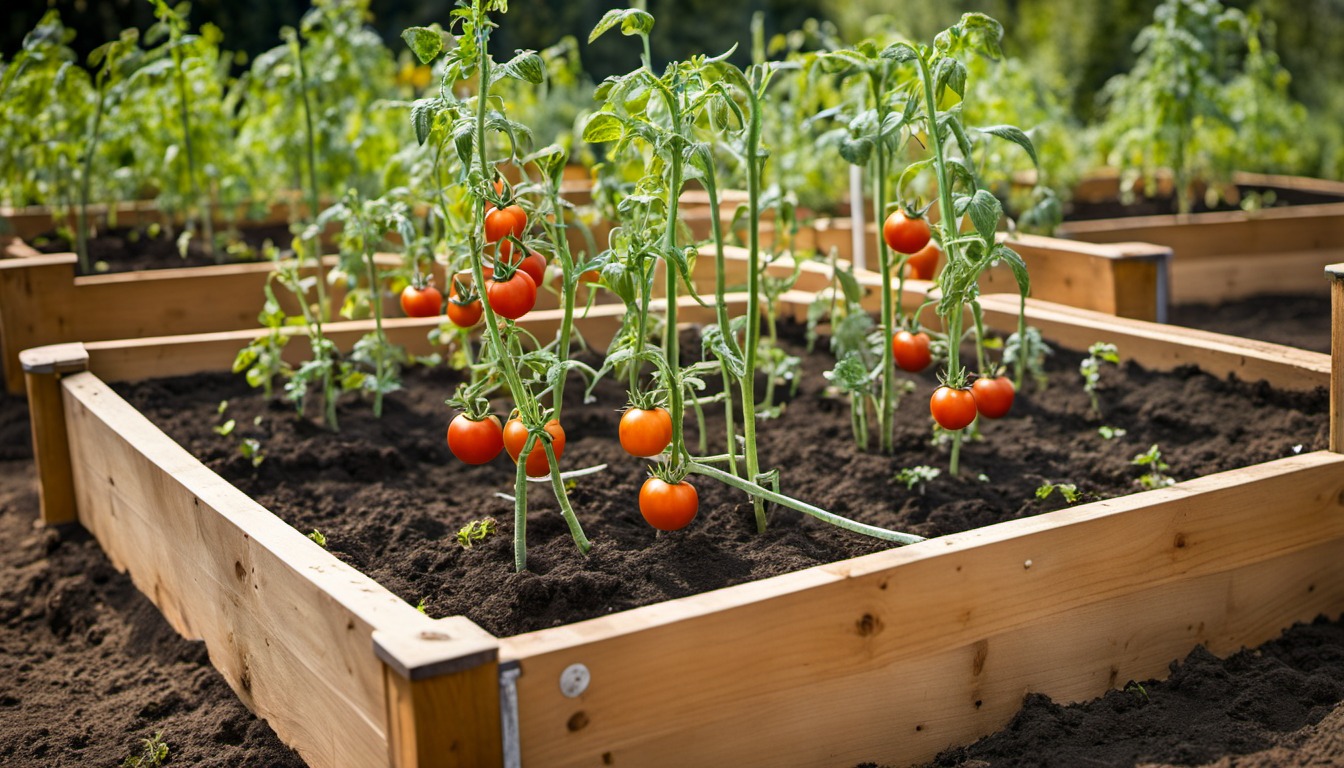
Example: troubleshoot fruit set
If blossoms fall in a hot low-desert week, note day and night temperatures, check moisture and inspect the plant before adding amendments. If the plant is otherwise healthy, wait for suitable conditions or plan a better-timed planting next season. If leaves or stems show a specific persistent problem, seek identification from county Extension rather than treating an uncertain diagnosis.
Harvest and learn
Pick fruit when it reaches the desired stage for the variety and handle it gently. Keep the bed accessible so ripe fruit and damaged material can be removed regularly. Record transplant date, heat, fruit set and harvest. Next season, compare that record with the local Extension calendar and select a variety or planting window that better fits your site.
Check a support tie
As a tomato stem thickens, an old tight tie can constrict it. Use a soft, loose tie and inspect it during harvest visits. Leave enough space around fruit for air and access; removing all foliage to expose fruit can increase sun exposure in a hot site, so make pruning decisions carefully.