Arizona garden field guide
Start Vegetable Seeds for an Arizona Garden
Starting seeds indoors can give a crop a head start, but a healthy transplant still needs the right outdoor window. Some vegetables are simpler to sow directly where they will grow.
Choose the method
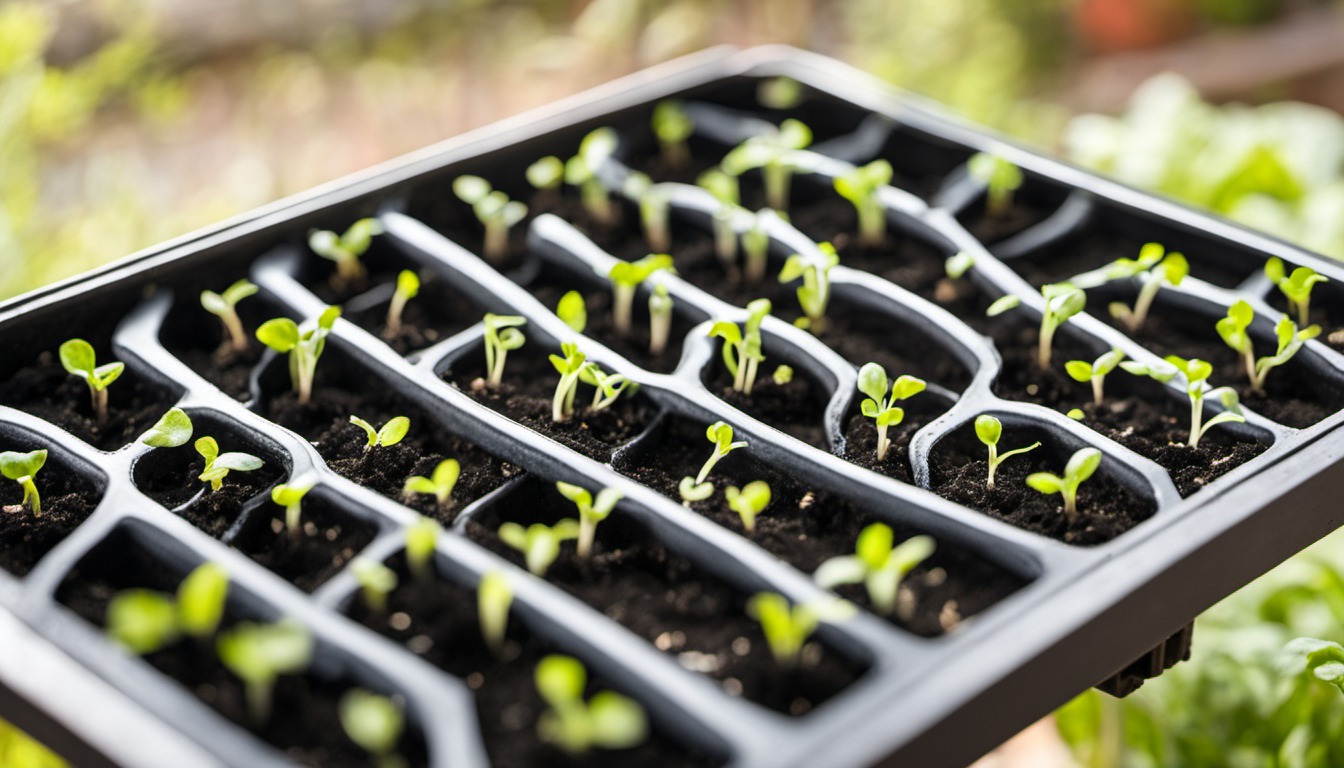
Read the packet and local Extension chart to see whether the crop is commonly direct-seeded or transplanted. Many root crops are better suited to direct sowing, while tomatoes and peppers are often started as transplants. Do not assume that a seedling’s indoor start date equals its outdoor planting date; those are different steps in the plan.
Count backward from a target
Choose an intended transplant date based on your local crop window, forecast and soil conditions, then subtract the packet’s recommended indoor growing period. The calculator provides arithmetic, not a forecast. At a higher site, leave flexibility for a late freeze; in the low desert, consider whether a long delay will push harvest into extreme heat.
Give seedlings a good start
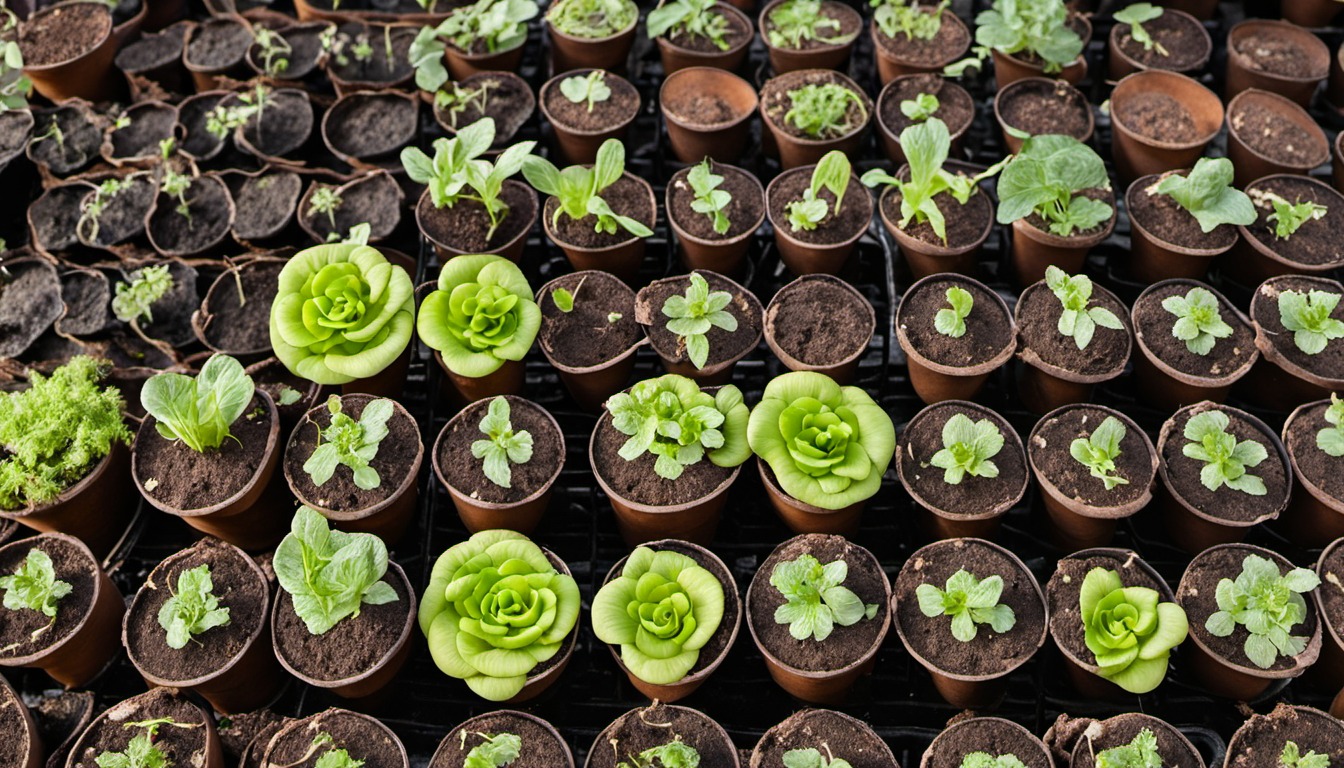
Use clean containers with drainage and a suitable seed-starting medium. Sow at the packet’s depth, moisten gently and provide appropriate warmth and light after emergence. Keep labels for crop, variety and date. Waterlogged mix can damage roots, while tiny cells can dry quickly in warm moving air; inspect them rather than relying on one daily routine.
Harden plants gradually
Introduce seedlings to outdoor light and wind in stages over several days, checking their small root balls frequently. Bring them indoors if weather is too cold or severe. Sudden full sun and wind can injure a plant that grew under sheltered indoor conditions. Do not plant merely because the average last-frost date has passed if the forecast or soil is unsuitable.
Example: a six-week start
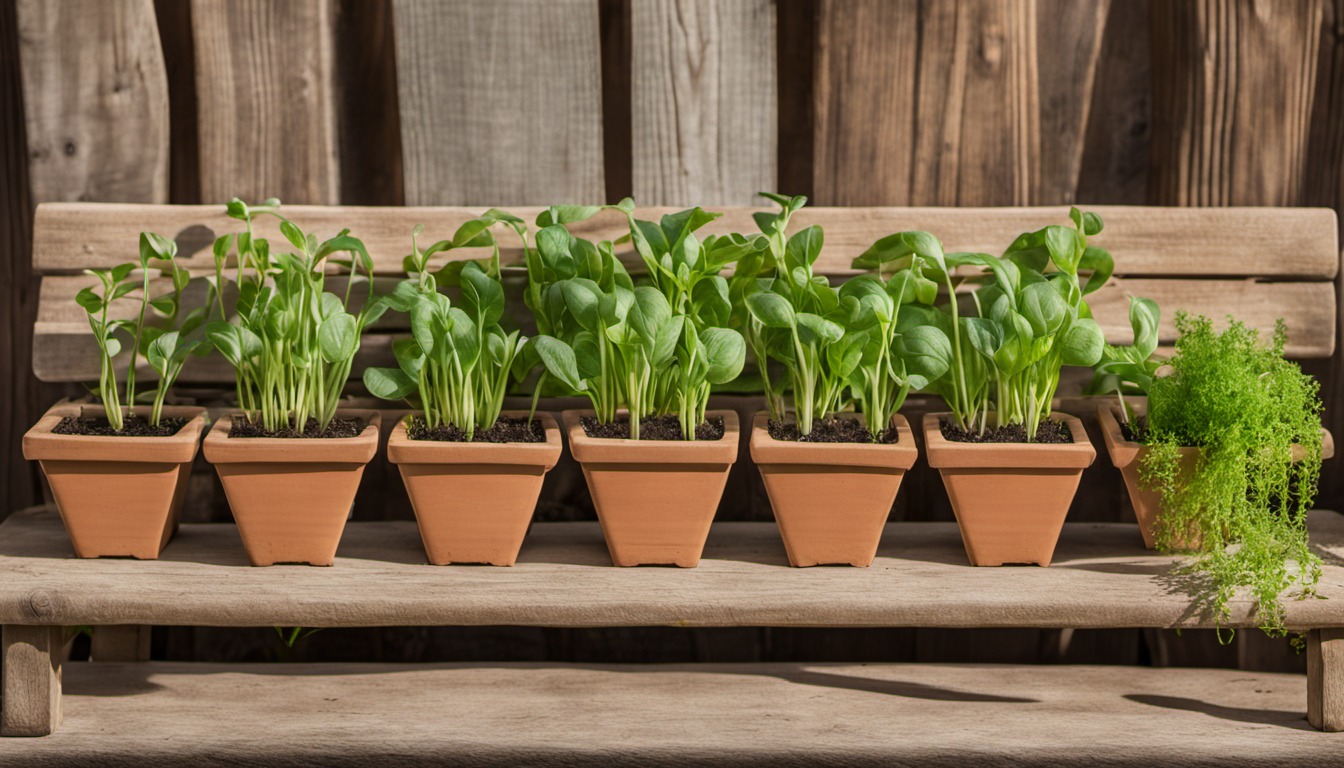
If a gardener intends to transplant on April 20 and a packet suggests six weeks indoors, counting back 42 days gives March 9. This is an example, not an Arizona recommendation. Verify the crop’s local window and prepare for weather delays. If the plant outgrows its cell, move it to an appropriate larger pot instead of forcing it into cold soil.
Learn from emergence
Record the sowing date, temperature conditions, emergence and transplant date. If a tray fails, check depth, seed age, moisture and temperature before sowing more. Compare a small second sowing with the first, and keep the crop’s remaining outdoor season in view. The goal is a sturdy transplant that fits the weather, not simply the earliest possible seedling.
Label a comparison
If you start the same crop on two dates, label both trays and record light, moisture and transplant readiness. The earliest tray may become root-bound while waiting for suitable weather. A later, sturdy plant can be more useful than a large stressed one, particularly when a cold forecast delays outdoor planting.