Arizona garden field guide
Grow Peppers in Arizona Gardens and Containers
Peppers need a warm season, but a small transplant exposed suddenly to intense sun or cool nights can stall. Choose the site and timing before choosing how many plants to buy.
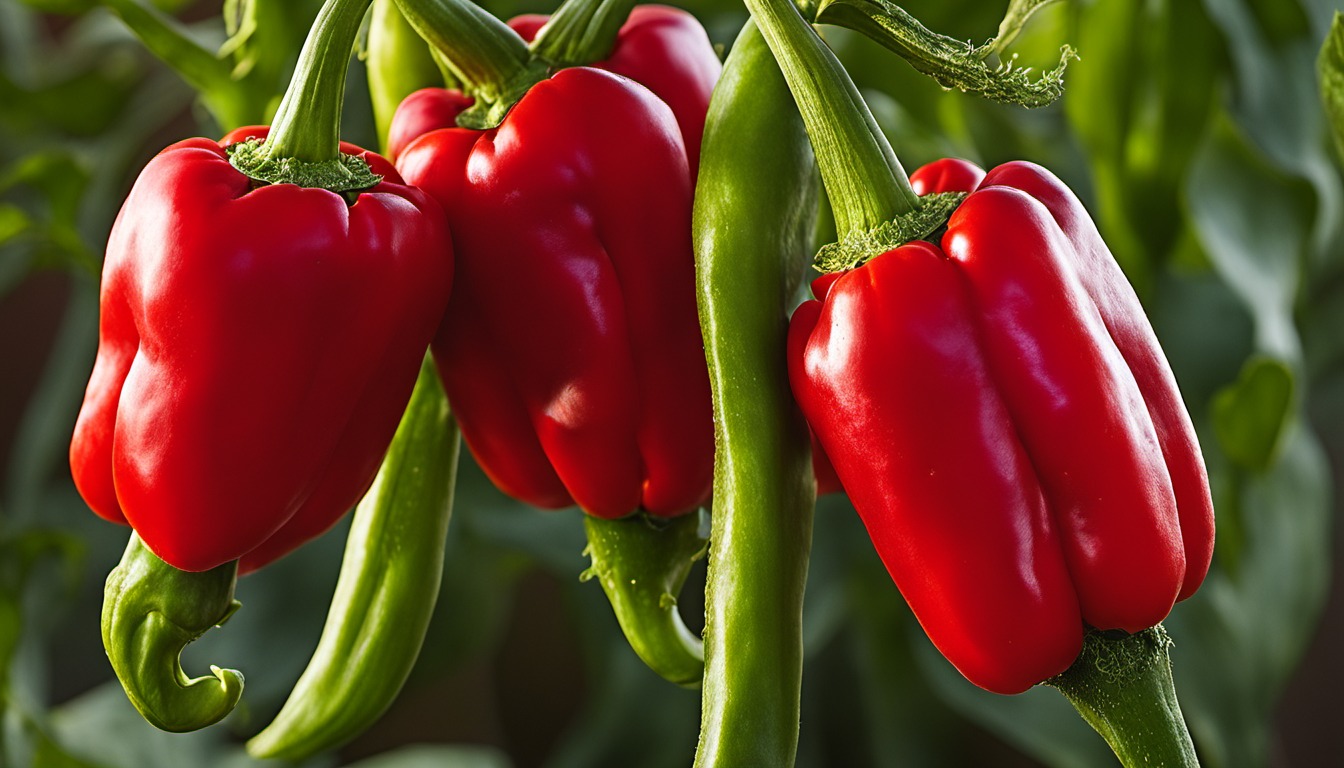
Match the variety to space
A compact pepper may suit a container, while a larger plant needs more bed space and support. Read the description for mature size, fruit type and expected days to harvest. University of Arizona’s local calendars identify crop windows; use the relevant county and method instead of applying a low-desert date to a colder mountain garden.
Prepare for transplanting
Harden seedlings gradually to outdoor light and wind. Wait for conditions suitable for a warm-season crop and monitor the forecast. Plant in well-drained soil at a suitable depth, water the root ball and place a small support before the plant becomes heavy. Do not crowd neighboring plants around the tiny transplant’s present size.
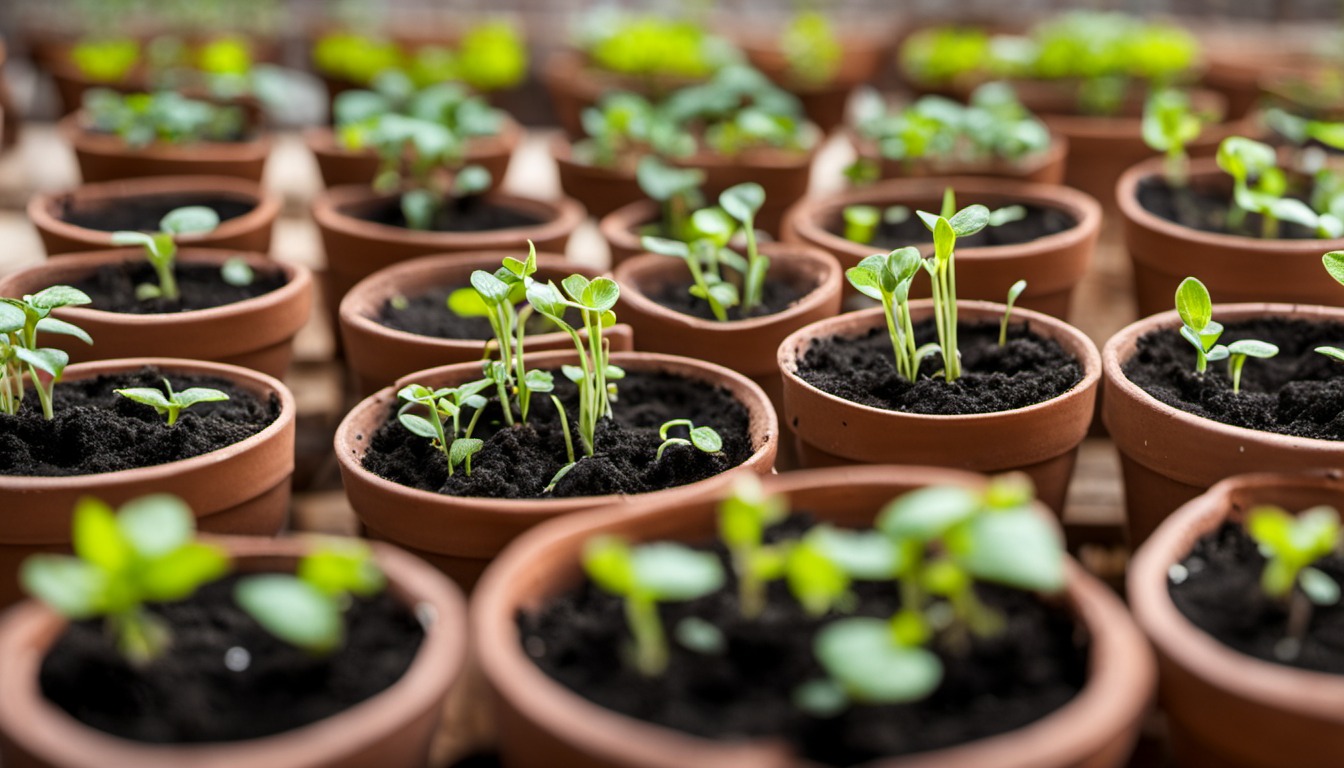
Water without guessing
Check the original root ball and surrounding soil; either can dry faster than the other. Keep the root zone supplied with water without leaving it saturated. Containers exposed to sun and wind may need more frequent checks than an in-ground bed. A mulch layer can reduce surface evaporation after plants establish, but keep it away from stems.
Respond to heat and flowers
A pepper may drop flowers or grow slowly under stress from temperature, water or root problems. Inspect conditions before adding fertilizer; extra nitrogen is not a universal cure for poor fruit set. Temporary shade may help a newly planted pepper establish in intense sun, but adjust it so the plant receives adequate light as conditions change.
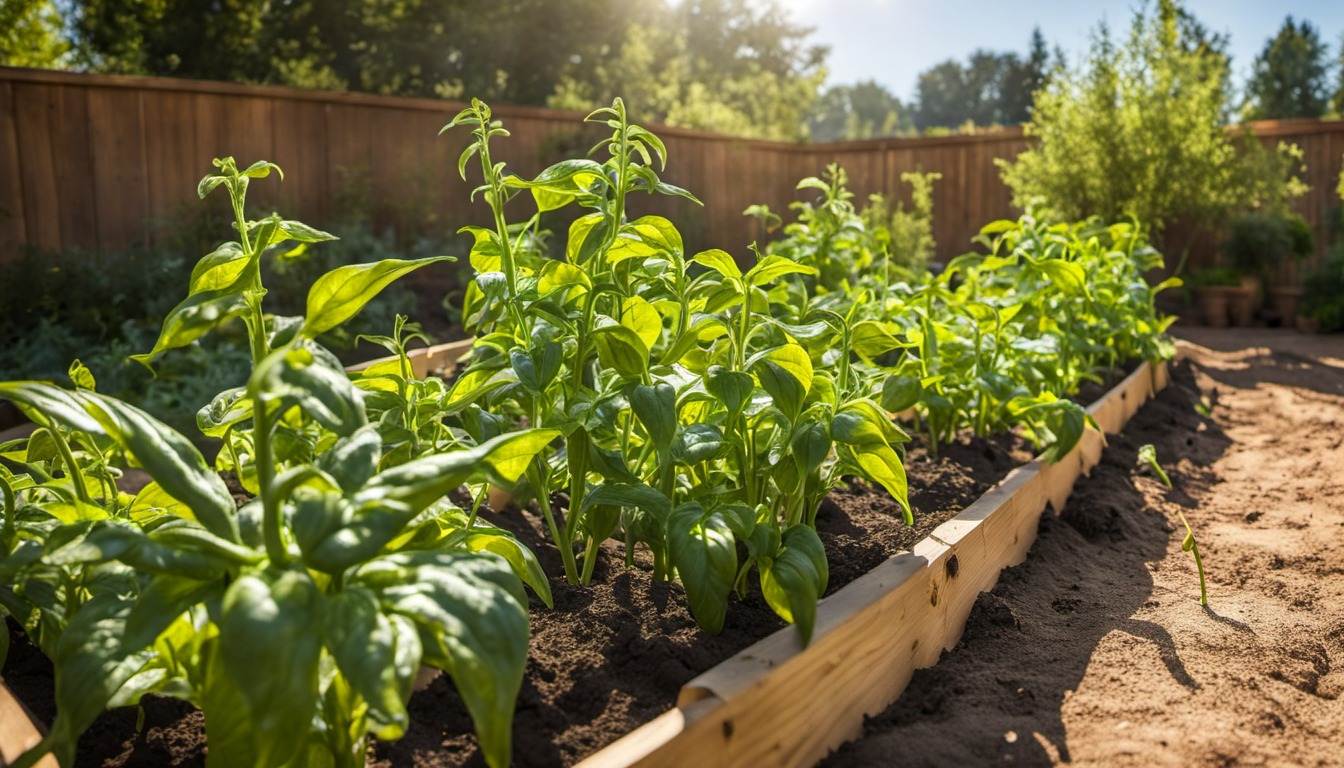
Example: a patio plant
Choose one appropriately sized pot with drainage, a compact variety and a secure stake. Place the pot where it gets useful light without constant reflected wall heat. Check mix below the surface on hot and windy days, and make sure a roof overhang has not kept rain from reaching the pot. Move it before severe weather if safe.
Pick and record
Harvest at the stage and color recommended for the variety, using a clean cutter if pulling might break a brittle branch. Record the transplant date, exposure and first harvest. If fruiting stopped during a heat spell, note the conditions and compare a different planting time next year rather than assuming every pepper variety responds identically.
Harvest without tearing
Pepper branches can be brittle when carrying fruit. Support the branch and use a clean cutter if pulling risks tearing it. Check the variety’s recommended harvest stage: green fruit and fully colored fruit may be the same variety at different stages, so the choice affects how long the plant carries it.