Arizona garden field guide
Help an Arizona Vegetable Garden Through Summer Heat
Arizona summer conditions differ sharply by elevation and exposure. In the low desert, sustained heat can end a crop’s productive window; at cooler sites, the same season may be prime growing time.
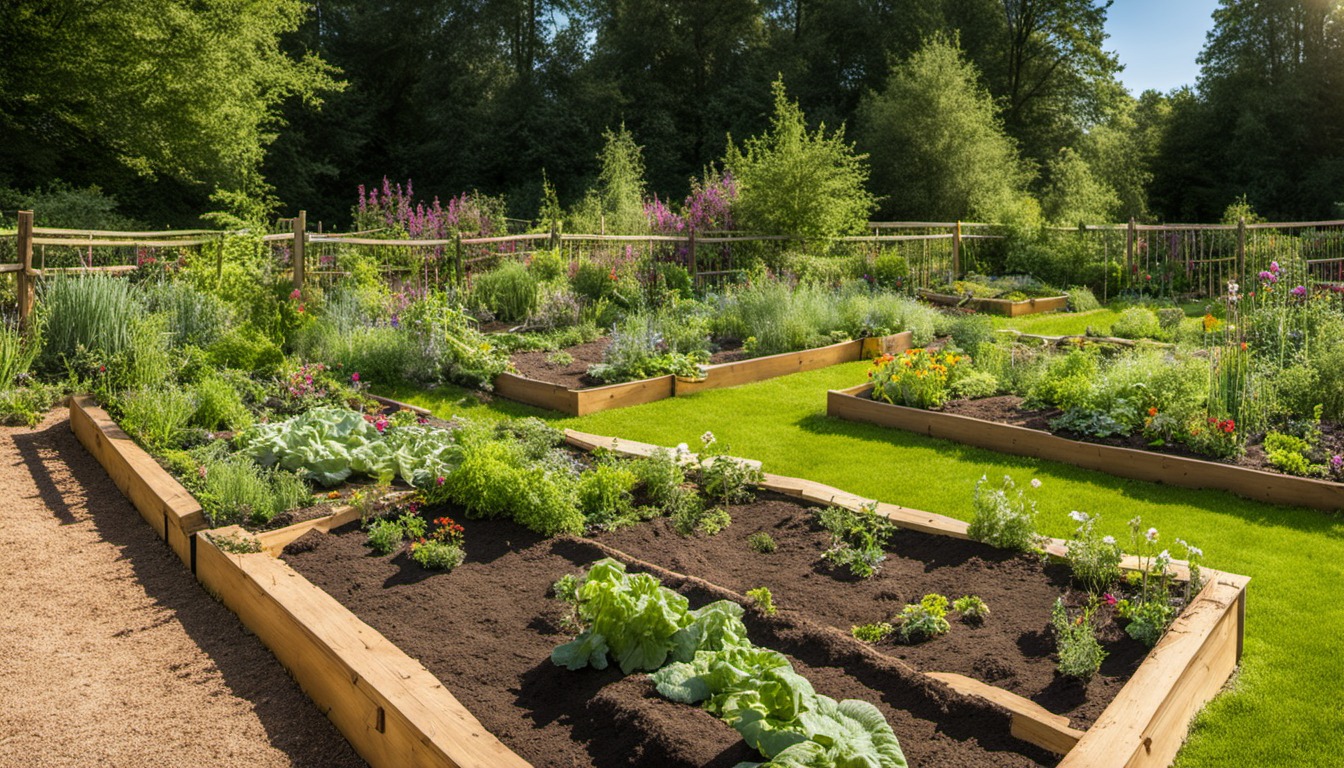
Look beyond a wilted leaf
A plant can wilt when soil is dry, but heat, saturated roots, disease and damaged irrigation can also contribute. Feel below the surface and inspect the root ball before adding water. Compare the two ends of a bed: if only one side is affected, a kinked line, a blocked emitter or extra reflected heat may be the useful clue.
Water the soil that roots use
University of Arizona notes that vegetables need consistent moisture and that different irrigation methods require management. Check how far water has moved into the soil after a run, then adjust flow or duration to the bed and crop. Newly germinated seeds need attention near the surface; established plants depend on a larger root zone. Avoid runoff and follow local restrictions.
Reduce unnecessary stress
Mulch can reduce evaporation and shade the surface, but leave space around stems and do not cover tiny emerging seedlings. In a high, cool garden, a thick layer can delay soil warming; time the application to the crop and site. In intense sun, temporary shade may help a new transplant establish. Remove or adjust it as conditions change.
Respect the crop’s season
A tomato is a warm-season crop, but very high temperatures can reduce pollen viability and fruit formation. More fertilizer is not an automatic answer to blossom drop. Check the local planting window and variety, pick ripe fruit promptly, and decide whether a struggling plant should remain or make room for a crop suited to the coming season.
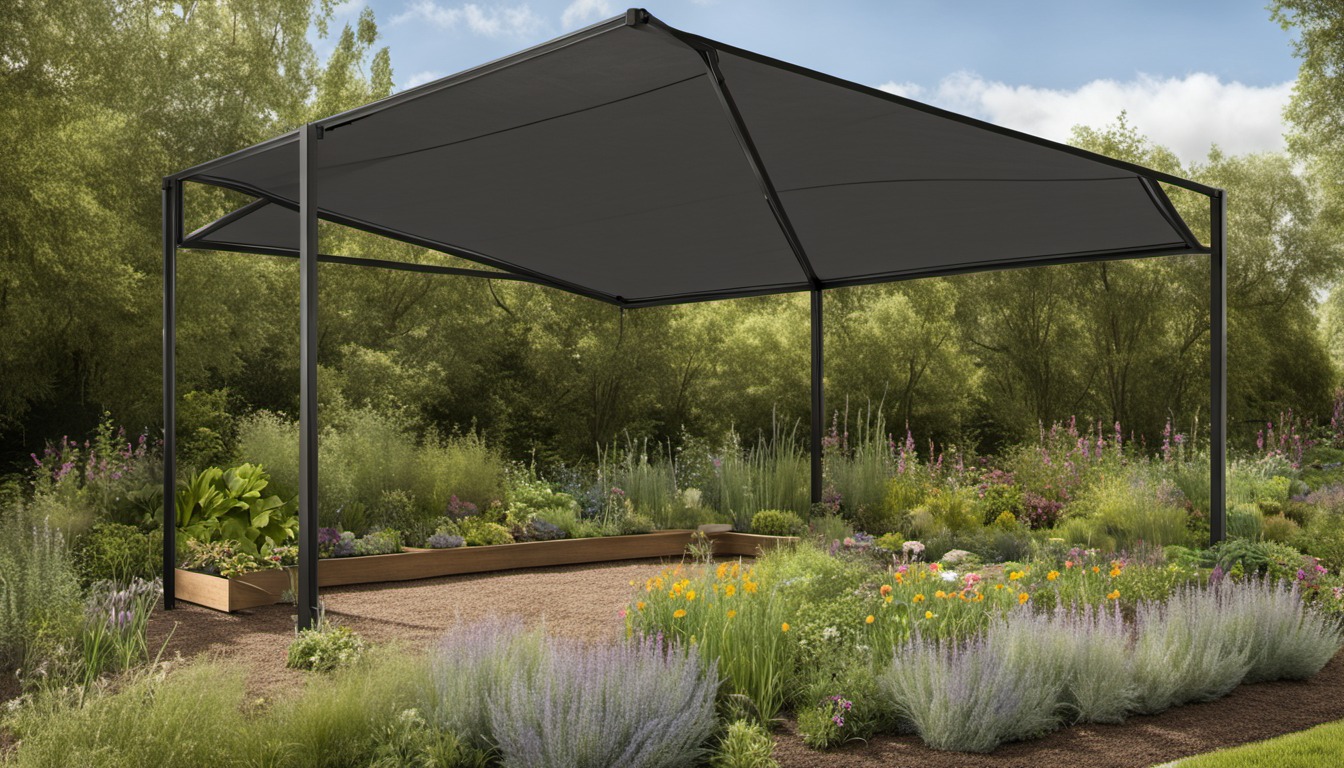
Example: an uneven garden bed
Imagine two pepper plants on one line: one is vigorous and the other wilts daily. Run the system briefly and check both emitters, then compare soil moisture at each root zone. Repair the obstruction or adjust placement before lengthening the whole schedule. If the affected soil is already wet, stop and investigate roots or other stress instead of adding more water.
Prepare for the next planting
List which beds will be available for fall crops and compare the dates with your county chart. Starting a suitable transplant separately can help if the bed is occupied, provided there is a practical plan to establish it in heat. Keep a short record of water checks, shade placement and harvest; it will reveal which locations need a different arrangement next year.
Look for reflected heat
A bright wall or paved surface can raise heat exposure for a plant even when a nearby bed looks comfortable. Check foliage and soil in both locations. If moving a container or shifting temporary shade helps, record the change; avoid placing fabric where it traps heat or creates a hazard in strong wind.