Arizona garden field guide
Grow Sweet Potatoes in an Arizona Garden
Sweet potatoes need a warm growing season and room for their vines. The portion harvested is a storage root; it is a different crop from the cool-season Irish potato.
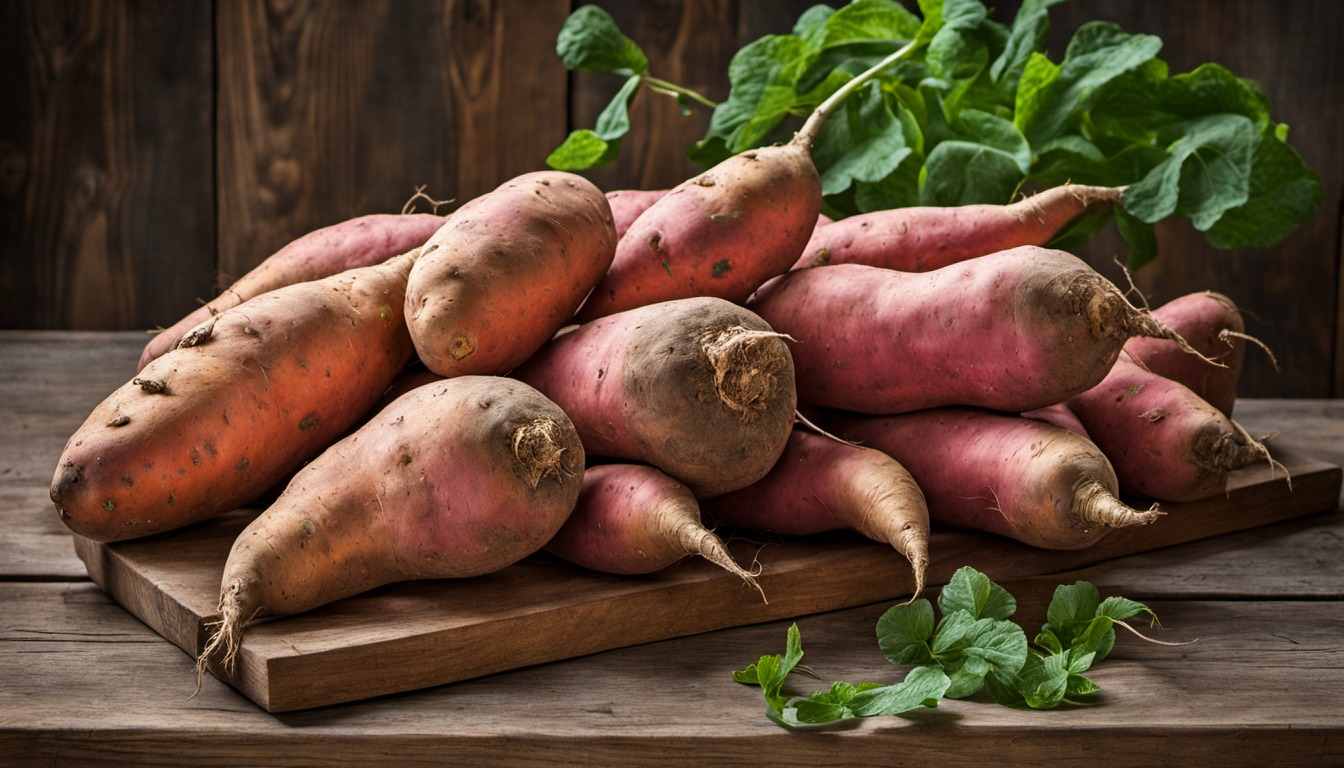
Start with the available season
Use a reputable source for healthy planting slips and check the variety’s days to maturity. University of Arizona includes sweet potato among warm-season vegetables; local planting and fall cold vary widely. Compare your county recommendations, soil warmth and expected first frost with the variety’s needs before committing a large bed.
Give vines room
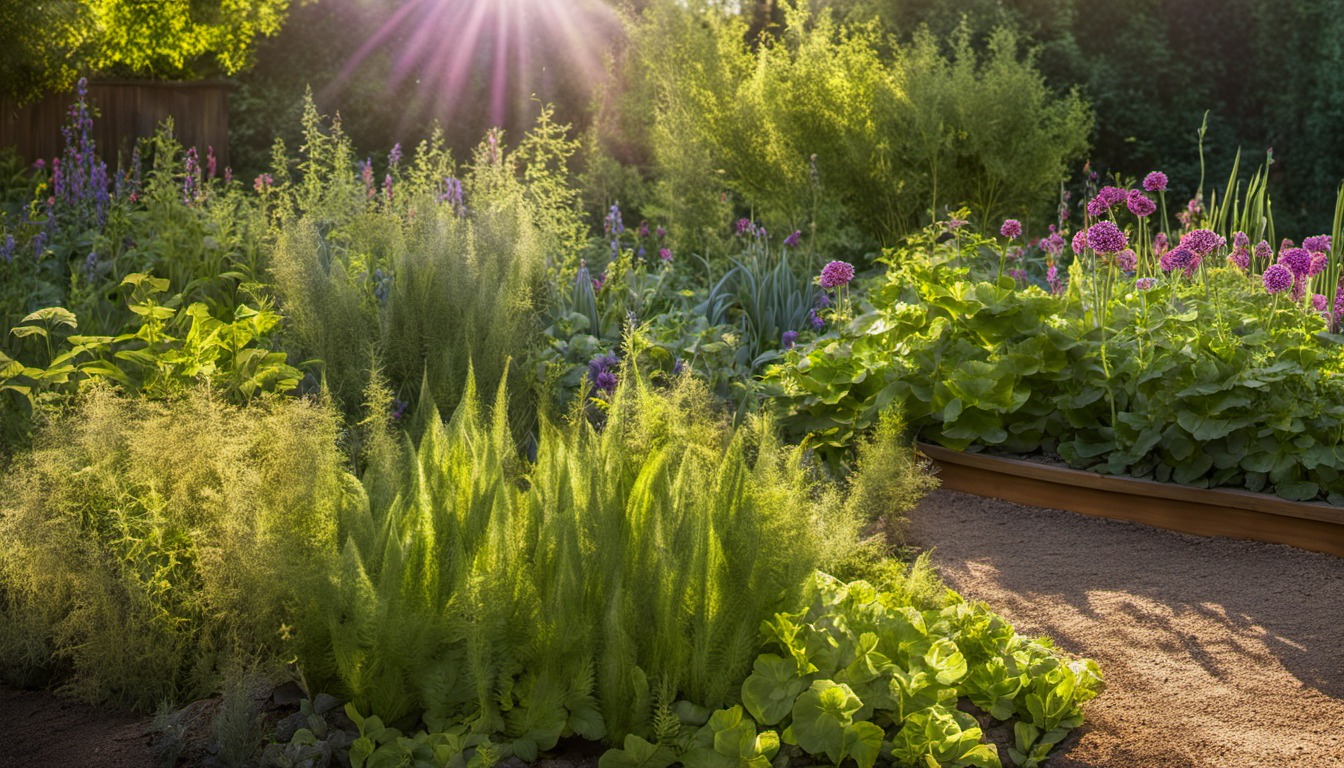
Sketch the mature vine area and a path for inspection. A vigorous vine can spill over a neighboring bed or cover an irrigation line. Choose a sunny, well-drained location and arrange the watering system while the bed is accessible. Avoid packing plants tightly simply because the slips are small on planting day.
Establish plants carefully
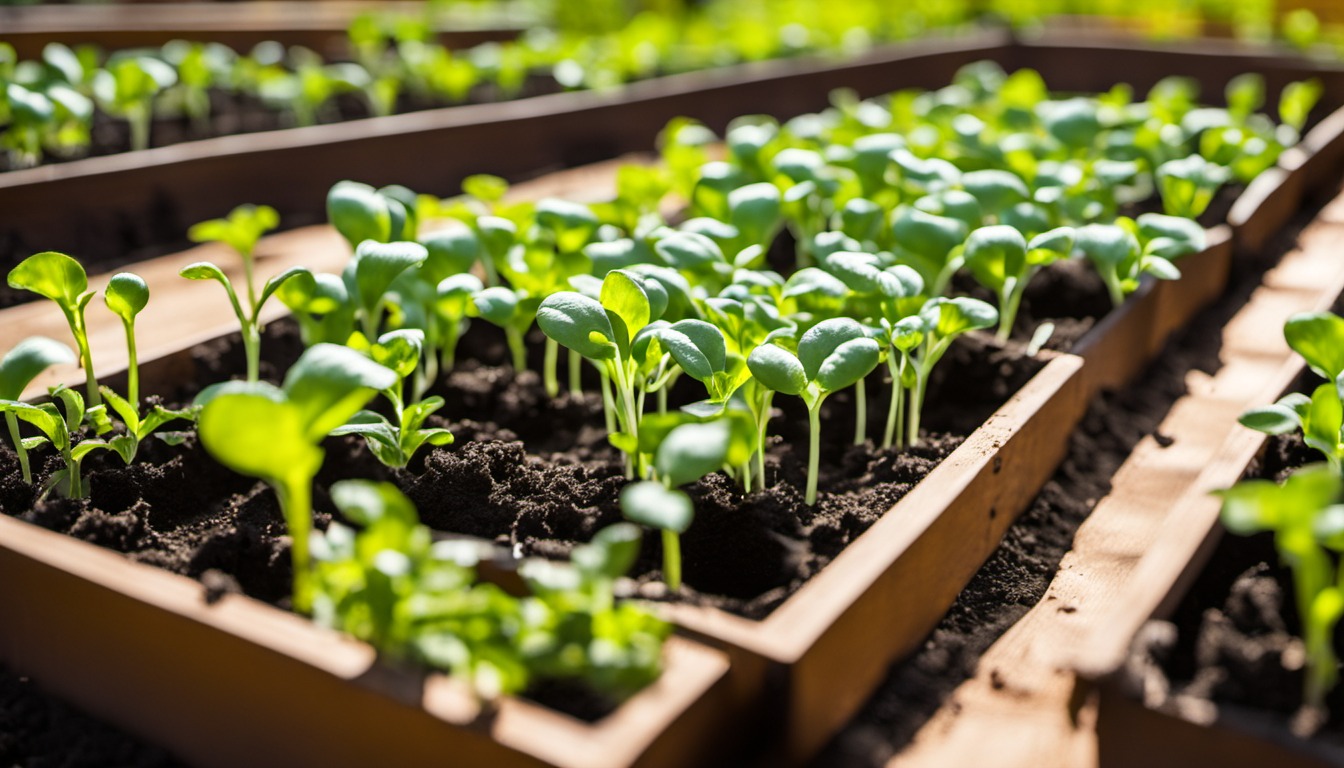
Set slips according to the supplier and local Extension guidance when conditions suit the crop. Water the root zone during establishment without keeping soil continuously saturated. Check the base and surrounding soil separately, especially during hot wind. A mulch layer can shade exposed soil, but do not bury the young stem under a pile of material.
Watch growth and irrigation
Follow vines along the row and inspect both ends of the watering system. Excessive fertilizer is not a substitute for diagnosing poor establishment, and lush leaves alone do not reveal what is developing below the soil. If plants decline, check moisture, drainage, pests and the weather before selecting a remedy.
Example: try a short row
A first-time grower can plant a small, labeled row of one suitable variety and record its planting date. Near the expected harvest, gently inspect a small area rather than digging up the whole bed at once. If roots are not ready and weather permits, leave the remaining plants. Compare the final result with the variety’s expected maturity and actual conditions.
Harvest with care
Loosen soil with enough clearance to avoid cutting the roots, and handle harvested roots gently. Use current Extension or variety-specific guidance for curing and storage rather than assuming all roots store equally. Note harvest date, plant spacing and yield quality; if the season was too short, select a more suitable crop or variety next time.
Protect the harvest
A storage root can bruise even if the damage is not obvious immediately. Start digging well away from the crown, loosen the soil and lift gently. Keep cut or damaged roots separate for prompt use according to food-safety guidance, and follow a reliable crop-specific source for curing and storage conditions.