Arizona garden field guide
An Arizona Garden Calendar Built Around Your Weather
Arizona has no single vegetable season. A low-desert backyard and a garden in a higher, colder community need different calendars; even neighboring beds can warm and dry at different rates.
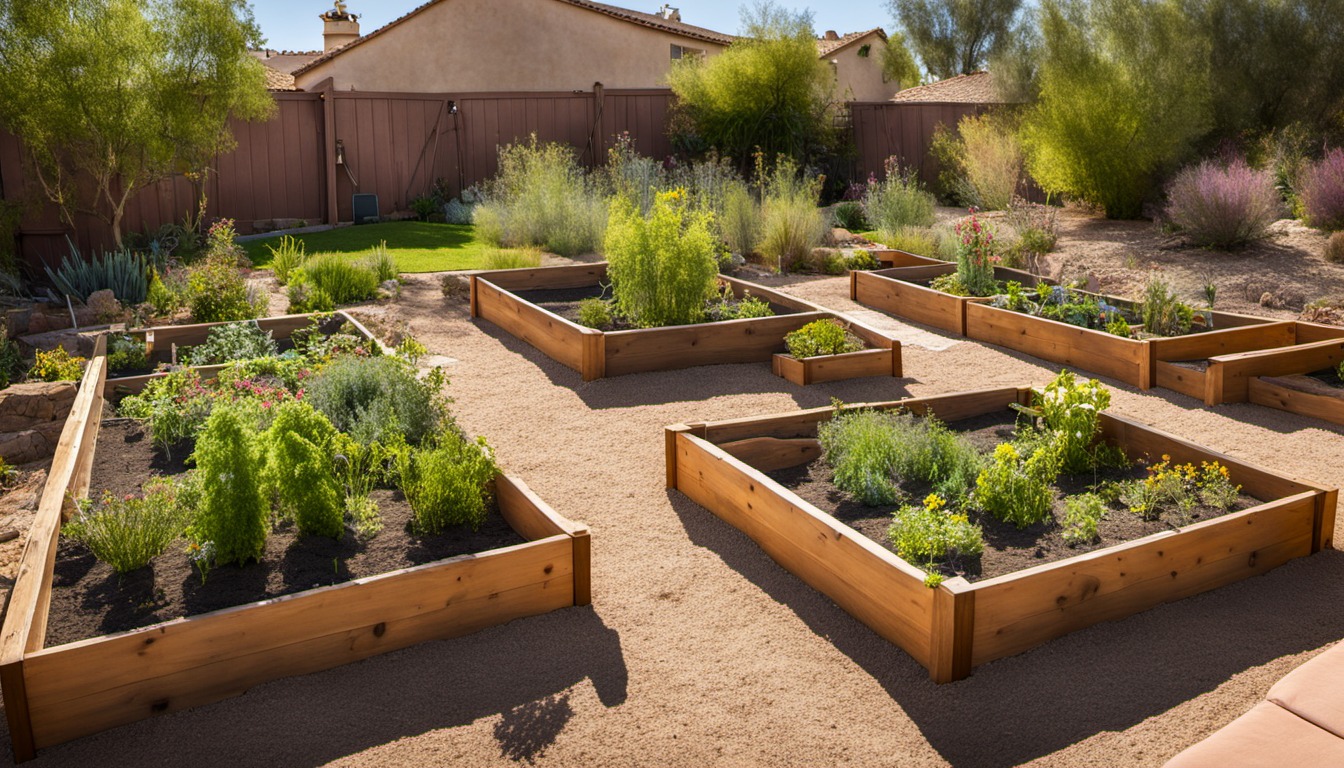
Find your local starting points
Choose a nearby weather record for average spring and fall frost and write down the station. An average is not a promise, so keep watching the forecast. The USDA hardiness zone summarizes average extreme winter cold for perennial survival; it is not a vegetable sowing date. At higher elevations, the Arizona Extension guide emphasizes actual air and soil temperatures and expected frost over elevation alone.
Match a crop to the climate
The statewide Extension guide describes two general planting periods at lower elevations and a mainly spring-to-summer period at many higher elevations. Treat those as broad patterns. Look up a crop and planting method in your local county calendar, then compare your own exposure, soil temperature and forecast. A Maricopa County date is not automatically a Flagstaff date.
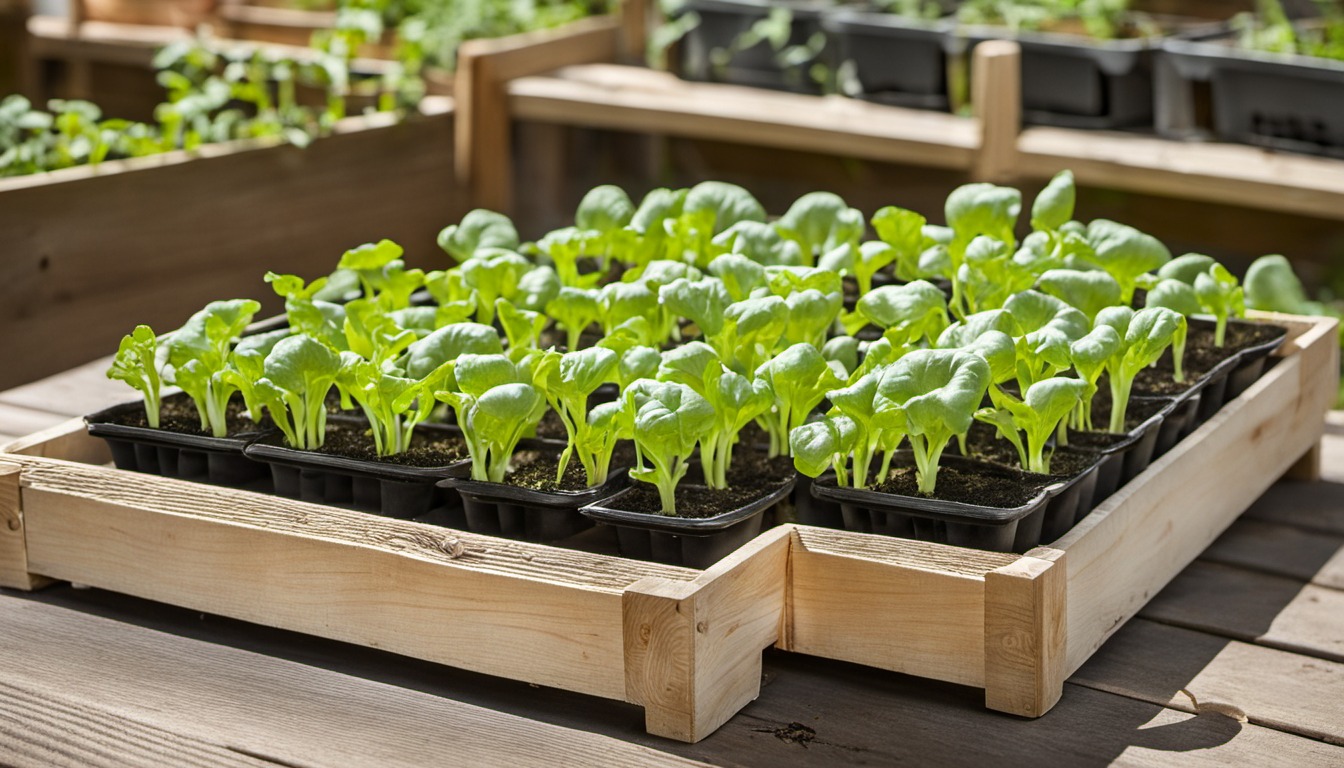
Reserve space and water
Sketch your beds with mature dimensions, paths and supports. Record when the current crop is likely to finish and whether the next one can be established before its window closes. A garden calendar is also a water calendar: a seed row needs different attention from an established plant, and a newly planted bed may need checks during a hot spell.
Work backward from harvest
Use the variety’s days to maturity as an estimate, checking whether the packet counts from seed or transplant. For a fall planting, subtract those days and allow for slower growth as conditions cool. Then compare the result with the crop-specific local recommendation. A frost-tolerant green and a tender bean cannot share an identical last planting deadline.
Example: schedule a small bed
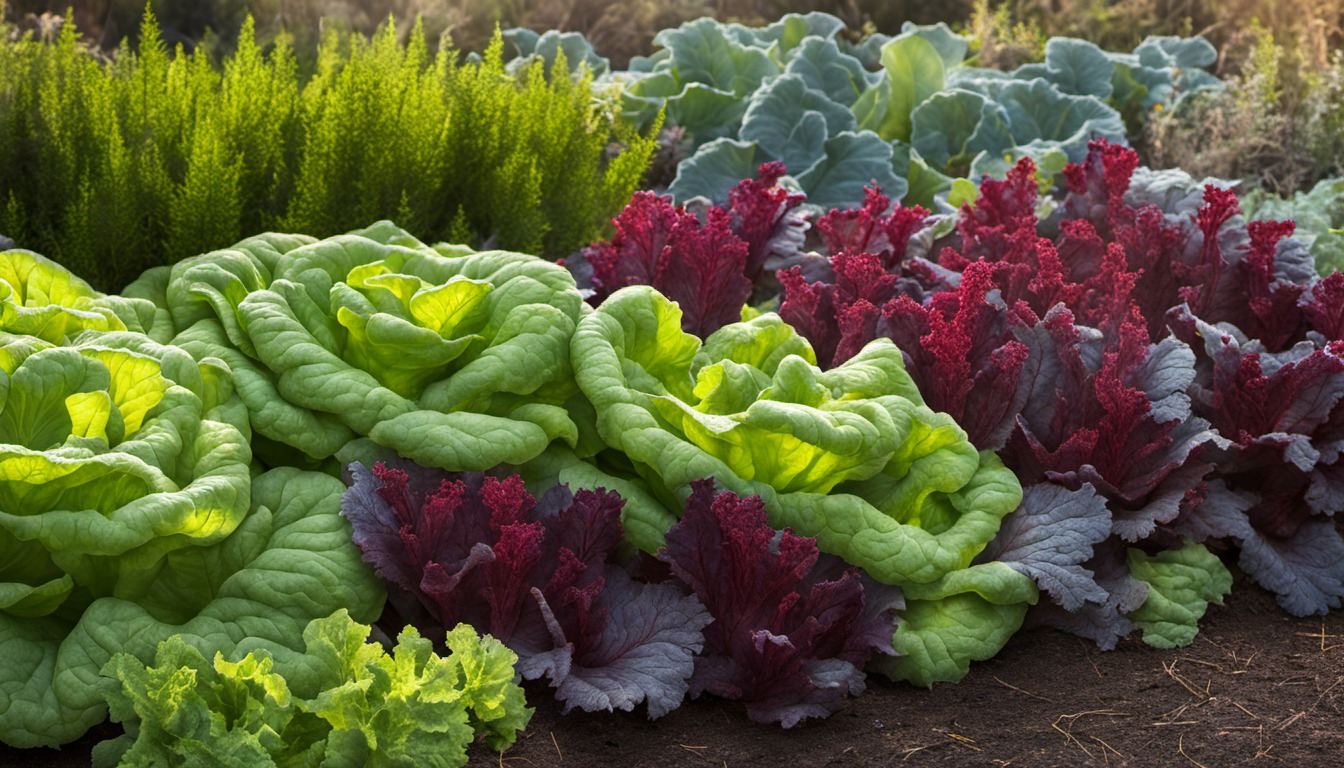
Suppose a low-desert gardener wants greens after a spring tomato. Check the local fall chart before removing the tomato; if it is still productive, start a small tray or reserve another patch. At a higher site, compare the desired harvest against the expected fall frost and temperature guide. Mark both the planned and actual dates so next year’s decision reflects the bed’s real turnover.
Keep the calendar useful
Each week note emergence, harvest, wind, irrigation and unusually hot or cold events. A single season is not a new climate average, but it can reveal a wall that heats a bed or a low pocket that stays cold. Keep the Extension chart’s county and publication date beside your notes, and adjust one decision at a time rather than shifting every planting date.
Make the next week actionable
Choose one bed and identify its next available planting date, the source’s county or elevation scope, and the job due first. If soil preparation is delayed by rain or heat, move that job and check whether the chosen crop still fits. Keep an alternative crop on the sketch so an occupied bed does not force a rushed late planting.