Arizona garden field guide
Water an Arizona Vegetable Garden Wisely
Arizona vegetable beds need a reliable water plan, but no single timer setting fits a shallow seed row, a mature tomato, a sandy bed and a shaded container.
Start with the root zone
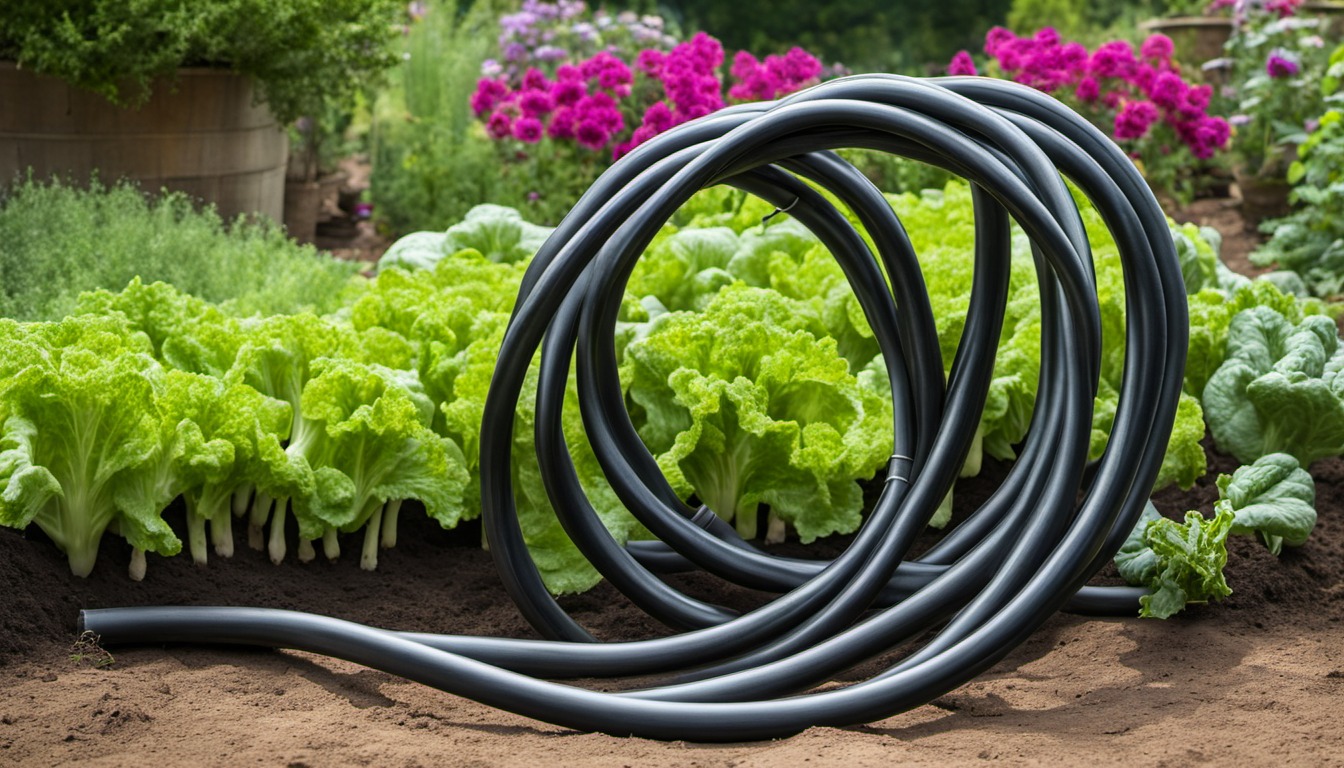
Check moisture below the surface before watering. Young seed needs a consistently moist germination zone; established plants use a larger volume of soil. University of Arizona notes that vegetables suffer from repeated drought as well as excessively wet soil. Soil texture, weather, crop size and rain all change how quickly a bed dries.
Measure what the system does
For drip, inspect flow at each emitter and verify that wetting reaches the roots. For a sprinkler, use several straight-sided catch containers to estimate the distribution, not just the time the valve is open. Apply water in shorter cycles if it runs off and check the soil afterward. Repair a leak or blockage before increasing the whole zone’s duration.
Use a simple volume estimate
One inch of water over one square foot is about 0.623 gallons before losses. A 32-square-foot bed with a chosen shortfall of half an inch therefore represents about ten gallons applied evenly. This is arithmetic, not a universal weekly prescription: rainfall effectiveness, evaporation, plant needs and distribution losses determine the actual decision.
Reduce waste and stress
Appropriate mulch can slow evaporation and suppress weeds once plants are established. Keep the material away from stems and leave tiny seed rows visible. Watering the soil instead of routinely wetting foliage can reduce unnecessary leaf wetness. In a container, confirm drainage and avoid letting the pot stand indefinitely in collected water. Follow current local restrictions.
Example: a dry end of a row
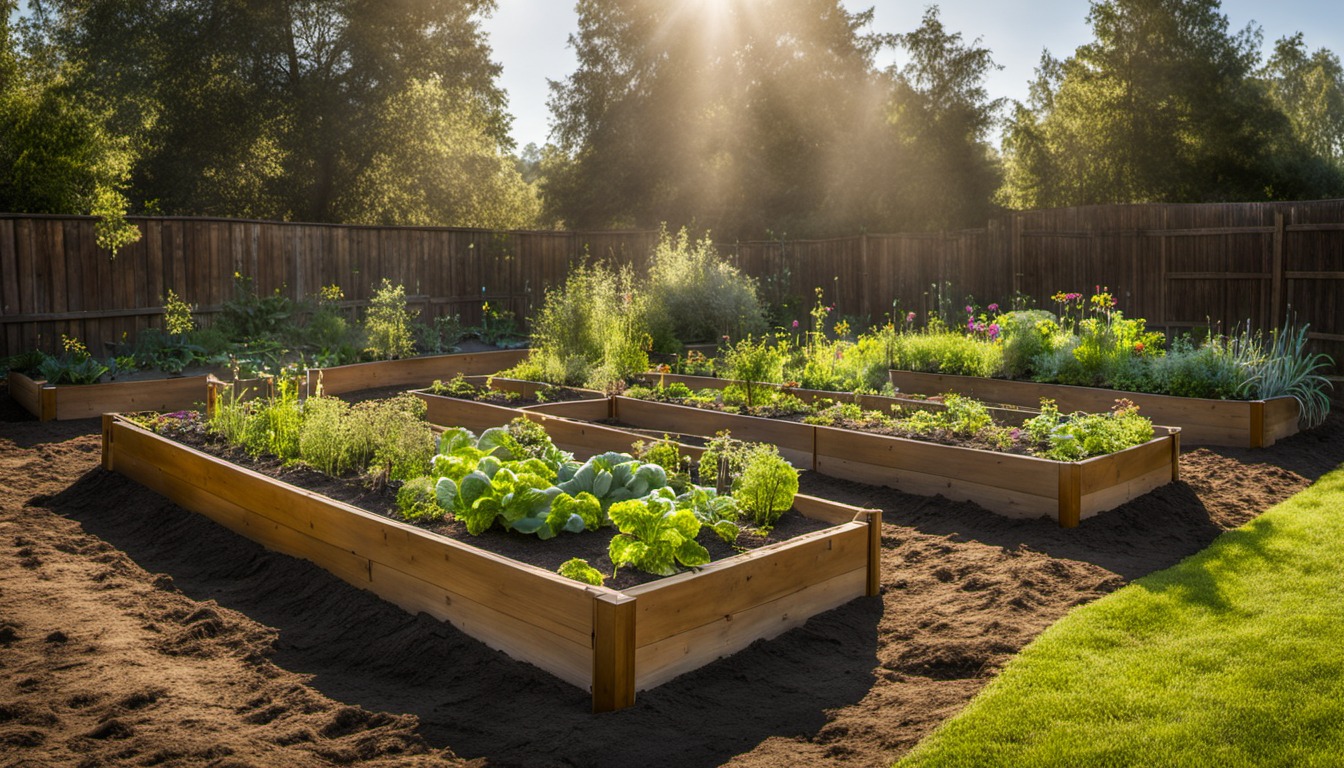
A gardener finds one end of a bed dry while the other is moist. Check the line for a kink, clogged emitter, pressure difference or mismatched spacing. Dig near both ends after a short run. Fix the actual distribution problem, then recheck rather than adding the same extra water everywhere and risking saturation at the wet end.
Adapt to the season
Hot wind, plant growth and rainfall change the schedule; inspect the bed more often during germination and a heat wave. A cooler higher-elevation garden can also dry out in wind. Keep notes on irrigation duration, weather and soil checks, then use the water-budget and drip-time tools as estimates to refine, not replace, observation.
Translate volume into time
If a measured irrigation zone delivers 30 gallons per hour, applying 10 gallons would take about 20 minutes before losses. Measure the operating zone rather than assuming a pump or emitter label is the delivered flow. Check for runoff and soil penetration, and split the run if the bed cannot absorb it at once.