Arizona garden field guide
Mulch an Arizona Vegetable Garden
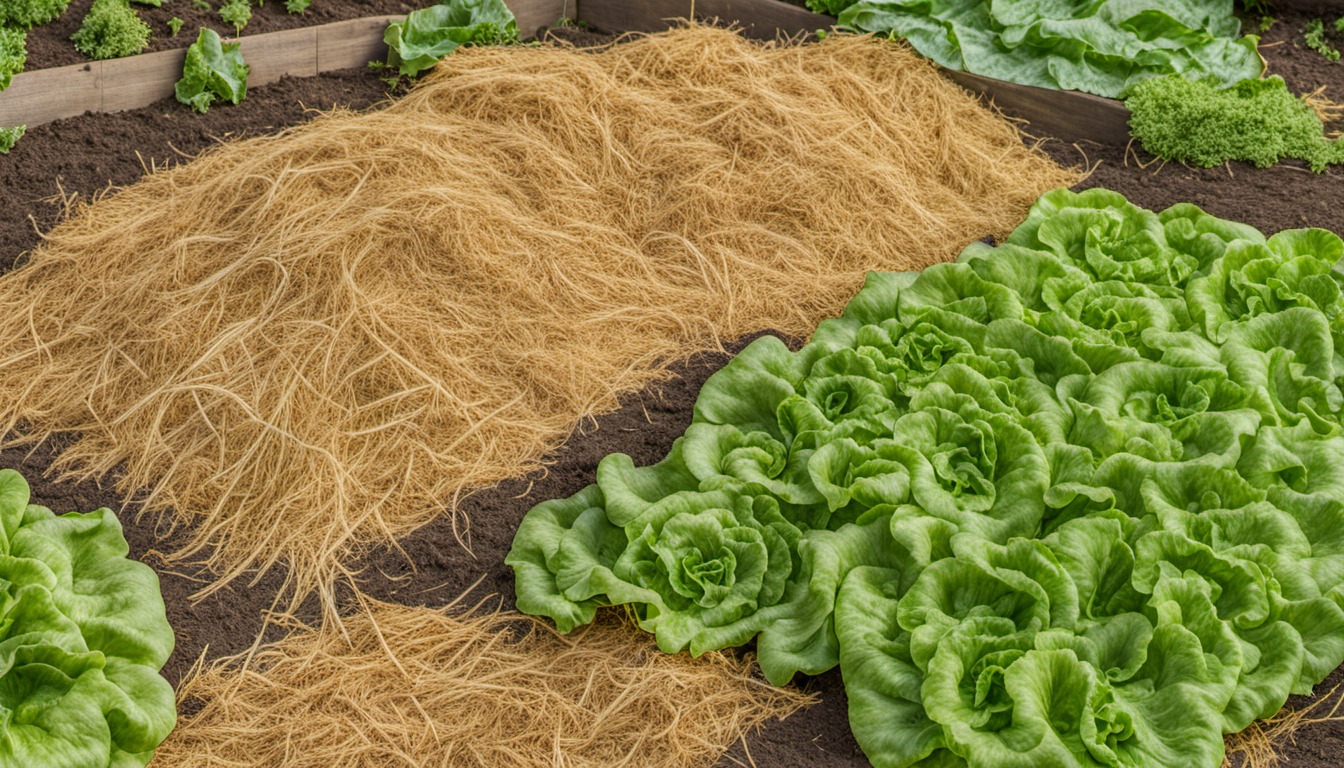
Mulch is a surface covering with several possible benefits, but its timing matters. A material that protects soil from intense low-desert sun can also slow warming in a cool higher-elevation bed.
Choose the job first
A clean, appropriate organic material can shade soil, reduce evaporation and suppress some weeds. Paths may use a different material from the vegetable root zone. Avoid material that could carry herbicide residues, weed seed or contaminants, and check its source. Mulch is not a substitute for drainage, suitable plant spacing or an adequate water supply.
Time the application
University of Arizona notes that organic mulch cools soil and can retard growth at higher elevations. Let a cool bed warm when a crop needs warmth, then apply material as appropriate after plants are established. In intense heat, surface protection can be useful, but keep the seed row visible so tiny seedlings are not smothered.
Leave room around stems
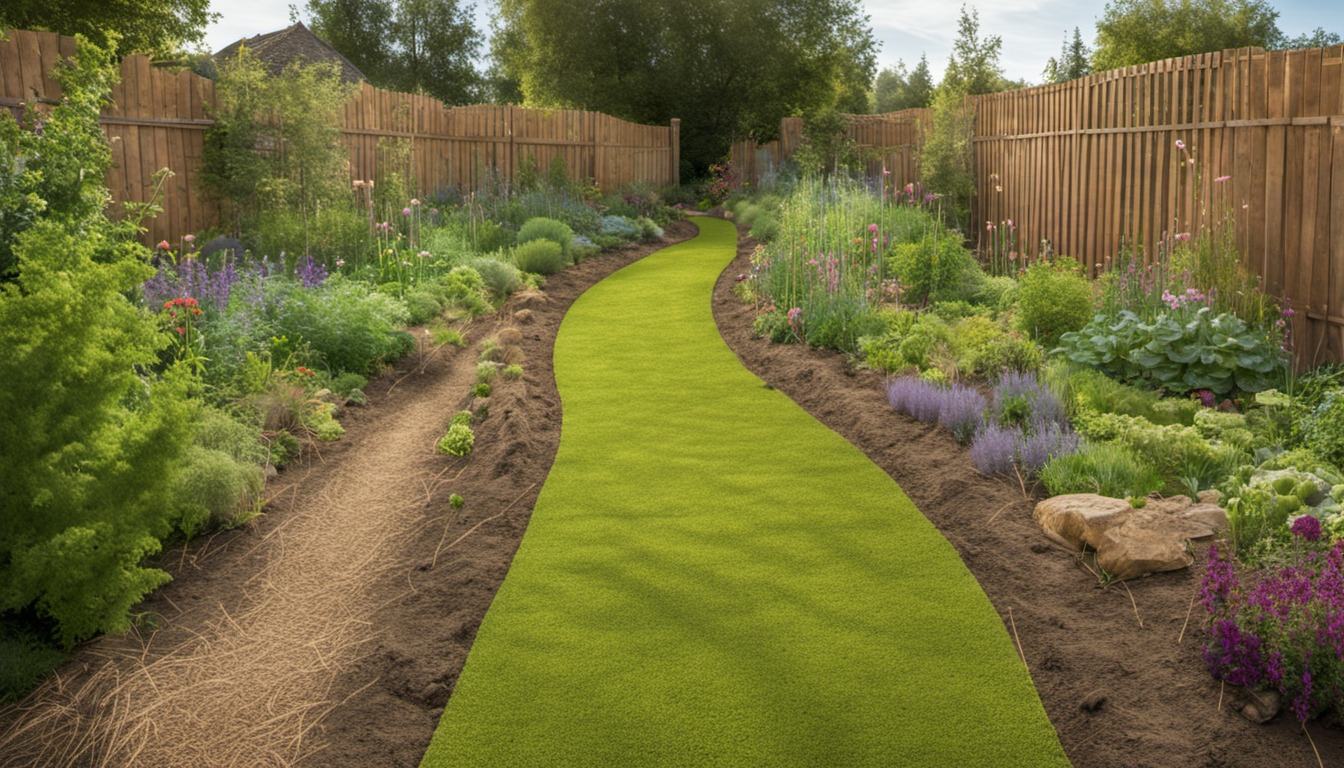
Spread material evenly without piling it against a stem. Depth depends on the material and purpose; loose straw settles differently from finer material. Pull weeds before covering the soil and maintain access to irrigation. If a line is hidden under mulch, inspect it occasionally for leaks and blocked emitters rather than assuming it works.
Check beneath the cover
The surface of mulch is not a soil-moisture reading. Pull a small section aside and feel the root zone before irrigating. A bed can remain saturated beneath a dry-looking surface, or dry out despite a neat cover. In a container, leave sufficient space for water to enter without spilling off the rim.
Example: two Arizona beds
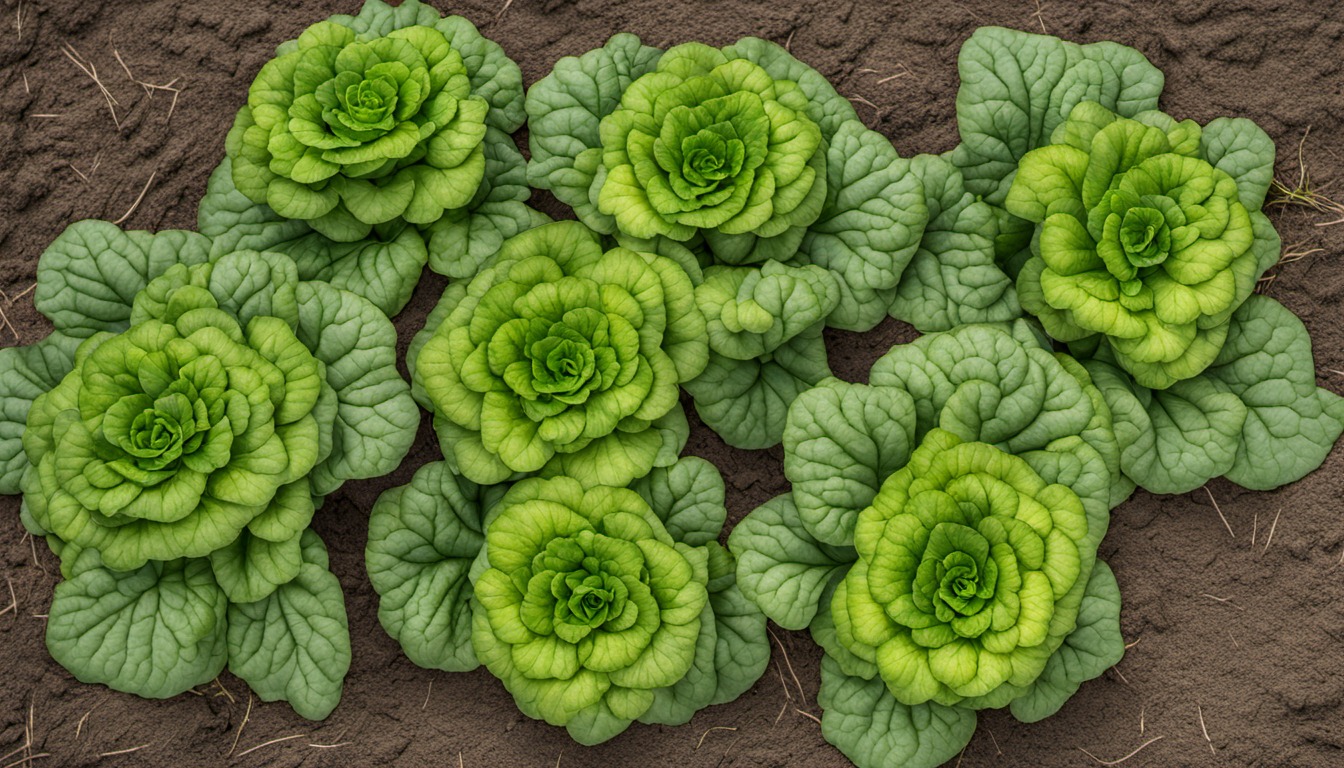
A low-desert gardener uses a light organic layer after transplants establish to shade exposed soil. A higher-elevation gardener waits until the bed has warmed for a warm-season crop. Neither decision requires a fixed calendar date: compare soil temperature, crop needs and actual weather. Measure the bed before buying material to avoid ordering far more than needed.
Reassess during the season
Strong wind or heavy rain may shift light materials. Reposition mulch once conditions are safe and keep paths clear. If weeds emerge, remove them while small without damaging shallow roots. At the end of the crop, decide whether the material is clean and suitable to remain; keep diseased plant debris out of an ordinary home compost pile when advised locally.
Calculate before buying
For an 8-by-4-foot bed, a one-inch layer covers about 2.7 cubic feet before settling. Measure your own area and desired depth, and remember that material texture affects coverage. Keep a little extra for displaced areas rather than applying a thick pile against stems simply to use the entire bag.