Arizona garden field guide
Plan an Arizona Fall Vegetable Garden
A fall garden may have to begin while the bed still feels like summer. In the low desert the coming cool season opens new possibilities; at colder higher sites the first frost can arrive much sooner.
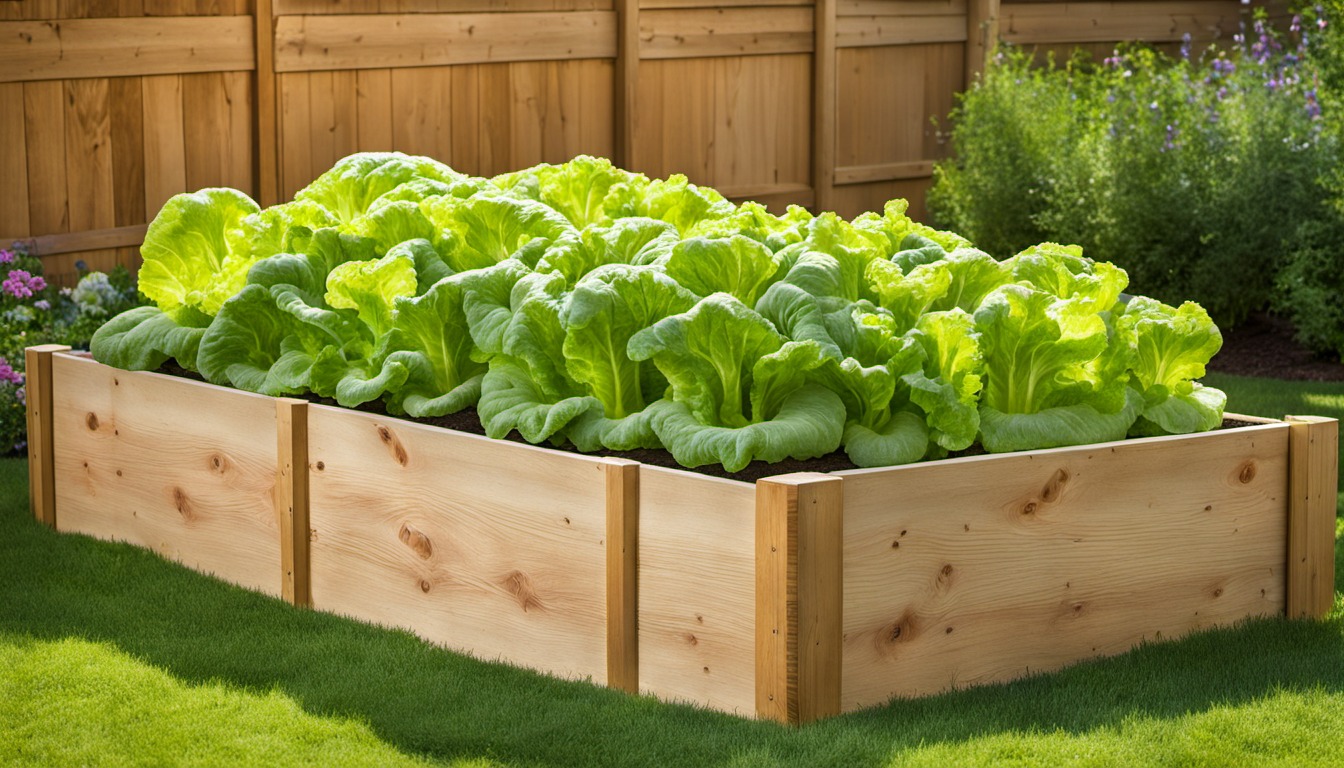
Start with the right local window
Compare the crop and method in your county Extension guide, not an undifferentiated statewide date. The Maricopa table describes that county’s seasons; a higher-elevation gardener should also consider expected frost, soil warmth and the crop’s tolerance. Check the variety’s maturity estimate and whether it counts from sowing or transplanting.
Make room without wasting a crop
Estimate when an existing summer plant will stop being useful and when the fall bed must be ready. If the space opens too late, a shorter crop or a separate small bed may be better than forcing the original plan. For crops that transplant well, a protected tray can bridge the transition, but only if the resulting transplant still fits the local window.
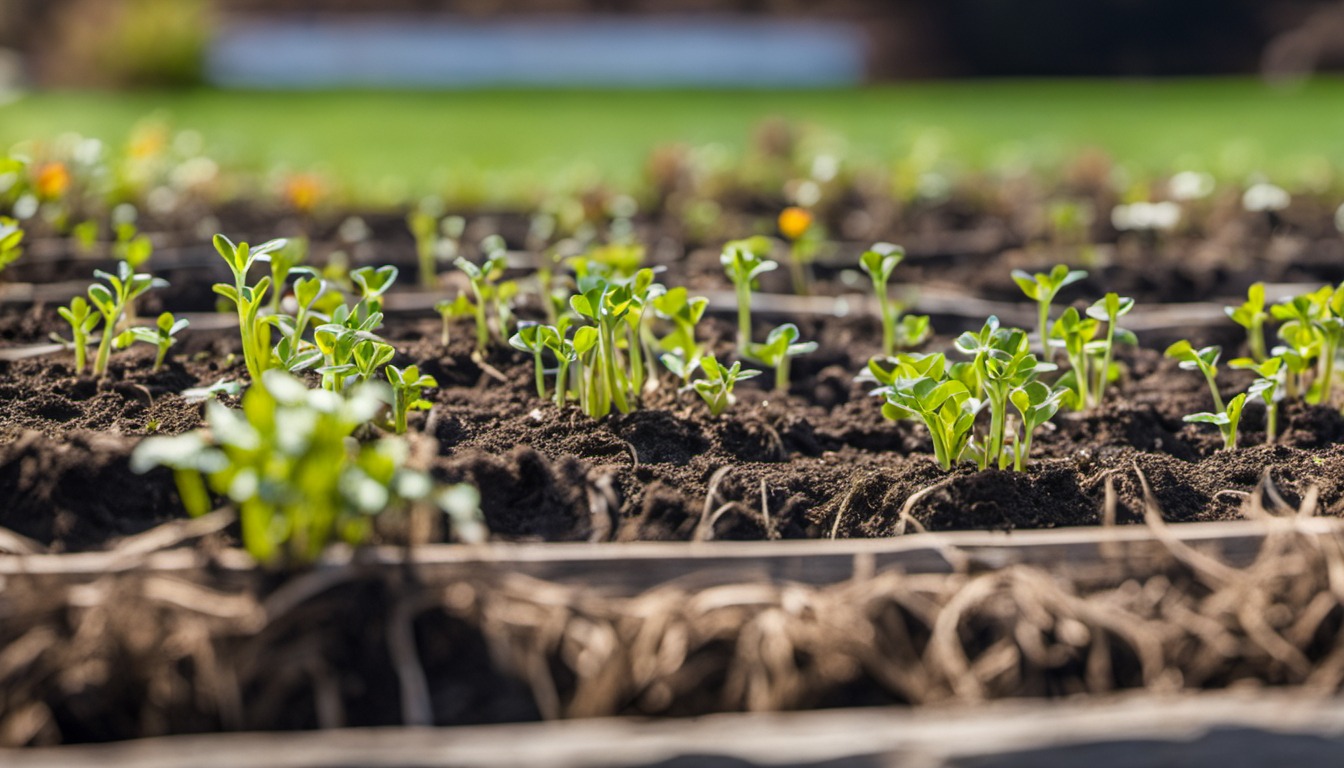
Establish seeds in heat
Check the seed zone frequently because a hot exposed surface may dry faster than deeper soil. Water gently to avoid dislodging shallow seed and use temporary protection suited to the crop. Do not bury a seed deeply to chase moisture without checking the packet; excessive depth can prevent emergence. After seedlings appear, adjust cover so they receive enough light.
Protect transplants
Harden starts gradually before planting and check both the small root ball and the surrounding soil. Temporary shade can reduce direct sun and wind stress, but it does not replace water and may need removal as the season changes. Thin crowded seedlings and leave space for mature plants and access paths. A fall bed is easier to inspect when it is not packed solid.
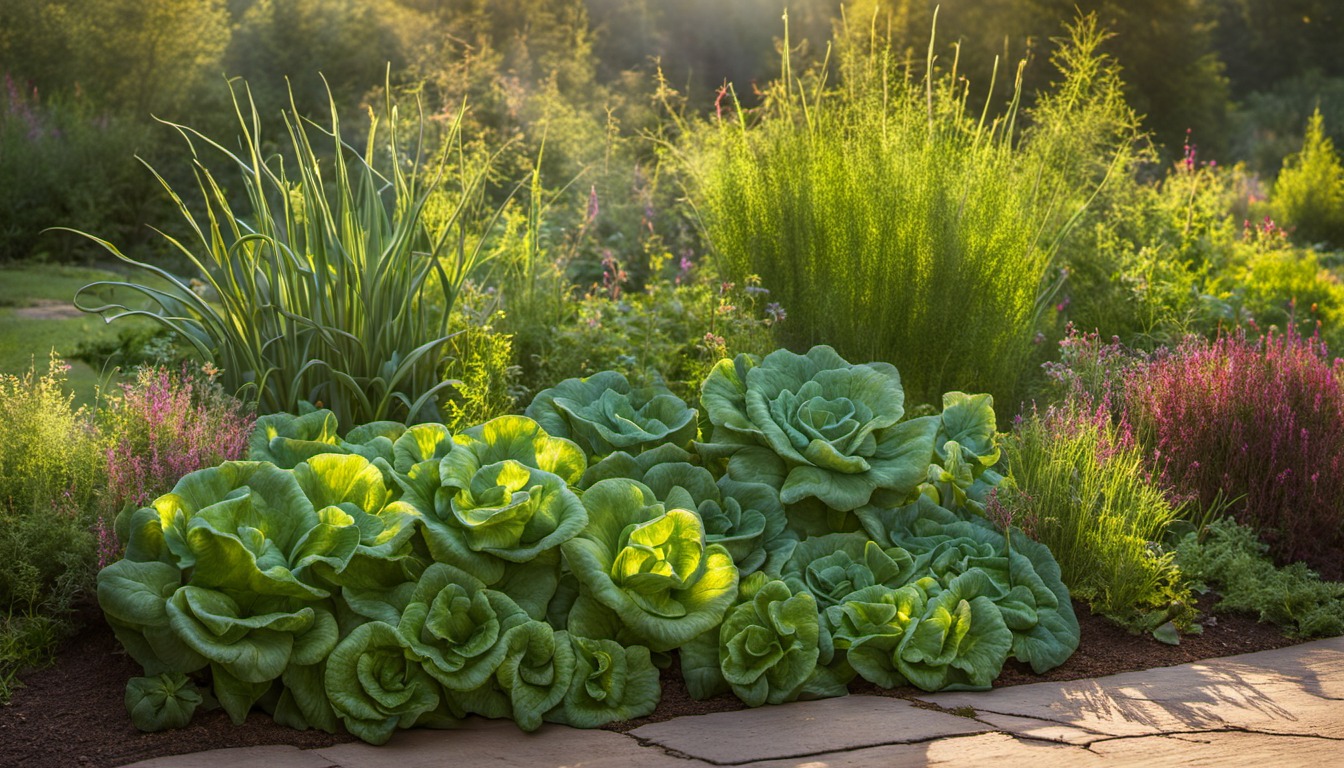
Example: a bed that opens late
Imagine a tomato is still producing when a planned fall green needs space. Consult the local chart and forecast. Start a small number of suitable transplants elsewhere if they can be moved in time; otherwise preserve the tomato and switch to a quicker crop that still fits. Mark the change and its reason so next year’s bed plan includes turnover time.
Follow the cooling season
Inspect the undersides of leaves and identify pests before acting. Keep cover and supports ready if your local forecast calls for cold, but do not assume a thin fabric makes tender plants freeze-proof. Record the first harvest and the actual date of damaging cold. Compare those notes with your station’s average rather than treating one year as the new normal.
Check the seed packet clock
Days to maturity may be counted from transplanting for one crop and from sowing for another. Write the starting point beside each estimate before working backward. If the bed opens late, compare an alternative’s maturity and tolerance with the remaining local window rather than relying on the shortest number printed on a packet.