Arizona garden field guide
Start an Arizona Spring Vegetable Garden
Spring arrives at different times across Arizona. Split the work into crops that tolerate cool conditions and tender crops that need warmth, then let local weather decide when each phase begins.
Start with a workable site
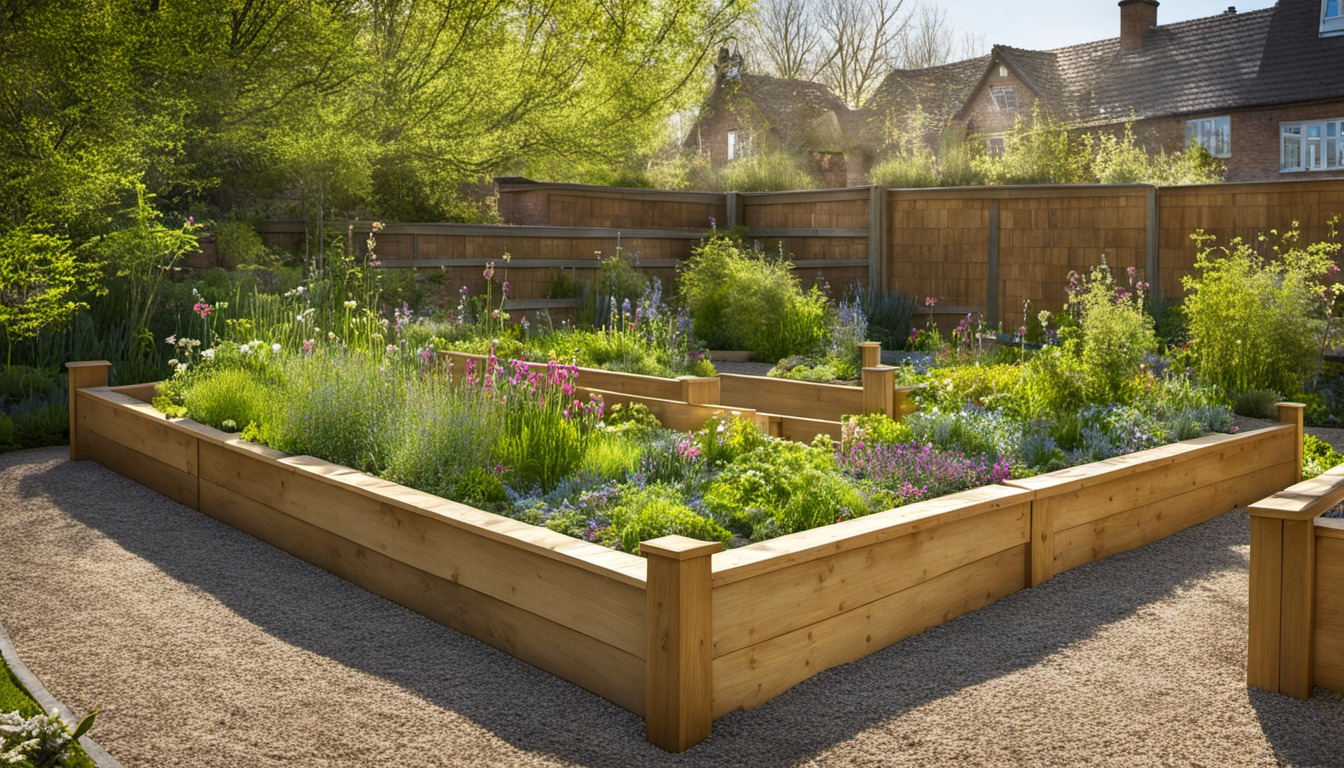
Choose a spot that receives suitable light and can be reached with a water source. After rain, wait if the soil smears and sticks to tools; digging wet soil creates hard clods. Sketch access paths and mature plant sizes before filling every square inch. A small bed that can be watered and harvested is easier to manage than an oversized first planting.
Read the correct crop chart
University of Arizona’s statewide guide separates broad elevation bands, while the Maricopa calendar applies to that county. Within a band, weather and frost exposure still vary. Find the crop and method—seed, transplant or set—and compare the chart with a local forecast. Cool-season greens do not need the same conditions as a tender pepper.
Prepare soil and supports
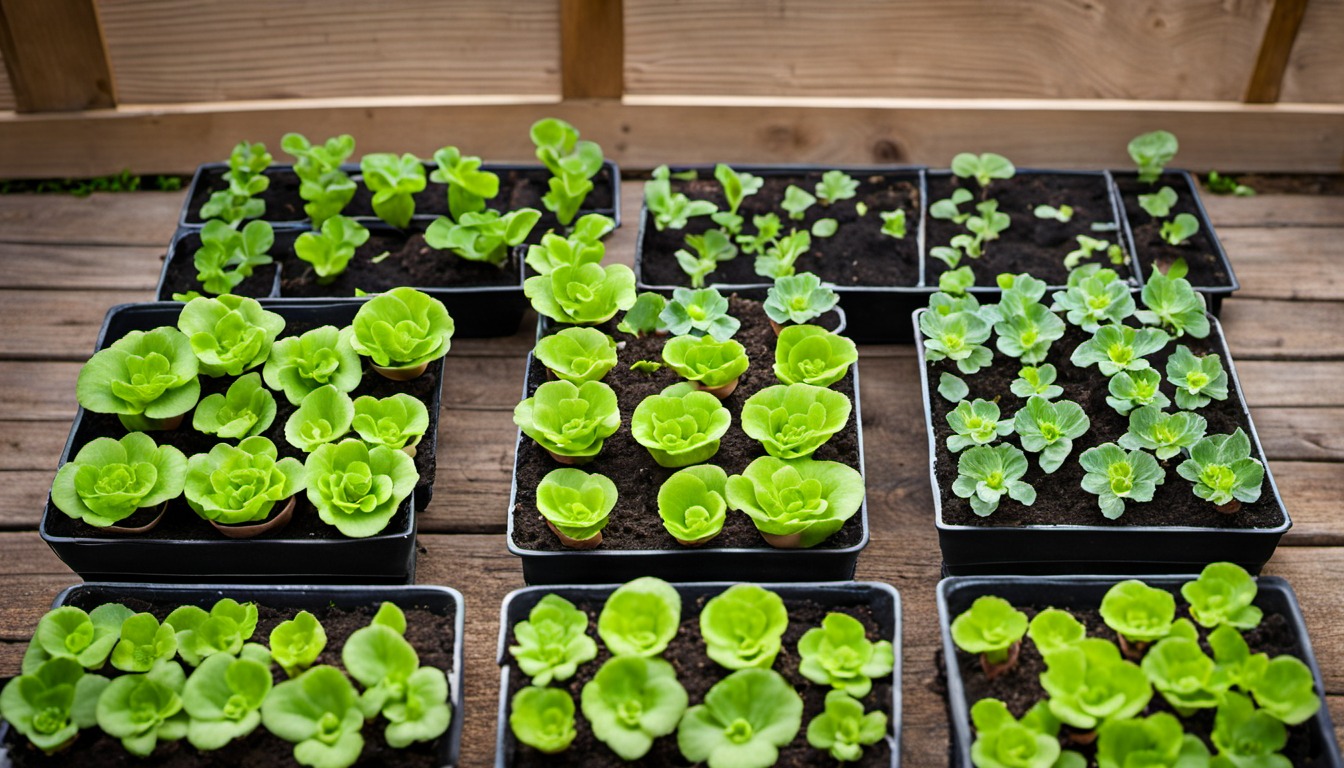
Remove weeds, incorporate finished organic matter when appropriate, and use a soil test before making large fertilizer or pH changes. Arrange irrigation where it will wet the future root zone. Install a tomato cage or trellis while the bed is open; pushing supports into a crowded bed later risks disturbing roots. Keep amendments away from direct contact with tender stems.
Harden indoor starts
If you grow transplants, gradually expose them to outdoor light and wind over several days while checking their small containers for drying. Bring them back inside during cold or severe weather. A transplant can suffer even after the average frost date if the forecast or soil is unfavorable. Plant only when the crop, soil and local conditions agree.
Example: phase a mixed bed
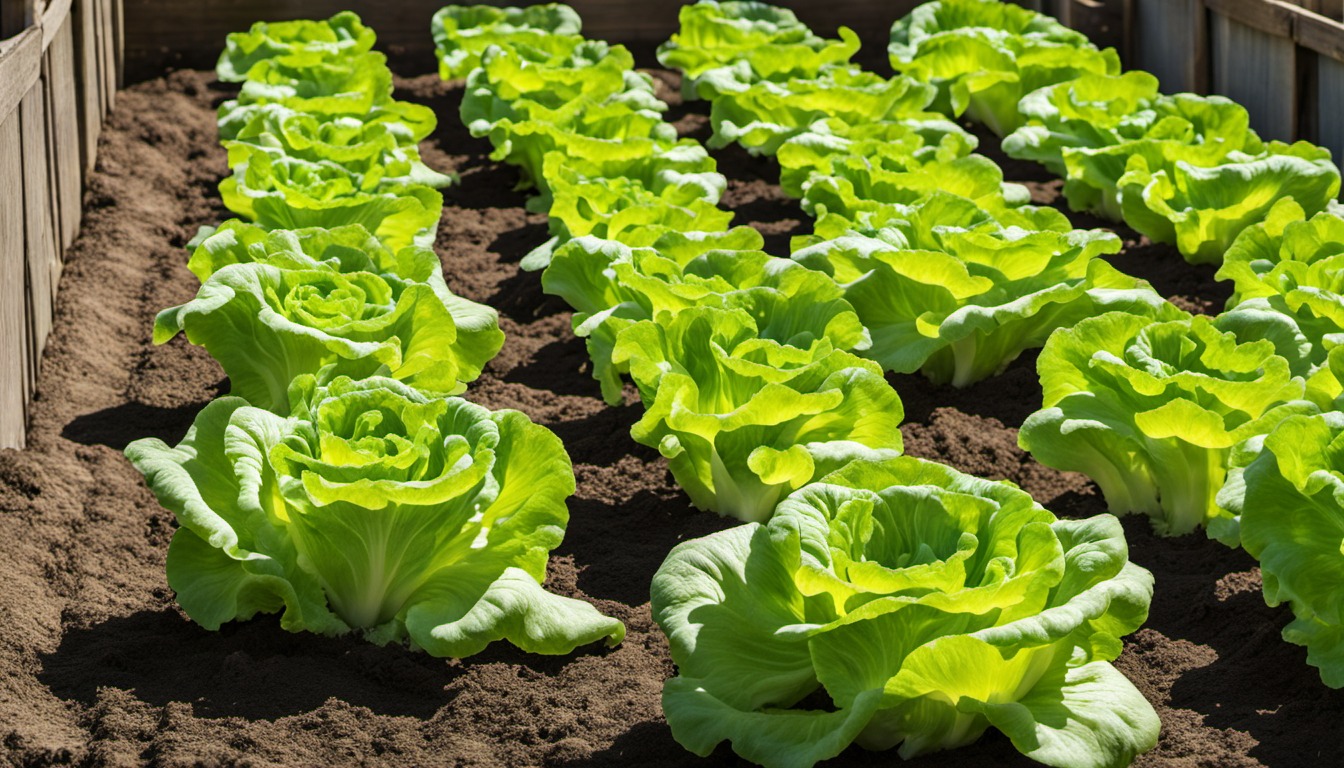
A gardener might start a short lettuce row first, leaving enough room for a later supported tomato. Before sowing, draw the tomato’s mature footprint and a path for harvesting. When warm conditions arrive, remove only the greens occupying the planned tomato space. If spring heat arrives early, harvest the greens promptly and choose the tomato variety and site with local guidance.
Check the first two weeks
Label the sowing or transplant date. Feel below the surface, inspect for washed-out seed after a storm, and watch a transplant’s original root ball separately from the surrounding bed. If emergence is poor, investigate depth, seed age, temperature and moisture before repeating the entire row. Record what happened and compare the revised date with the local window.
Keep a spare plan
A cool spell may delay tomatoes while an early heat wave can shorten lettuce quality. Have a protected location for transplants and a way to harvest the greens promptly. If the bed remains wet after rain, wait until it crumbles rather than smearing; the delay may be less costly than compacting the root zone.