Arizona garden field guide
Use Soil Temperature to Time Arizona Vegetable Seeds
Air temperature tells only part of the planting story. Soil at the depth of the seed can stay cold after a mild afternoon or become too hot for successful emergence in an exposed bed.
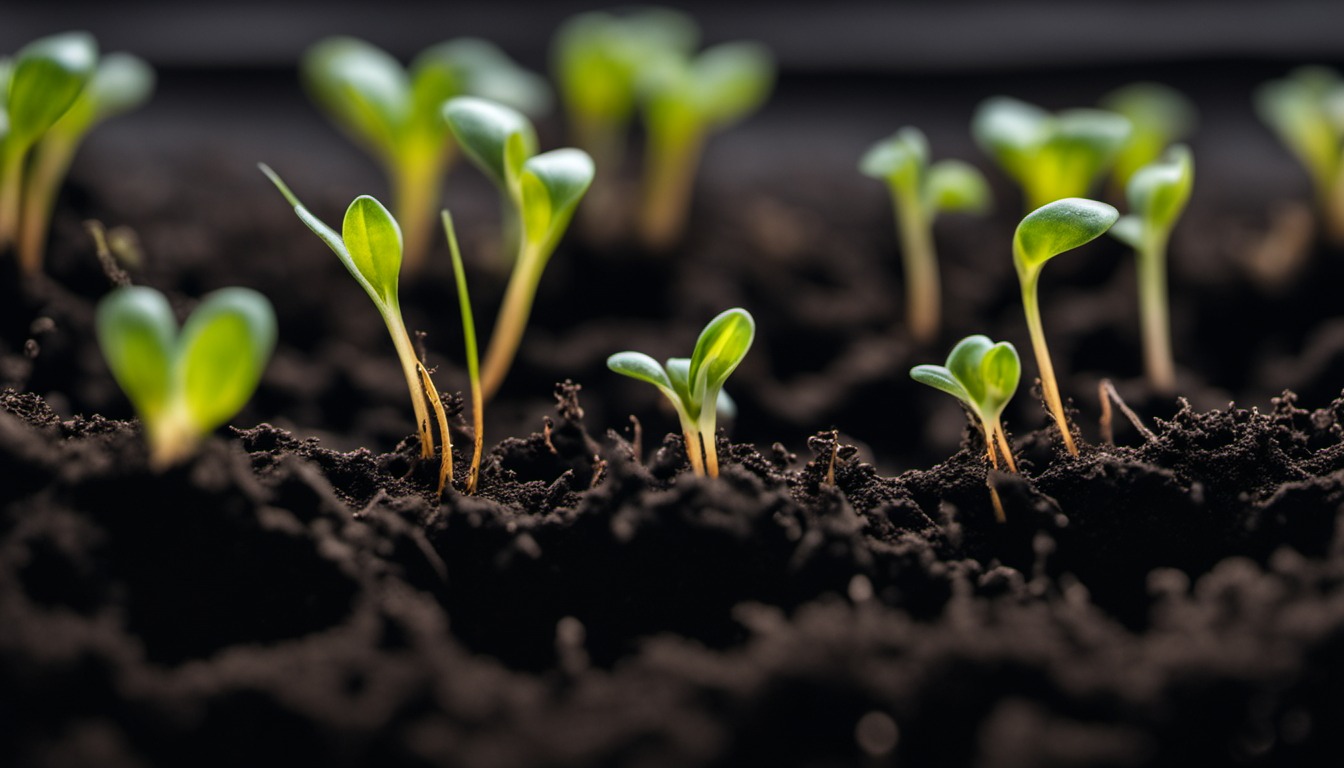
Measure the actual planting spot
Use a soil thermometer at approximately the seed depth, following its instructions. Take readings at a consistent time and in several parts of the bed rather than relying on a single sunny surface reading. A shaded corner, container and raised bed can warm differently. Record a short trend and compare it with the seed packet or reliable crop guidance.
Use the right source
The Maricopa County guide describes 65–85°F as a useful soil-temperature range for many commonly grown vegetables, not a requirement for every crop. The higher-elevation guide emphasizes the actual air and soil temperature along with expected frost. A cool-season green and a warm-season bean may have different needs, so use the specific crop’s guidance.
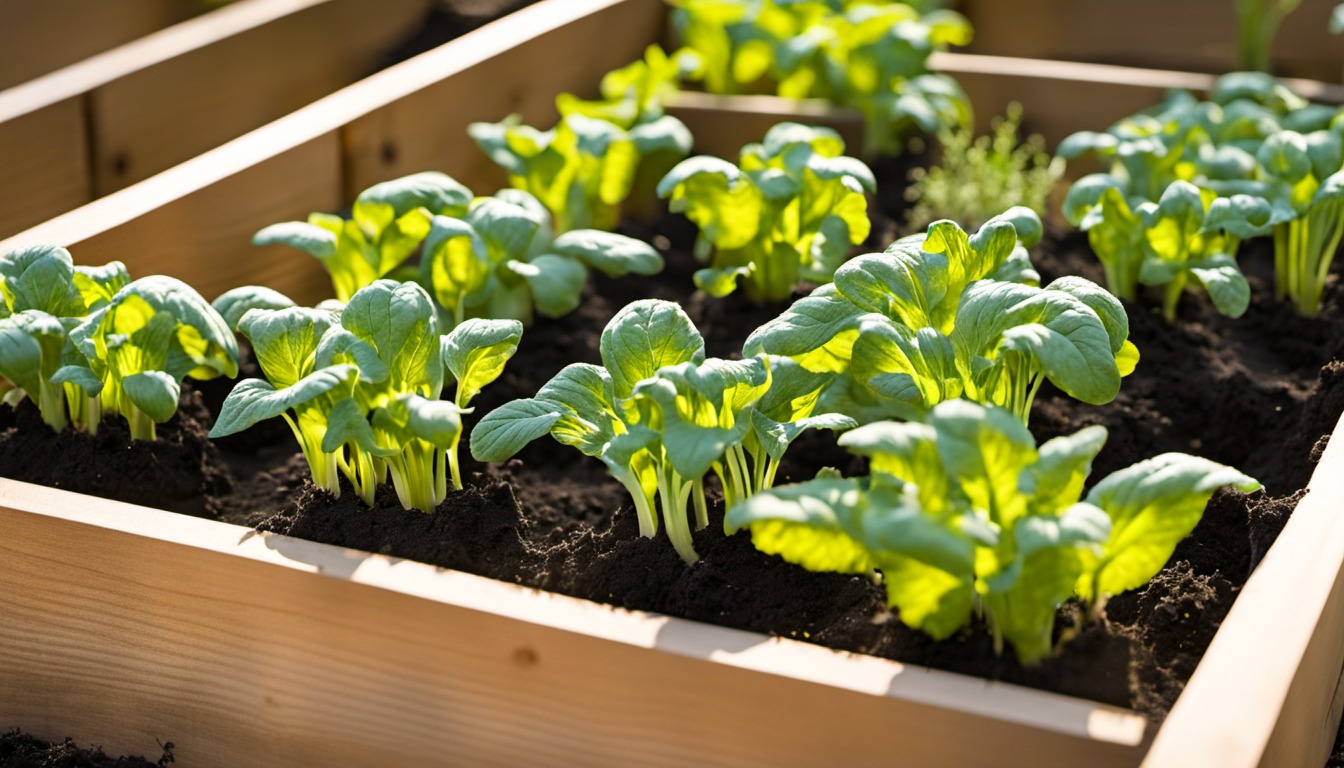
Pair warmth with moisture
Viable seed also needs suitable moisture and oxygen. Keep the seed zone moist without waterlogging it and avoid burying seed too deeply in pursuit of moisture. In hot weather the top layer can dry quickly; use gentle watering and appropriate temporary protection. Once seedlings emerge, adjust any cover so light and ventilation remain sufficient.
Troubleshoot a bare row
If seedlings have not appeared, compare elapsed time with the packet, then gently inspect a small area. Dry crust, cold soil, excessive depth, old seed and saturation can produce similar results. If seed has rotted, address the wet conditions before sowing again. Check the local planting window and remaining season rather than automatically repeating the whole row.
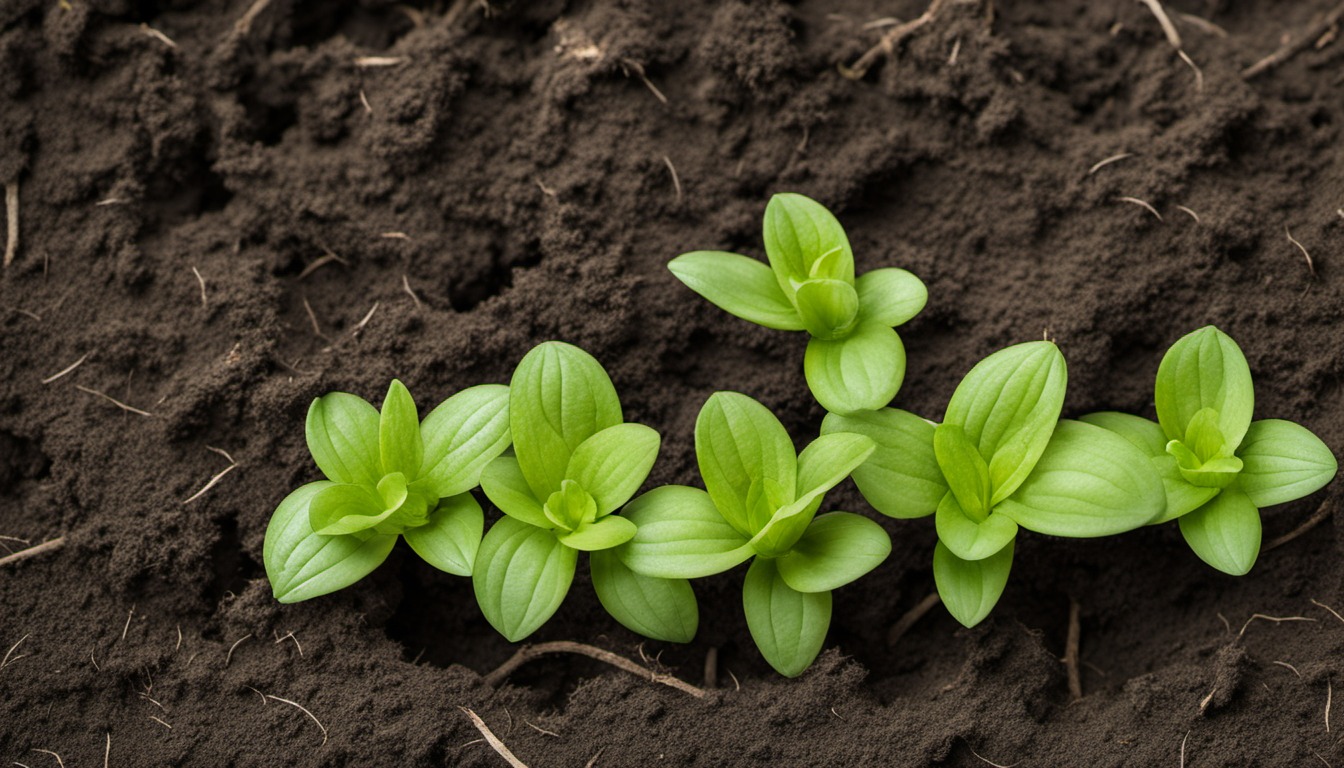
Example: compare two beds
Suppose a raised bed feels warm but an in-ground bed remains cool after a cold night. Measure both at the intended depth at the same time for several mornings. If only one bed reaches the crop’s suitable range and the forecast is favorable, use it first. A single hot afternoon reading should not override a cold forecast or unsuitable night temperatures.
Record what actually happened
Write down the crop, variety, measured temperature, sowing depth, date and emergence. The notes help identify whether a shaded bed consistently starts later or a container dries more rapidly. Soil temperature does not predict every frost, pest or germination outcome; combine it with local Extension windows, the packet and actual weather rather than treating a number as a guarantee.
Compare morning readings
Take several morning readings at the same depth before sowing a warm-season row. If the surface is warm in afternoon but the seed zone remains cold in the morning, wait and check again. Record the reading beside the sowing date; do not substitute an air-temperature forecast for a measurement of the actual bed.