Arizona garden field guide
Arizona Frost Dates and Vegetable Garden Protection
A frost date is an average or probability, not a guarantee that every night after it will be safe. Exposure and weather can differ considerably within the same Arizona county.
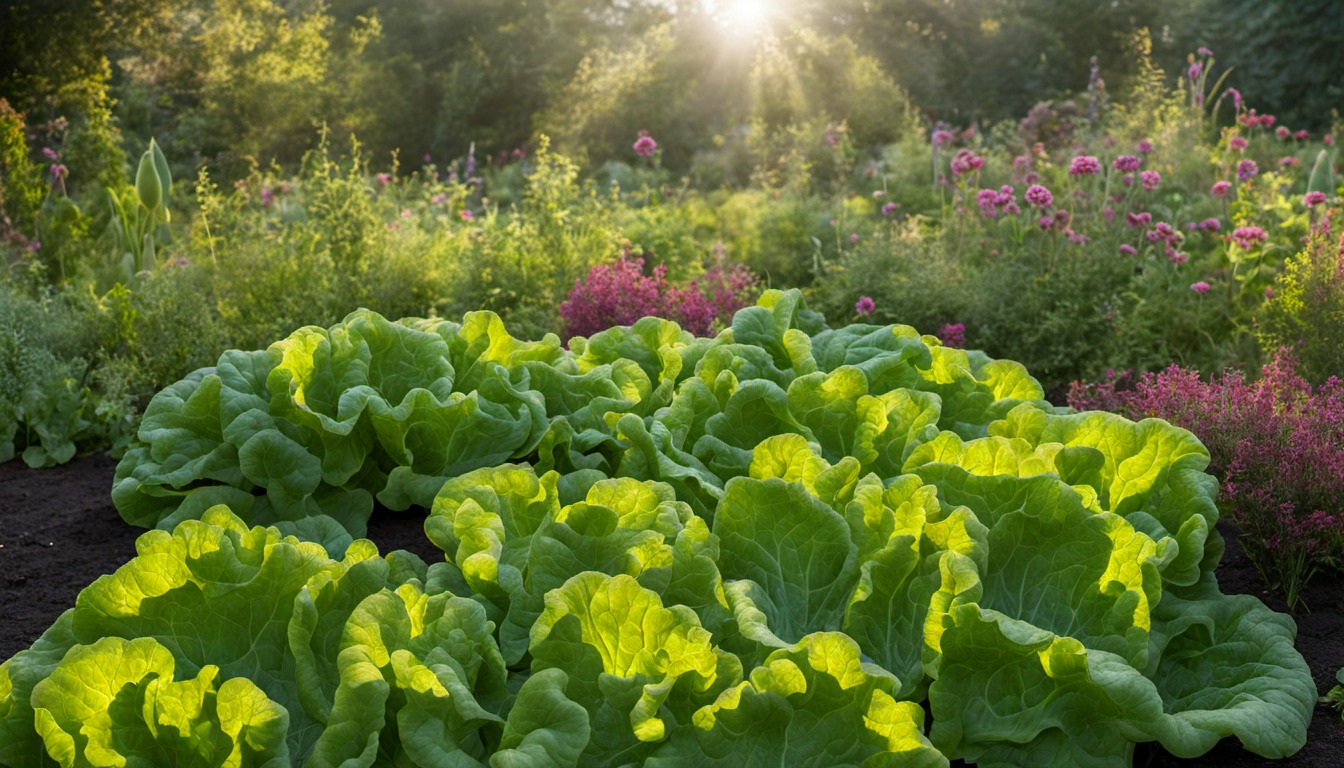
Choose the right record
Find a nearby weather station and record its frost statistic, temperature threshold and averaging period. University of Arizona notes first-frost averages vary even within Maricopa County: its examples range from November 21 in Buckeye to December 12 in central Phoenix. Those are location-specific historical examples, not predictions for this year or for a different elevation.
Keep hardiness separate
A USDA hardiness zone describes average annual extreme minimum temperature, mainly for assessing perennial winter survival. It does not provide a vegetable’s last spring frost or first fall frost. At a higher site, use a relevant station plus soil and air temperatures; the 3,000–6,000-foot guide explicitly cautions that elevation alone does not determine planting time.
Know what is at risk
Tender tomatoes and peppers can be damaged by frost, while established cool-season greens may tolerate more cold. The actual response varies with crop, stage, health, duration and wind. Consider the forecast and the particular plants in each bed. A low pocket may collect cold air, and a protected wall can create a different microclimate nearby.
Prepare cover before dark
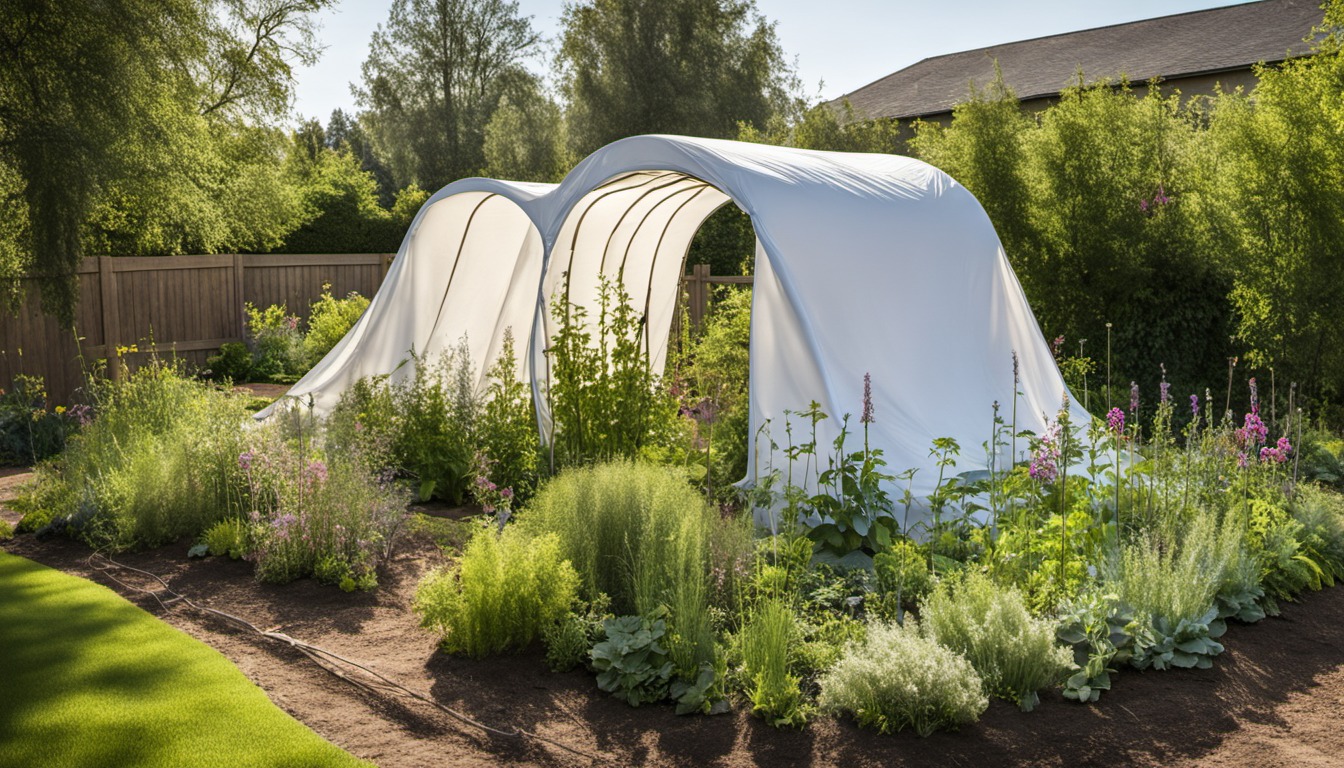
If protection makes sense, support fabric above plants and secure it so it cannot blow away. Follow the cover manufacturer’s directions and remove or ventilate it when the sun warms the bed. A light cover is not a promise against a long hard freeze. Avoid crushing leaves and allow access for checking the plants once conditions are safe.
Example: two crops, one forecast
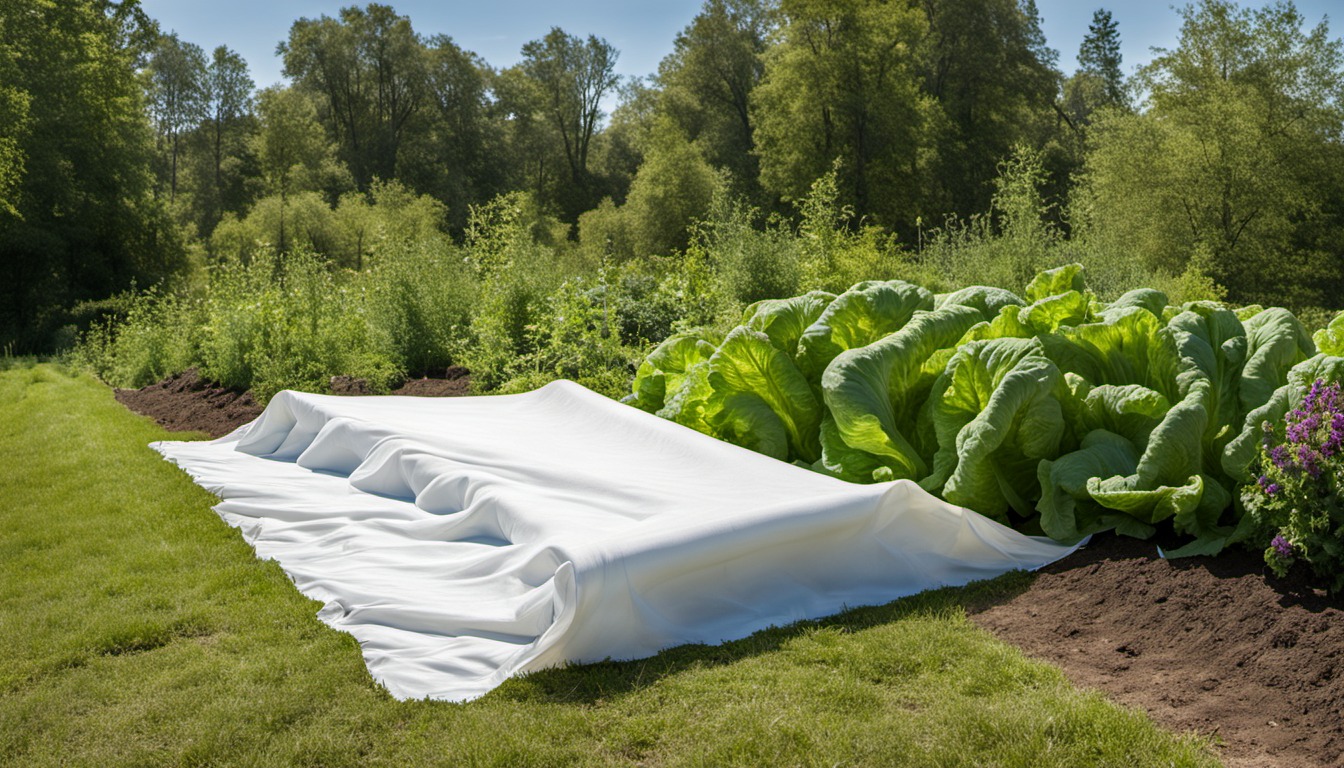
A gardener expecting a cold night has a tender tomato and an established leafy green. Pick usable tomato fruit first, then decide whether a supported cover is worthwhile. For the green, check its tolerance and the forecast duration rather than assuming it is immune. Record the forecast, actual low and visible damage separately for each bed.
Use the record next year
Keep the station name beside sowing, transplant and harvest dates. One warm or cold event does not establish a new average, but repeated observations may identify the bed that consistently cools first. When starting a tender crop indoors, allow time for hardening and possible weather delays instead of assuming the first convenient date will be safe.
Label the statistic
A first-frost probability, an average date and a forecast low answer different questions. Write the threshold and station next to a calendar entry so a future reader knows what it means. The next forecast can still be colder than the average suggests, especially in a low pocket or exposed garden.