Arizona garden field guide
Grow Carrots, Beets and Other Roots in Arizona
Root crops reward attention before sowing. A manageable bed, appropriate depth and steady establishment matter more than a perfect-looking row on the first day.
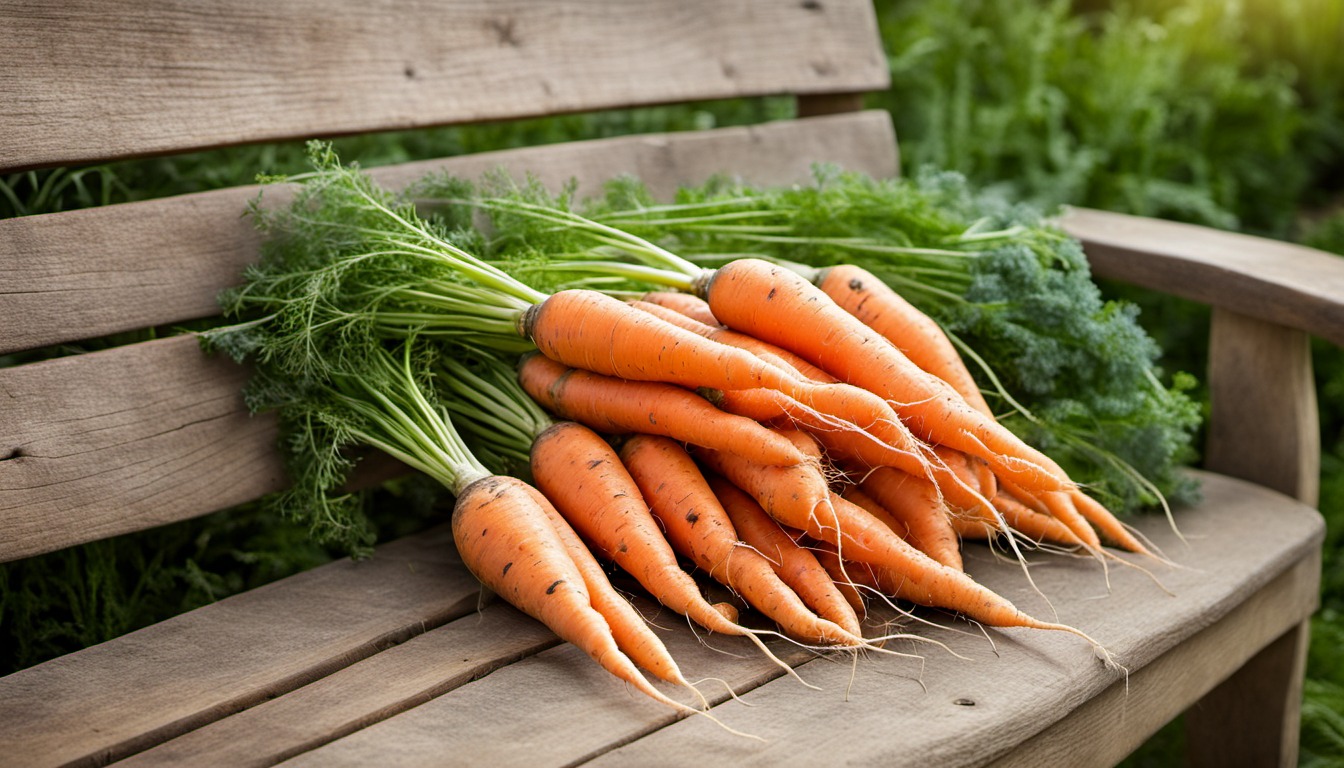
Choose a local season
Carrots, beets, radishes and turnips have different maturity and temperature needs. Check the relevant Arizona county calendar for the crop and method, and compare it with your weather and frost risk. A cool-season low-desert planting may fall at a very different time from a higher-elevation planting. Read the packet for variety-specific maturity.
Prepare soil when workable
Remove large stones and weeds where practical, and avoid compacting the bed by stepping on it. Work the soil only when it is not sticky or saturated. Use finished compost where appropriate, but do not add excessive fertilizer or raw manure beside an edible crop. A raised bed with suitable soil may make preparation easier when native soil is difficult.
Sow and water gently
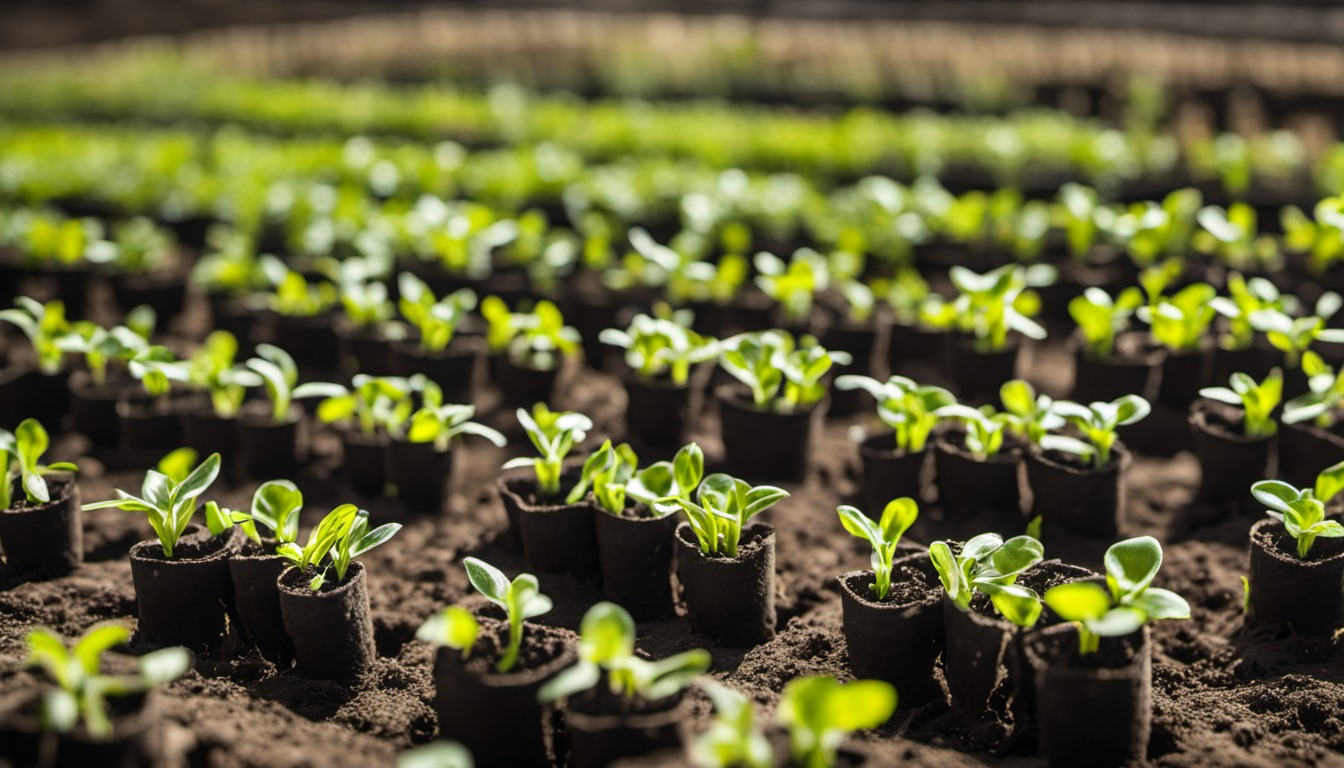
Many root crops are direct-sown because disturbing a young root can affect its development. Follow packet depth and spacing; tiny carrot seed may be close to the surface and can wash away with a hard stream. Keep the seed zone moist without waterlogging. Mark the row so slow emergence is not confused with an unused patch.
Thin and observe
Thin seedlings according to the crop and packet so roots have room to develop. Cut or remove extras carefully without disturbing those retained. Keep weeds small and avoid deep cultivation near roots. If seedlings fail, compare soil temperature, crusting, seed age, moisture and depth before deciding to resow.
Example: compare two short rows
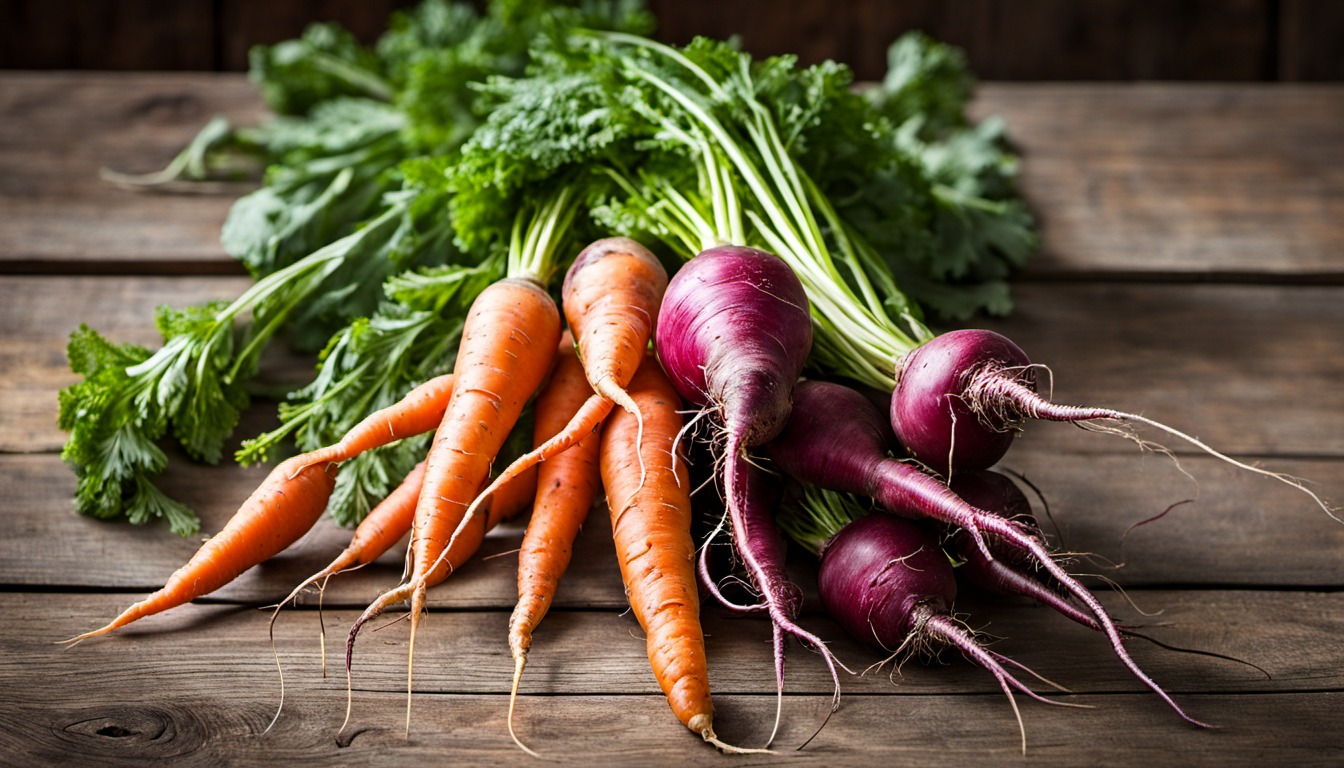
A gardener plants a short row of radishes and a short row of carrots within their local windows. Label each sowing and expected maturity; the quicker radish does not determine when the carrot is ready. Check the carrot row’s surface during warm, dry weather and water gently. Harvest a sample when the variety is approaching its expected size.
Harvest and reset
Lift roots carefully with enough clearance to avoid breaking them. Remove damaged material and follow current food-handling guidance when washing and storing produce. Record sowing date, thinning and harvest quality. If roots fork or remain small, consider soil structure, crowding and weather before adding a large fertilizer dose. Check the next crop’s window before replanting.
Thin before roots crowd
Small seedlings can look widely spaced while their mature roots need more room. Thin according to the packet while plants are still manageable, and water gently afterward if the soil is dry. Keep the selected plants rooted and check the remaining local season before making a replacement sowing.