Arizona garden field guide
Grow Leafy Greens in Arizona’s Cooler Seasons
Leafy greens can make a small bed useful over an extended period when the crop, variety and season fit. Arizona’s cool-season window differs substantially between low and high gardens.
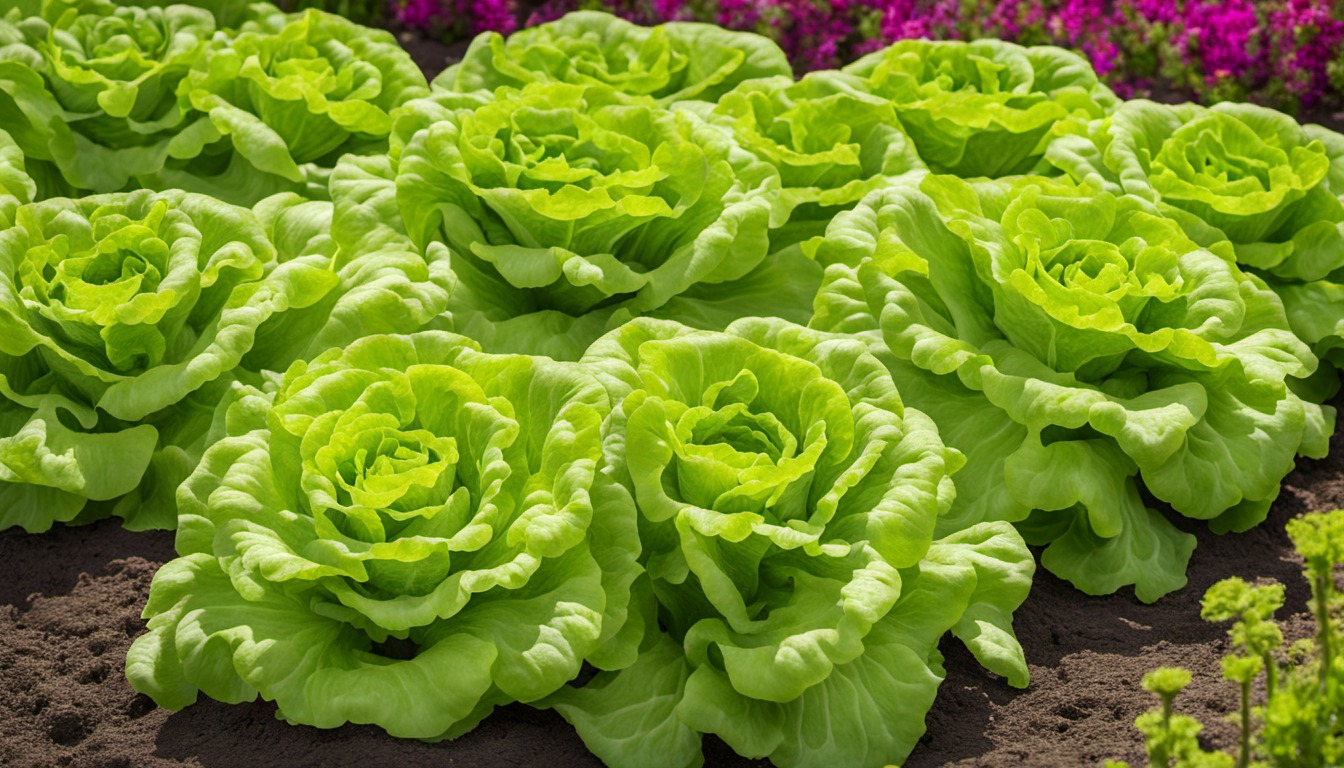
Choose the crop and local window
Lettuce, spinach, kale and other greens do not all have identical heat or cold tolerance. Check each crop and seed or transplant method in the relevant county chart. The Maricopa calendar describes its county’s cool-season opportunities; higher sites need their own frost and temperature considerations. A hardiness zone does not provide a sowing date.
Prepare for small seeds
Many greens have small seed that should be sown shallowly according to the packet. A smooth, workable surface and gentle watering help prevent seed from washing away. In hot soil, the surface can dry rapidly; temporary protection and frequent moisture checks may help establishment, but remove or adjust cover as seedlings emerge and require light.
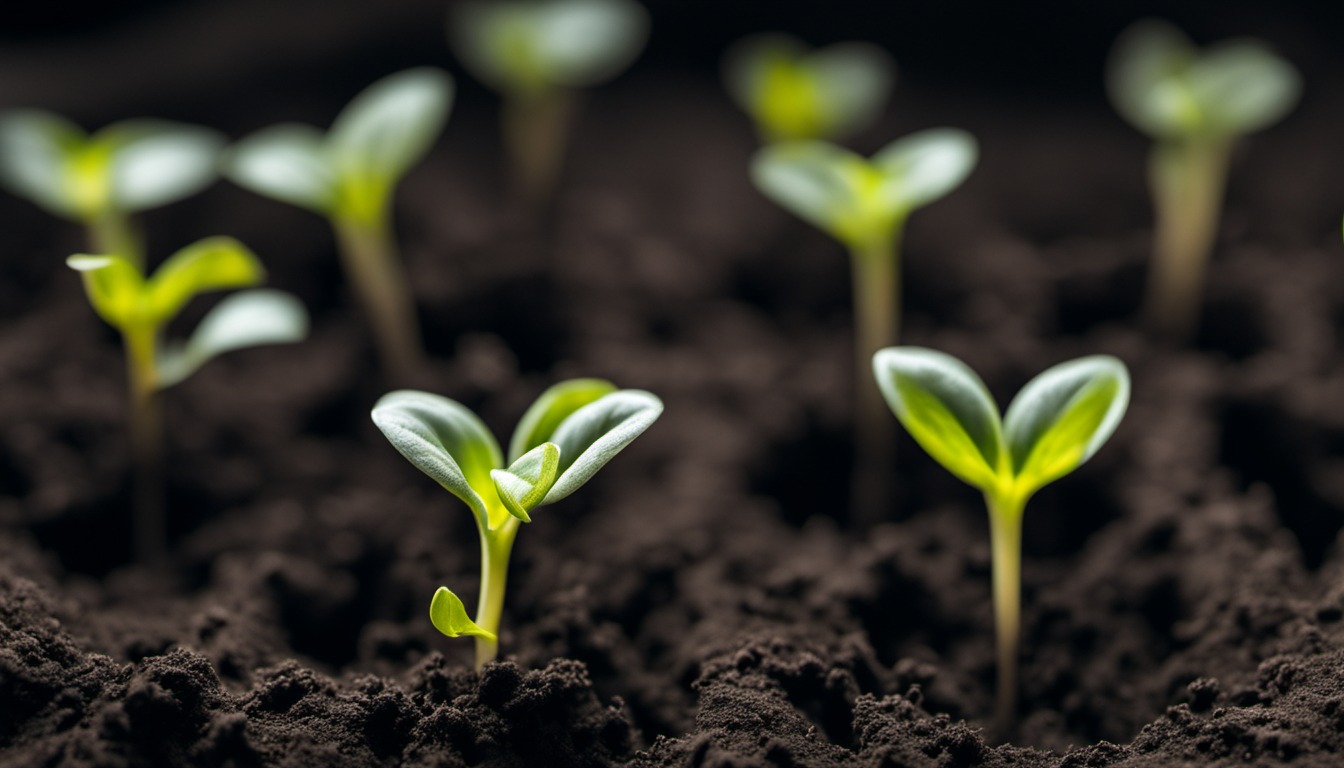
Thin and harvest
Crowded seedlings compete for light and airflow. Thin according to the variety and use suitable thinnings if desired. Harvest outer leaves or whole plants at the recommended stage, using clean tools and avoiding damage to growing points when a plant is meant to regrow. Inspect leaves and wash produce appropriately before eating.
Respond to weather
A crop that performs well in mild weather may become bitter or bolt as heat increases. Conversely, a light frost and a sustained hard freeze have different effects, depending on crop and growth stage. Use a forecast and crop-specific tolerance rather than assuming all greens survive the same cold. Ventilate covers when sun warms the bed.
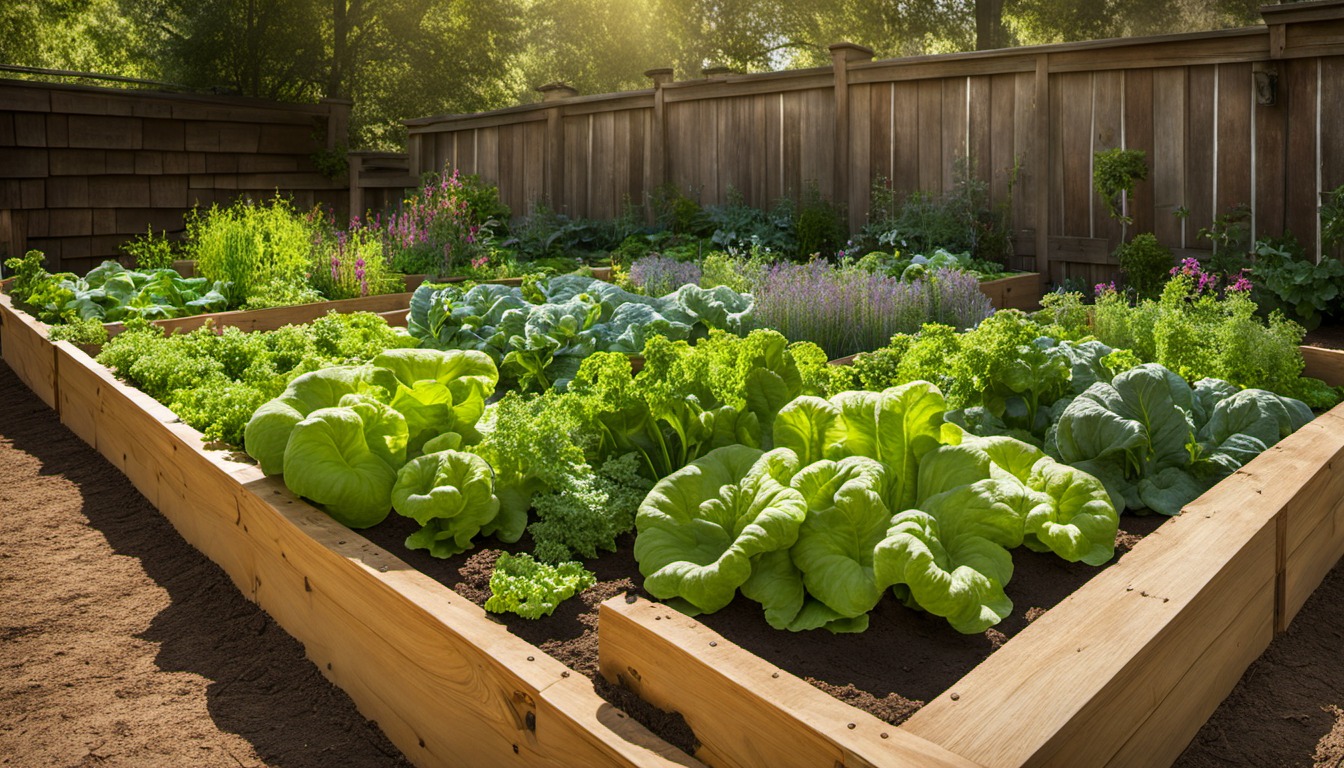
Example: successive small rows
If the local window allows, sow two short lettuce rows at an interval instead of one large row. Label each date and compare emergence and harvest. Keep the second sowing within the crop’s local recommendation; a calculator cannot make a lettuce variety tolerate a sudden heat wave. Reserve enough room for the next crop before using every open space.
Keep useful records
Record the variety, sowing method, first harvest and when quality declined. If seedlings failed, inspect moisture, seed age, sowing depth and soil temperature. Use those observations with the local Extension chart to choose the next planting; one year’s weather does not redefine the climate. Keep leafy plants accessible for regular inspection and harvest.
Use a harvest basket
Frequent harvest makes it easier to notice early bolting, damaged leaves and watering changes. Take only healthy leaves, keep tools clean and move harvested greens out of direct heat promptly. If one variety declines sooner than another, record the dates and exposure rather than attributing the difference to one cause.