Arizona garden field guide
Build a Useful Raised Vegetable Bed in Arizona
A raised bed can make a small garden easier to reach and organize. Its success still depends on the site below it, the growing medium, local weather and a workable watering plan.
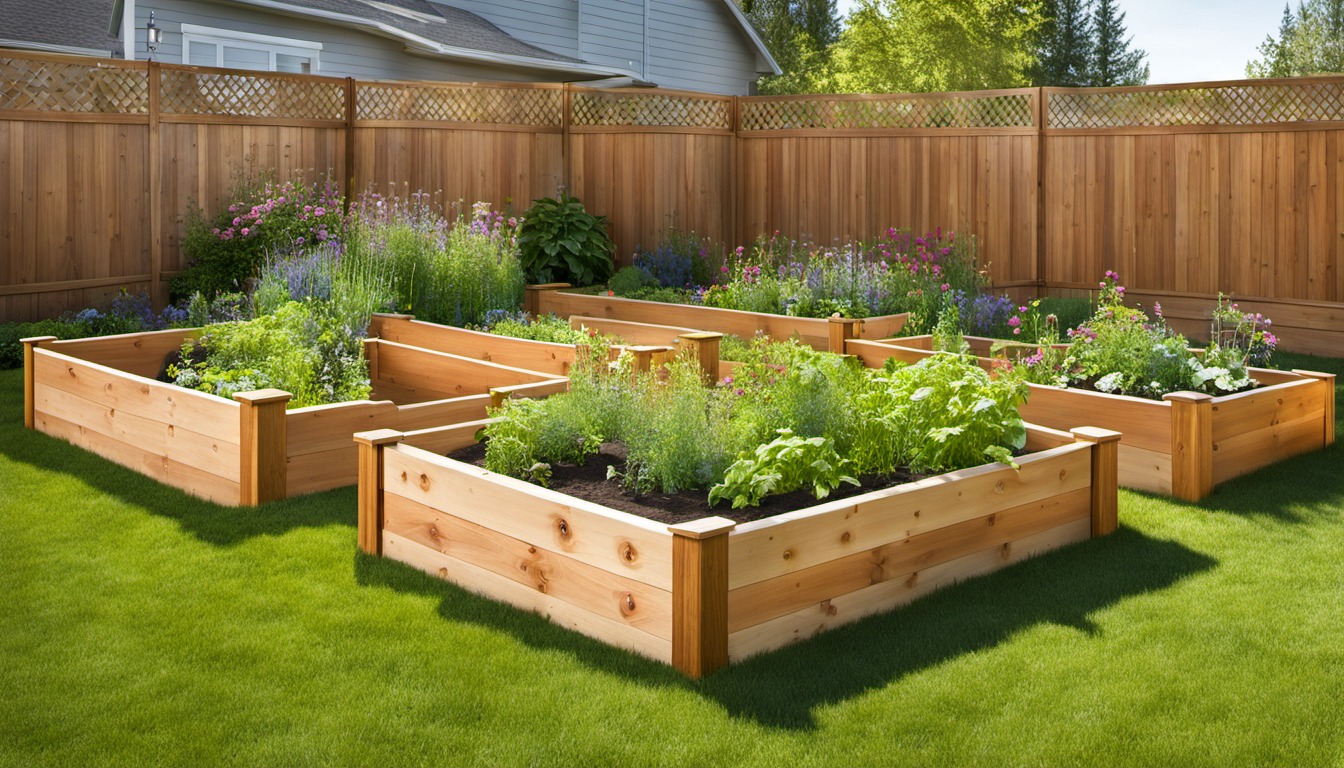
Choose access and light
Select a location with suitable sunlight for the crop and a nearby water source. Measure a width that allows you to reach the center from a path without stepping on the soil. Watch for reflected heat from walls in the low desert and late shade at cooler sites. Sketch the mature plants and supports before deciding how large the frame must be.
Consider what is underneath
Watch where irrigation and rain move. A raised frame cannot correct a site where runoff enters faster than it can leave, and a bottom barrier may restrict roots or drainage. Avoid building over a known contaminated area or buried utilities. Select durable materials appropriate for a food garden; do not assume every salvaged timber is suitable for contact with growing soil.
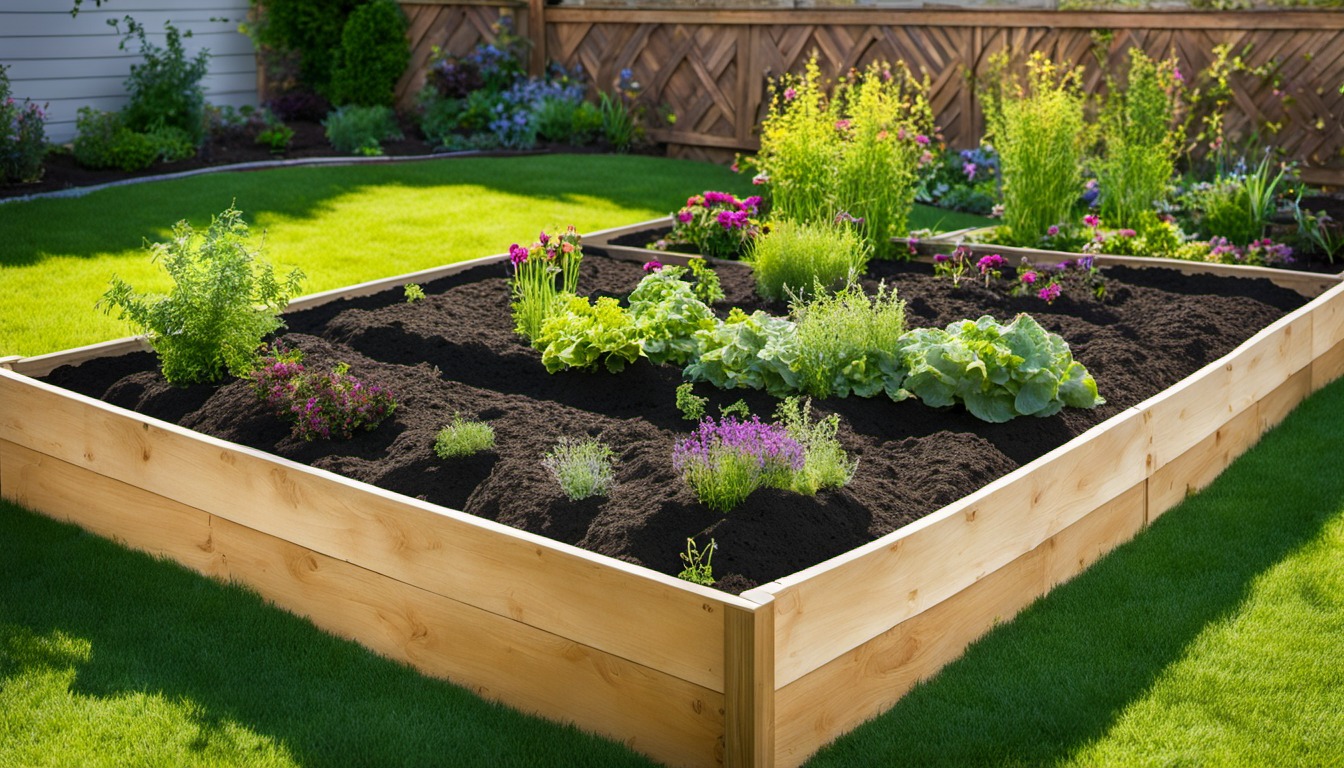
Fill and irrigate deliberately
Use a suitable garden soil or blend from a reliable source, not a claim that one universal recipe fits every bed. Estimate volume from inside length, width and depth, allowing for settling. Install irrigation before planting, then check the wetting pattern at root depth. A raised bed can dry or warm differently from adjacent ground.
Plant for the season
Follow the crop-specific local chart and distinguish seed from transplants. At higher elevations, a warm afternoon does not erase frost risk; in the low desert, hot soil can challenge a fall seed row. Leave mature spacing, place tall plants where they will not shade smaller neighbors and put supports in before roots spread.
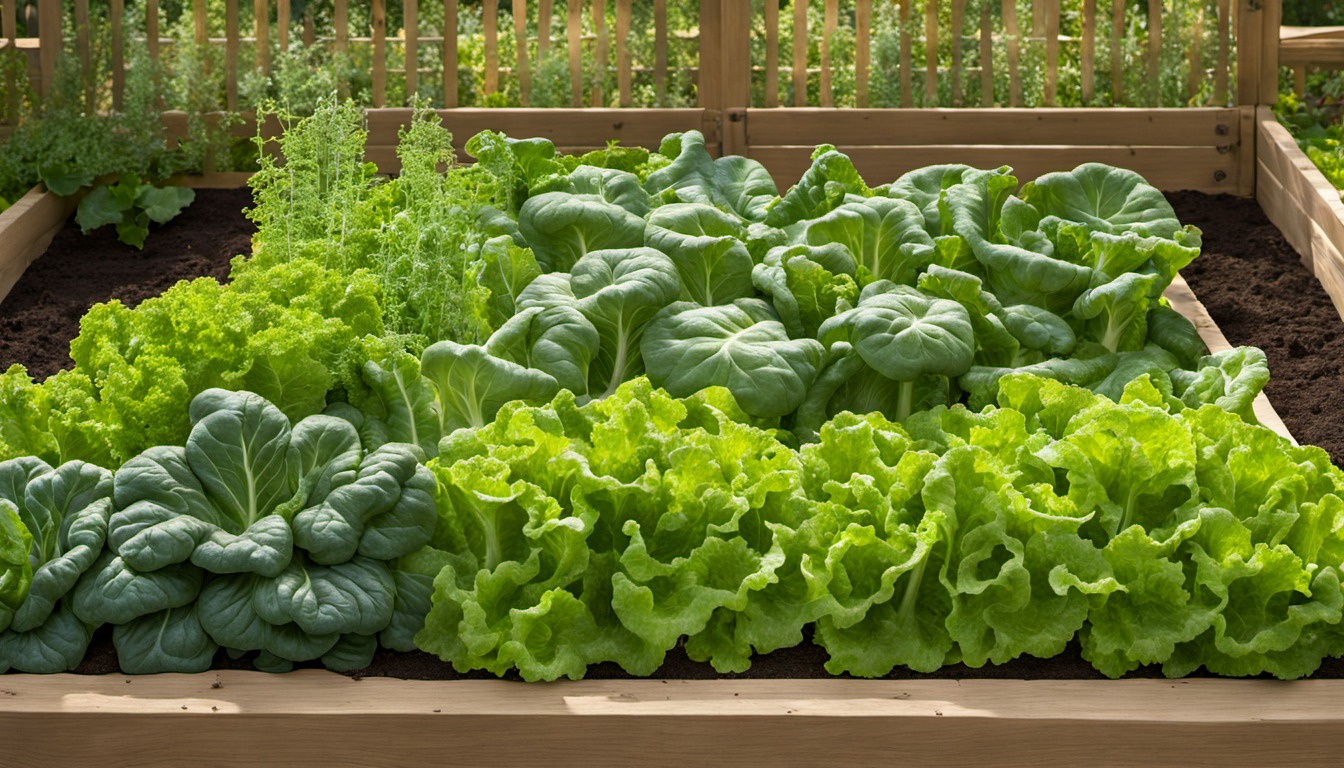
Example: an accessible first bed
For a 4-by-8-foot bed filled 10 inches deep, multiplying 4 × 8 × 10 ÷ 12 gives about 26.7 cubic feet before settling. Measure your own inside dimensions and account for any existing fill. Before buying soil, test whether you can reach the middle comfortably and leave a path wide enough for the tools you use.
Observe the first season
After watering, check moisture at several points rather than assuming a line wets the whole bed evenly. Note whether corners dry quickly, whether the bed stays saturated after rain and how quickly the mix settles. Top up only with appropriate material, and keep a record of amendments and crop performance for the next planting.
Plan the service route
Leave enough space between the bed and a wall or fence to maintain the far side, reach a hose and inspect the frame. A bed that is easy to fill but impossible to access becomes difficult to weed. Check where excess water will go before installing an irrigation line and planting.