Arizona garden field guide
Grow Vegetables in Containers in Arizona
A patio container can turn a small Arizona space into a productive garden, but its limited soil volume and exposure make its water and temperature needs different from an in-ground bed.
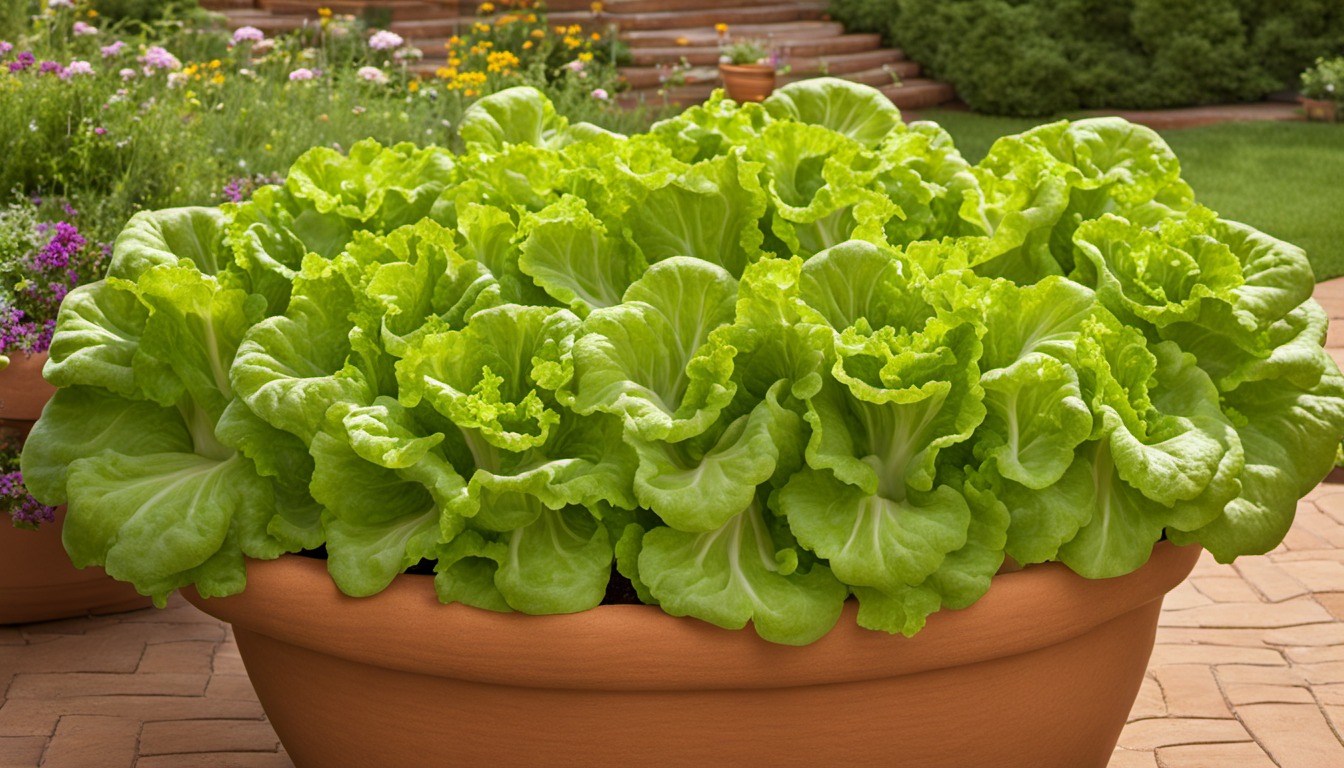
Match pot and crop
Choose a container large enough for the mature root system, with drainage holes and a stable base. A compact pepper or tomato variety may suit a patio better than a large vining type. Read the variety description for mature size and provide support early. A small seedling in a pot is not evidence that the same pot will sustain it all season.
Use an appropriate medium
A container potting mix is designed differently from native garden soil and should wet and drain suitably in the chosen pot. Fill without packing it hard, leaving room at the top for watering. A heavy pot on a balcony needs a safe supporting surface. If you reuse a container, clean it and inspect it for cracks or blocked drainage.
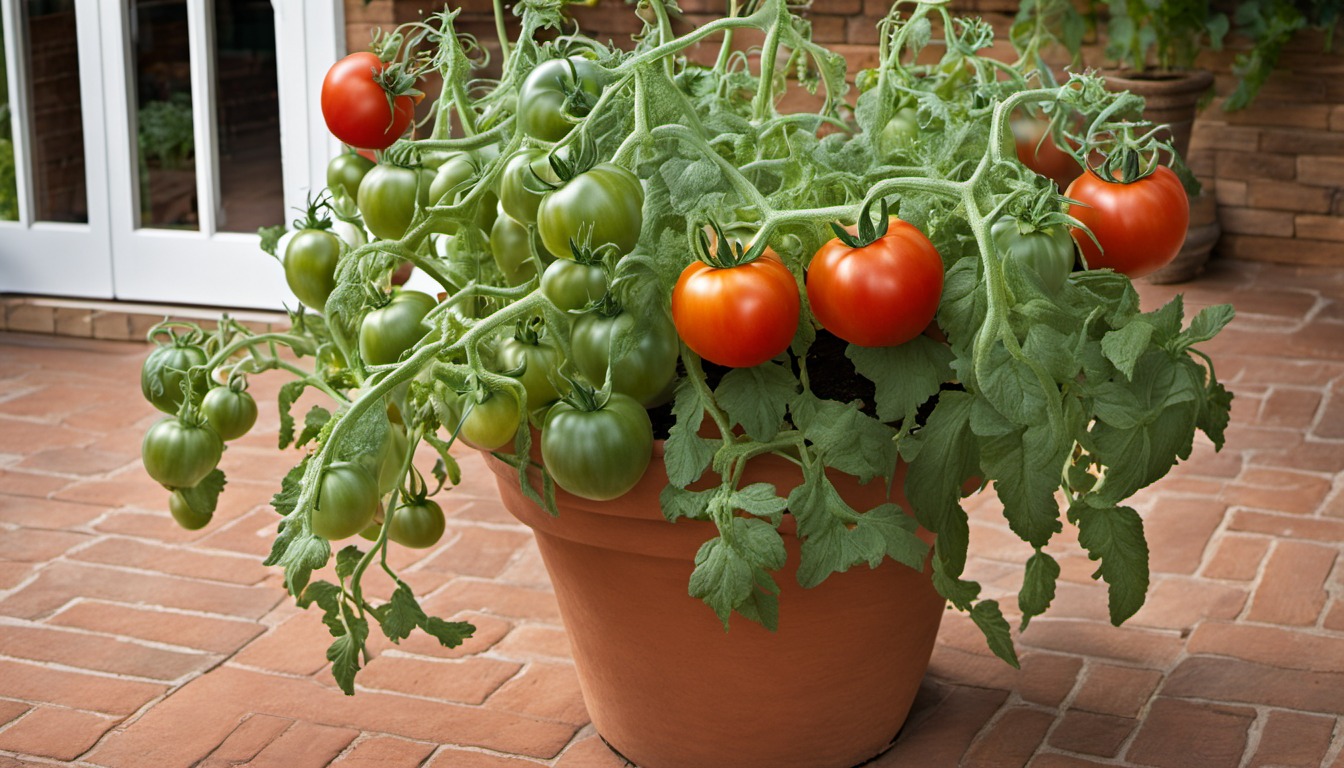
Watch heat and water
The sides of a pot exposed to direct sun can heat and dry faster than an in-ground bed. Check moisture below the surface and in the original root ball; water until the mix is adequately moistened and drainage works, without leaving roots in standing water. A shaded pot can still dry in wind. Check local watering rules and the plant rather than following a fixed daily schedule.
Plan the local season
Use your county crop calendar and current forecast, remembering that a patio microclimate can differ from a nearby weather station. Move portable pots away from damaging wind or severe cold when it is safe to do so. Temporary afternoon shade may reduce stress in intense sun, but a crop still needs adequate light and a season suited to fruiting.
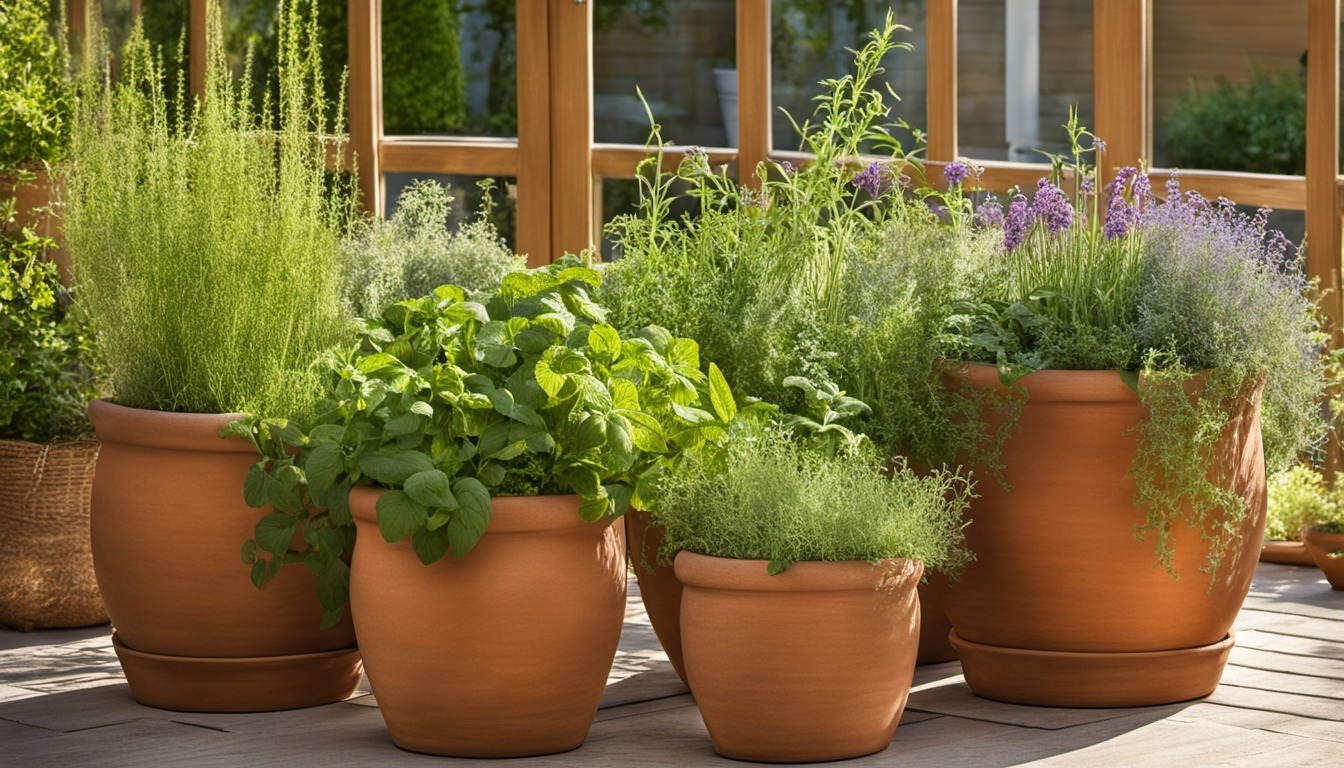
Example: one patio pepper
Choose a pepper labeled for container growth, a stable pot with drainage and a support that fits its mature size. Place it where it receives appropriate light without reflected wall heat all afternoon. Check the pot after a warm, windy day and again after rain; a roof overhang may keep rain from reaching it. Move the pot only while conditions are safe.
Notice salt and nutrient buildup
Container water evaporates and can leave minerals behind. Poor growth has many causes, so check watering, roots and exposure before adding fertilizer. Follow a suitable fertilizer label and avoid repeated extra doses. If symptoms persist, discuss the mix, water and drainage with Extension; the right remedy depends on the container and the actual problem.
Keep the root ball wettable
A very dry potting mix can shed water down the side of the pot while the center remains dry. Water gently in stages and inspect the root ball and drainage afterward. If the pot stays soggy instead, check holes and the mix before watering again; both extremes can stress a patio vegetable.