Arizona garden field guide
Grow Okra in an Arizona Vegetable Garden
Okra is a warm-season crop that needs enough space and a long enough suitable season. Plan for the mature row and its harvest path, not just for a packet of seeds.
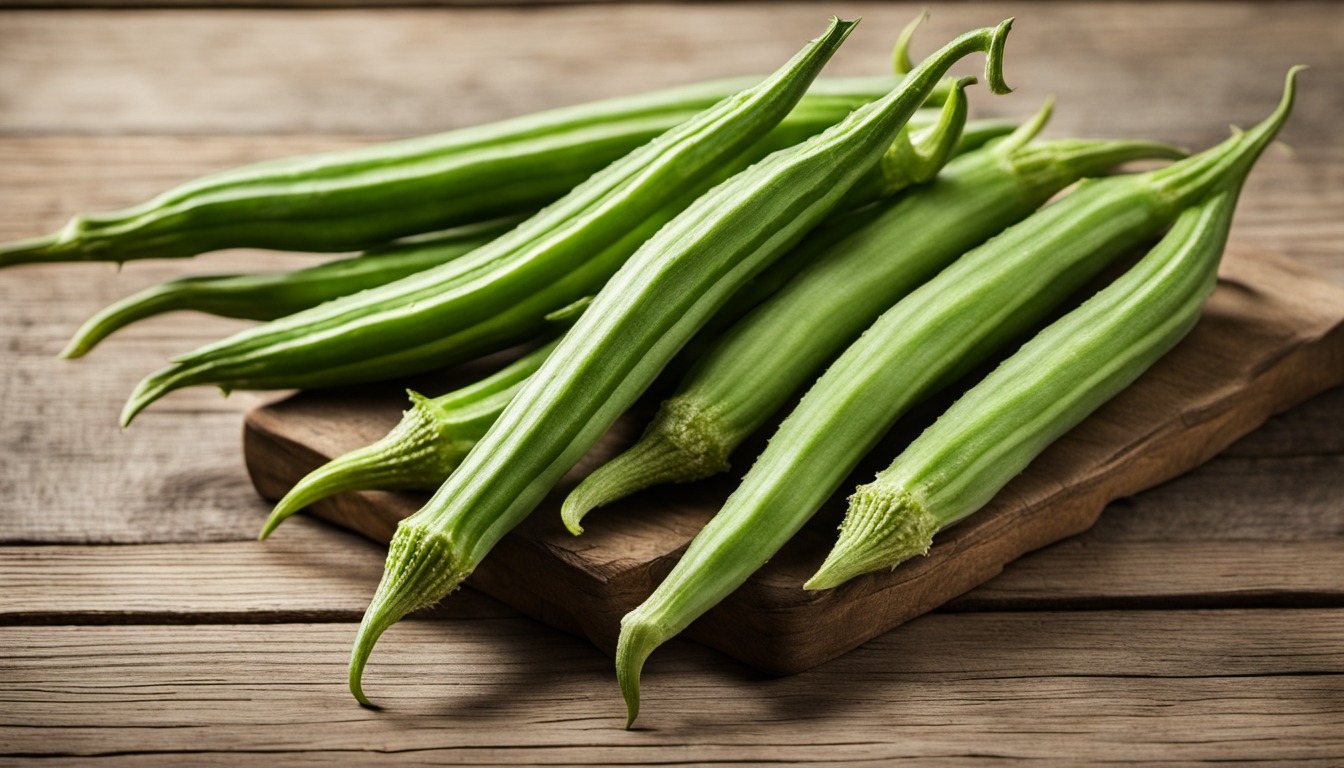
Check the local window
University of Arizona lists okra among warm-season vegetables and provides location-specific calendar guidance. Use the chart for your area and compare soil warmth and frost risk with the seed packet. A low-desert planting window cannot be transferred unchanged to a cooler, higher-elevation garden with a shorter growing season.
Reserve room for height
Check the variety’s mature height and spacing. Put the row where it will not shade shorter crops and leave a path for frequent harvest. Strong wind can damage tall growth; choose a practical sheltered location and secure nearby supports before a storm. Sketch the full row first so the mature plants do not block access to irrigation.
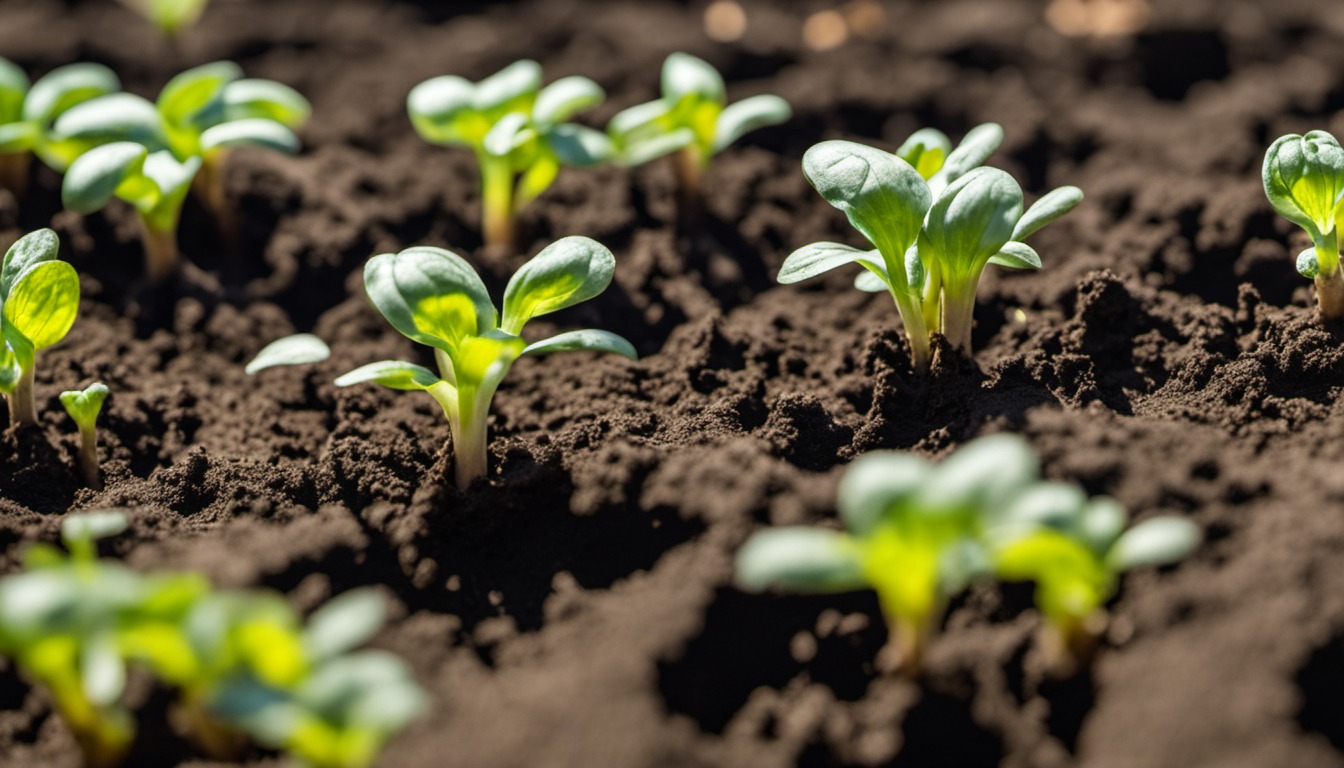
Establish the seed row
Sow at the packet’s recommended depth when conditions fit the crop. Keep the seed zone moist without saturating it and use gentle watering so seeds are not displaced. Mark the sowing date and thin crowded seedlings according to the variety. If a row fails, inspect moisture, temperature, seed age and depth before sowing again.
Maintain the plant
Check the root zone as the plant grows; a warm-season crop still needs water. Mulch after seedlings are established and leave space around stems. Inspect leaves and developing pods regularly and identify the cause of any damage before choosing a control. Avoid routine fertilizer additions when the actual problem is heat, irrigation or pests.
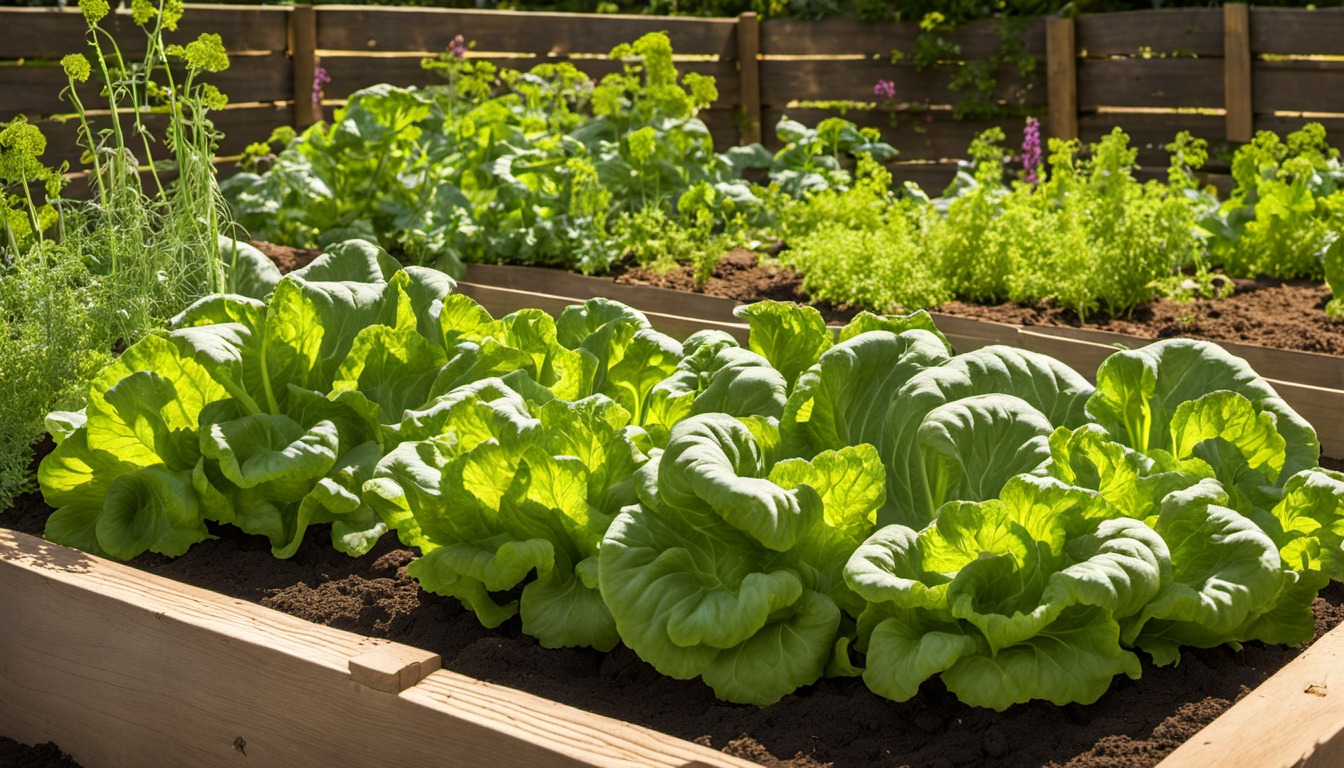
Example: a small first row
A gardener can try a short row instead of planting an entire packet. Label the variety and sowing date, then compare emergence and actual height with the packet. Once pods appear, inspect frequently and cut while tender; if pods become woody, remove them and shorten the interval between checks. Gloves and sleeves can make handling less irritating.
Close the season thoughtfully
Keep the path clear and remove damaged or overmature pods. When the crop finishes, remove stalks carefully and note how much room the plants used. Check whether enough of the local season remains for a following crop, and plan irrigation and bed preparation before sowing. One season’s result is useful experience, not proof of a universal statewide date.
Check the underside
When pods are developing, look through the foliage rather than only at the row edge. A hidden pod can become fibrous before the next visit. Use a clean cutter and record the interval that keeps the variety tender; make the path wide enough to reach plants without stepping on the soil.