Arizona garden field guide
Grow Beans in an Arizona Vegetable Garden
Beans can fit a small garden, but bush and climbing types use space differently. A good planting plan considers soil warmth, heat during flowering and time to harvest.
Choose the plant and support
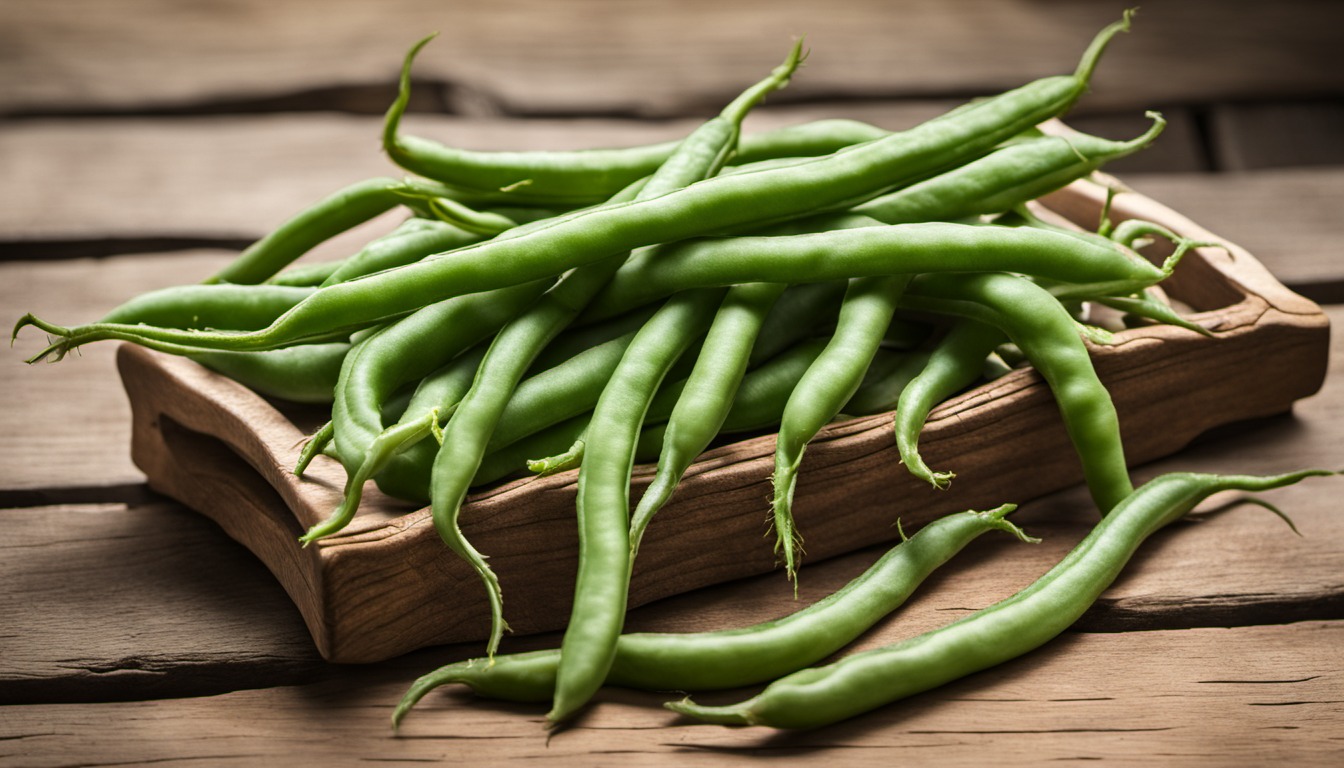
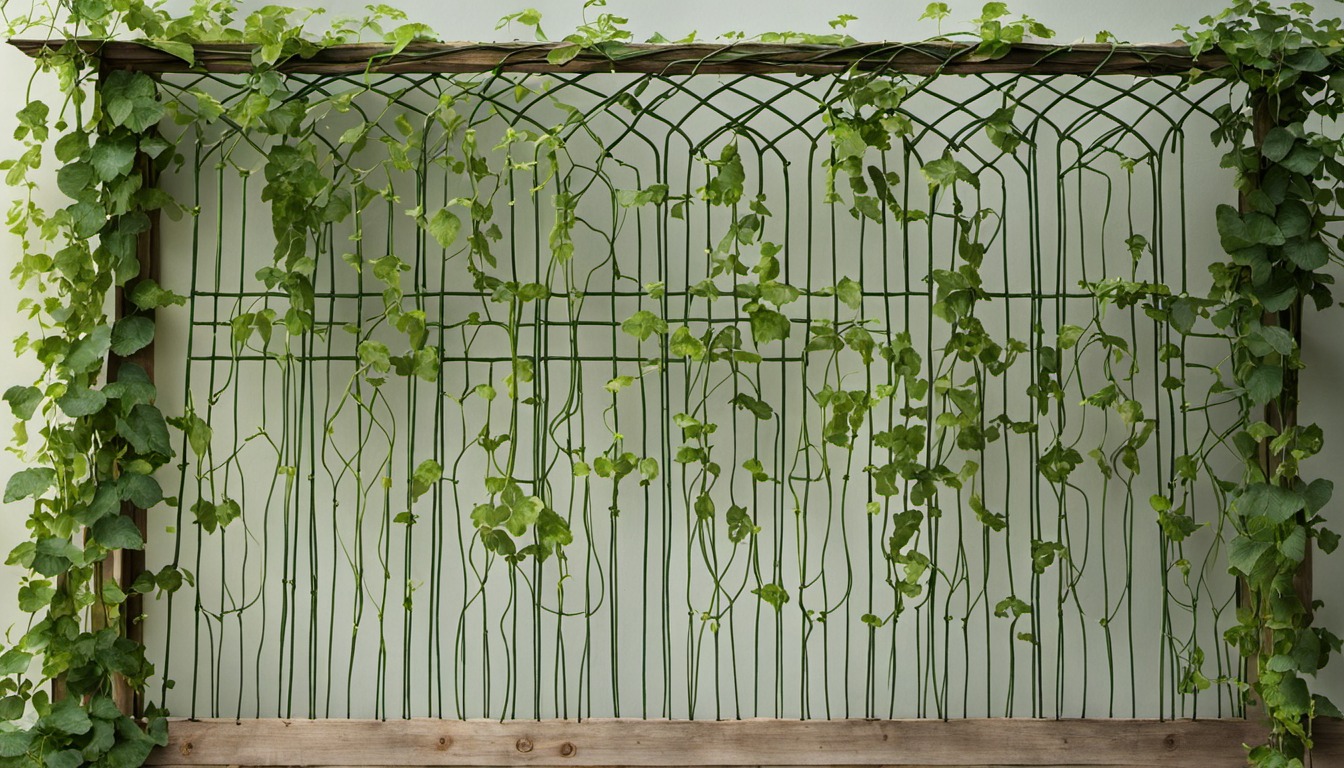
Bush beans occupy a low row, while pole beans need a sturdy trellis and room to climb. Read the packet for plant habit, spacing and expected harvest. Install a support before roots spread and leave a path for picking. Consider where a tall trellis will cast shade on shorter crops as the sun moves through the season.
Use the right local window
Beans are warm-season vegetables. The Maricopa calendar lists different windows for snap, lima and yardlong beans; a higher-elevation gardener has different frost and temperature constraints. Check the exact bean type and seed method in the local chart. A general Arizona date or a hardiness zone cannot substitute for that choice.
Sow in suitable soil
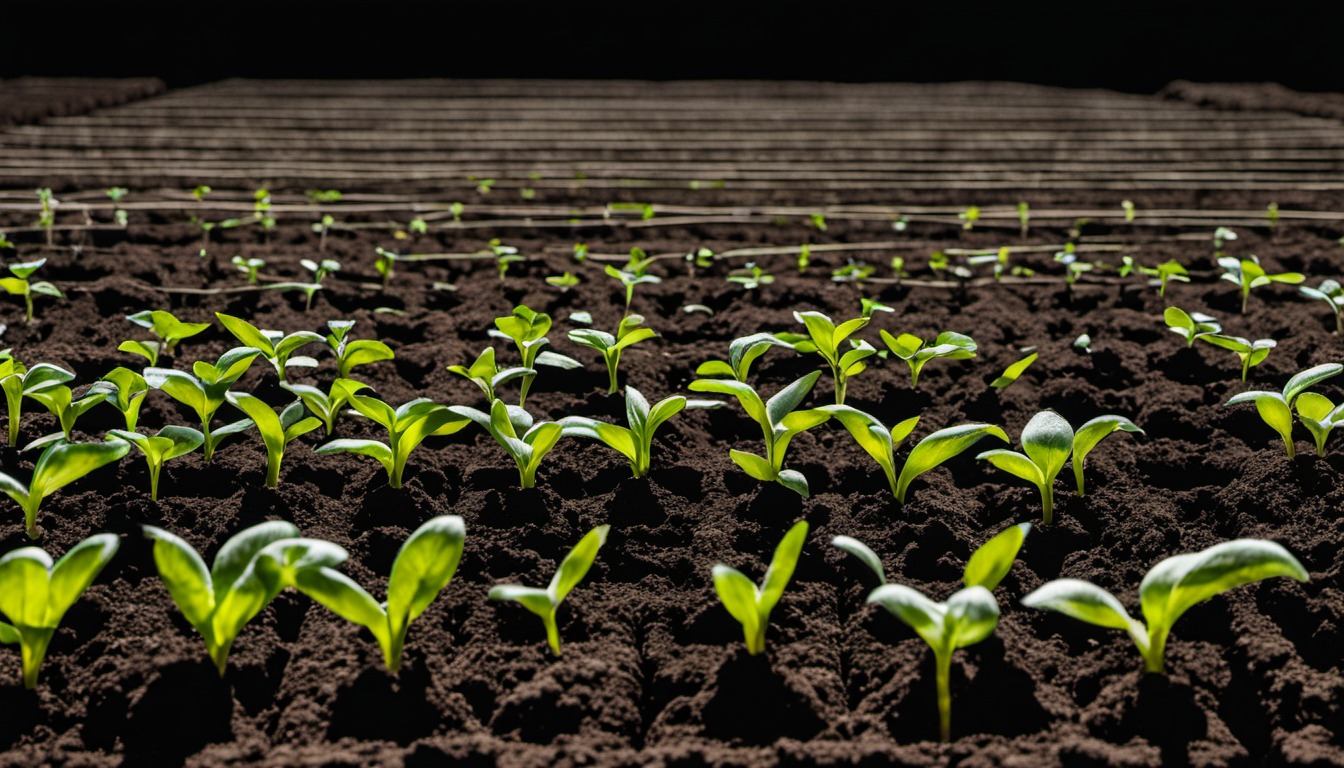
Direct-sow at the packet’s depth when soil is workable and warm enough for the chosen variety. Keep the seed zone moist but not saturated. Mark the row and sowing date, then thin or space plants as instructed. If emergence is uneven, inspect depth, crusting, moisture and temperature before disturbing every seed.
Manage flowers and harvest
Provide consistent root-zone moisture as plants establish and flower. Watch for heat, wind and insects, but identify the cause of damage before treating. Pick snap beans regularly at the desired tender stage so oversized pods do not hide in the foliage. Use two hands where needed to avoid pulling a climbing stem from its support.
Example: split a packet
If the local recommended window is long enough, divide a small packet between two labeled sowings rather than putting every seed in on one day. Compare emergence, weather and harvest for each row. Keep the second sowing inside the local crop window; succession arithmetic alone cannot tell whether summer heat or an approaching frost will prevent a useful crop.
Reset the bed
When a row finishes, remove spent material and check the space, irrigation line and remaining season. Select a following crop using its own local window. Keep a record of the bean type, sowing and first harvest dates, and whether a trellis was stable. That observation makes the next crop plan more useful than a generic calendar reminder.
Check the trellis before sowing
A trellis supporting a mature pole-bean row catches more wind than a bare frame. Anchor it securely and leave a path before putting seeds in the ground. For bush beans, use the saved vertical space for access rather than crowding another crop into the row’s mature footprint.